
 EN
EN
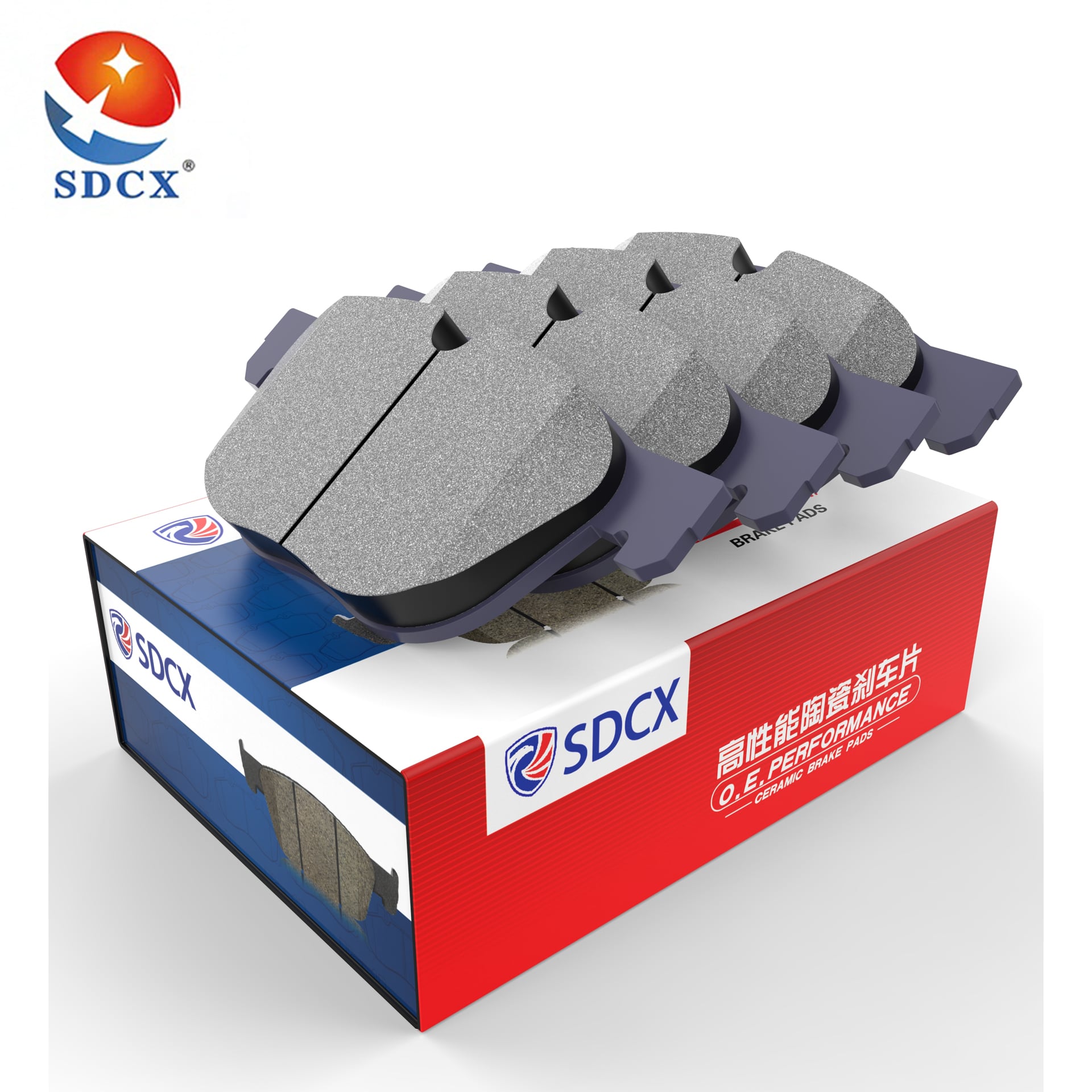
The performance of automotive braking systems depends on numerous interconnected components working in harmony to deliver consistent, reliable stopping power. Among these critical components, the backing plate serves as the foundation that determines how effectively brake pads transfer kinetic energy into heat while maintaining structural integrity. Understanding how backing plate rigidity influences brake pad stability during high load conditions is essential for automotive professionals, fleet managers, and performance enthusiasts who demand optimal braking performance under demanding circumstances.
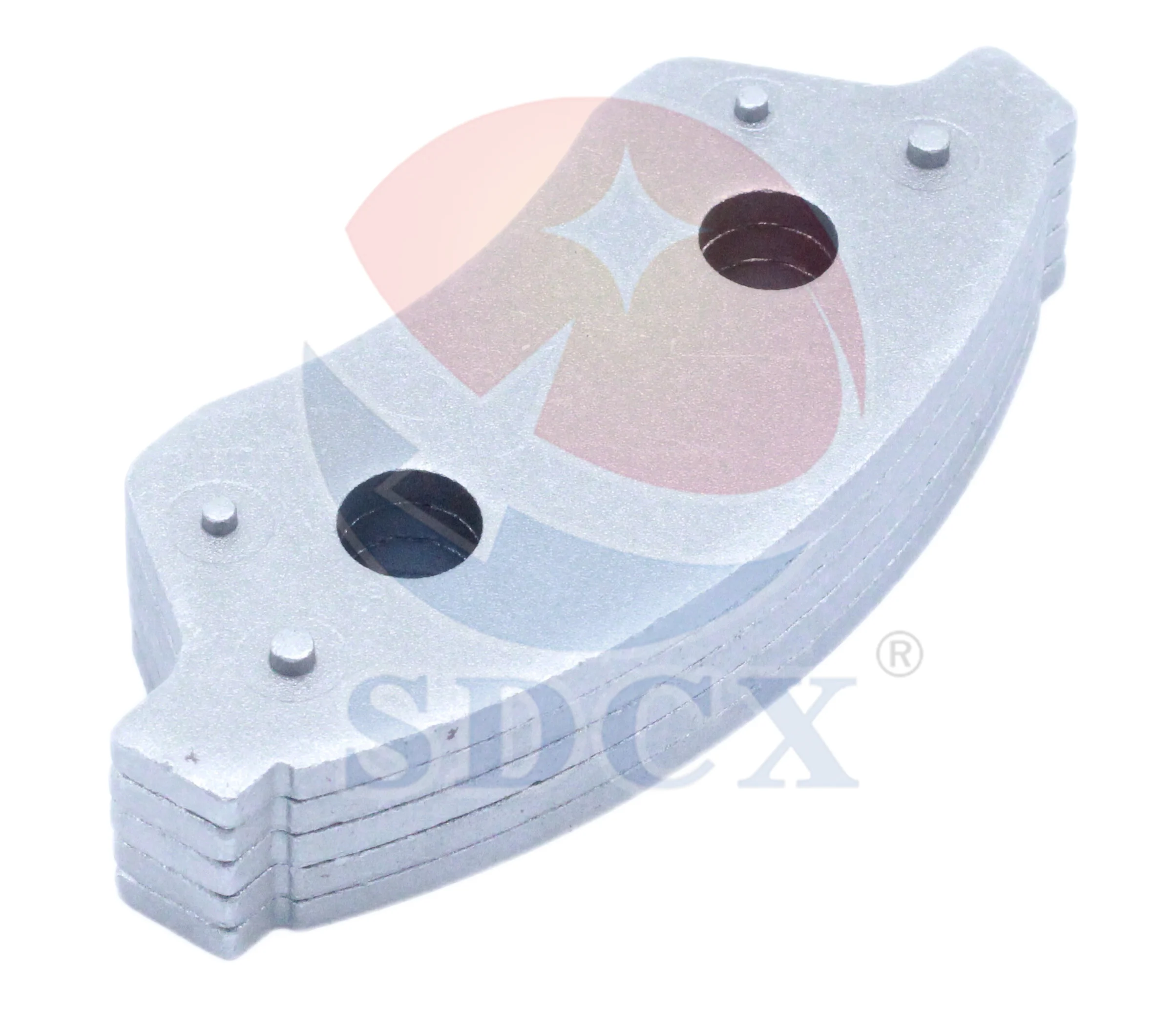
When vehicles encounter high load scenarios such as emergency braking, repeated heavy stops, or sustained downhill descents, the forces acting on brake components multiply exponentially. The backing plate must withstand these extreme conditions while providing unwavering support to the friction material. A rigid backing plate ensures that brake pads maintain proper contact with the rotor surface, preventing uneven wear patterns and maintaining consistent friction coefficients throughout the braking event.
The relationship between backing plate rigidity and brake pad stability becomes particularly crucial in commercial applications where vehicles regularly operate under maximum loading conditions. Heavy-duty trucks, construction equipment, and high-performance vehicles all rely on backing plates engineered to specific rigidity standards that complement their operational requirements. Without adequate rigidity, backing plates can flex under load, causing brake pads to lose optimal contact geometry and reducing overall braking effectiveness.
Material Science Behind Backing Plate Construction
Steel Composition and Metallurgical Properties
Modern backing plate manufacturing utilizes advanced steel alloys specifically formulated to provide optimal rigidity while maintaining reasonable weight characteristics. The carbon content, grain structure, and heat treatment processes all contribute to the final rigidity properties that determine how well a backing plate performs under stress. High-carbon steel compositions typically offer superior rigidity compared to mild steel alternatives, though they require precise heat treatment to avoid brittleness that could lead to catastrophic failure during extreme braking events.
The metallurgical structure of a backing plate directly influences its ability to resist deformation under the tremendous forces generated during heavy braking. When brake pads engage with rotors under high load conditions, the backing plate experiences both compressive forces from the caliper piston and tensile stresses from the friction material bond. A properly engineered backing plate with optimal rigidity distributes these forces evenly, preventing localized stress concentrations that could compromise brake pad integrity.
Thickness Optimization for Maximum Rigidity
The thickness of a backing plate plays a fundamental role in determining its overall rigidity characteristics. Engineering teams must carefully balance thickness requirements against weight considerations and manufacturing costs. Thicker backing plates generally provide increased rigidity, but excessive thickness can lead to thermal management challenges and increased unsprung weight that affects vehicle handling dynamics. The optimal thickness varies depending on the specific application, with heavy-duty commercial vehicles requiring significantly thicker backing plates than passenger car applications.
Advanced finite element analysis techniques allow manufacturers to optimize backing plate thickness distribution across the component's surface area. This approach enables engineers to increase thickness in high-stress regions while maintaining reasonable material usage in areas experiencing lower loads. The resulting backing plate designs achieve maximum rigidity where needed most while avoiding unnecessary weight penalties that could impact fuel economy or vehicle performance.
Impact of Rigidity on Brake Pad Performance Characteristics
Heat Dissipation and Thermal Stability
A rigid backing plate contributes significantly to effective heat dissipation during high load braking events. When backing plates maintain their structural integrity under extreme conditions, they facilitate consistent heat transfer pathways from the friction material to the surrounding brake system components. This thermal stability prevents hot spots that could lead to uneven friction material wear or degraded braking performance. The backing plate acts as a thermal bridge, conducting heat away from the friction interface and distributing it across a larger surface area for more effective cooling.
Temperature management becomes critical during sustained high load operations where brake systems must dissipate enormous amounts of thermal energy. A rigid backing plate maintains consistent dimensional stability even as temperatures rise, ensuring that brake pads continue to operate within their optimal temperature range. Without adequate rigidity, backing plates may warp or distort under thermal stress, creating air gaps that impede heat transfer and lead to accelerated friction material degradation.
Pressure Distribution and Contact Uniformity
The rigidity of a backing plate directly influences how evenly brake pad pressure distributes across the rotor surface during braking events. A flexible or insufficiently rigid backing plate may bow under hydraulic pressure, concentrating contact forces at the center of the brake pad while reducing pressure at the edges. This uneven pressure distribution leads to irregular wear patterns, reduced friction effectiveness, and shortened brake pad service life.
Proper backing plate rigidity ensures that brake pads maintain parallel alignment with rotor surfaces throughout the entire range of operating conditions. This parallel contact maximizes the effective friction area and promotes even wear characteristics that extend brake pad longevity. During high load scenarios, rigid backing plates prevent the edge lifting and center loading phenomena that can dramatically reduce braking effectiveness and create dangerous fade conditions.
Testing Standards and Performance Validation
Industry Testing Protocols for Rigidity Assessment
Automotive industry standards establish specific testing protocols for evaluating backing plate rigidity under simulated operating conditions. These standardized tests subject backing plates to controlled loads while measuring deflection characteristics using precision measurement equipment. The SAE J2430 standard outlines detailed procedures for assessing brake pad backing plate performance, including rigidity requirements that must be met for various vehicle classifications and operating conditions.
Laboratory testing equipment applies calibrated forces to backing plates while monitoring dimensional changes using laser interferometry or strain gauge technology. These measurements provide quantitative data about how different backing plate designs respond to the forces encountered during actual vehicle operation. Testing protocols simulate both steady-state loads and cyclic loading patterns that represent real-world braking scenarios, ensuring that backing plate rigidity remains consistent throughout the expected service life.
Real-World Performance Validation Methods
Beyond laboratory testing, backing plate rigidity validation requires extensive real-world testing under actual operating conditions. Dynamometer testing facilities subject complete brake systems to controlled thermal and mechanical loads while monitoring backing plate performance using embedded sensors and high-speed imaging systems. These tests reveal how backing plate rigidity affects brake pad behavior during extreme conditions that may not be fully captured in static laboratory assessments.
Field testing programs involve installing instrumented brake systems in representative vehicles that operate under the intended service conditions. Data logging systems monitor backing plate deflection, brake pad wear patterns, and thermal characteristics throughout extended testing periods. This comprehensive approach validates that laboratory predictions accurately reflect real-world performance and ensures that backing plate rigidity specifications meet the demanding requirements of high load applications.
Optimizing Backing Plate Design for Specific Applications
Commercial Vehicle Requirements
Commercial vehicles present unique challenges for backing plate design due to their heavy loading conditions and extended duty cycles. These applications require backing plates with exceptional rigidity to maintain brake pad stability during repeated high load stops. The backing plate must withstand the enormous forces generated when fully loaded commercial vehicles brake from highway speeds while maintaining dimensional stability throughout thousands of braking cycles.
Fleet operators depend on consistent brake pad performance to maintain vehicle safety and minimize maintenance costs. A rigid backing plate contributes to predictable brake pad wear patterns and extended service intervals, reducing the total cost of ownership for commercial vehicle operators. The investment in higher rigidity backing plates pays dividends through improved safety margins and reduced brake system maintenance requirements over the vehicle's operational lifetime.
Performance Vehicle Considerations
High-performance vehicles demand backing plates engineered to withstand the extreme loads generated during aggressive driving scenarios. Track events, autocross competitions, and spirited driving create braking loads that far exceed typical passenger car requirements. The backing plate must maintain rigid support for brake pads while repeatedly cycling through extreme temperature ranges without losing dimensional accuracy or structural integrity.
Performance applications often prioritize backing plate rigidity over weight considerations, accepting the mass penalty in exchange for consistent brake pad behavior during demanding conditions. Advanced backing plate designs for performance vehicles may incorporate additional ribbing or reinforcement structures that increase rigidity while managing the thermal expansion characteristics that could affect brake pad alignment during extended high-temperature operation.
Maintenance and Service Considerations
Inspection Techniques for Backing Plate Assessment
Regular inspection of backing plate condition is essential for maintaining optimal brake system performance. Visual inspection techniques can identify obvious signs of backing plate distortion, including warping, cracking, or permanent deformation that indicates compromised rigidity. Service technicians should examine backing plates for evidence of overheating, corrosion, or mechanical damage that could affect their ability to provide stable support for brake pads during high load conditions.
Advanced inspection techniques utilize precision measurement tools to assess backing plate flatness and dimensional accuracy. Dial indicators and surface plates can detect subtle deformation that may not be visible during casual inspection but could significantly impact brake pad performance. Professional brake service facilities may employ specialized fixtures that hold backing plates while measurements are taken at multiple reference points to ensure they meet original specifications.
Replacement Criteria and Quality Standards
Determining when to replace a backing plate requires careful assessment of its current condition relative to performance requirements. Backing plates showing signs of permanent deformation, excessive wear, or thermal damage should be replaced to maintain brake system integrity. The rigidity of a damaged backing plate cannot be restored through repair procedures, making replacement the only acceptable solution for maintaining safe braking performance.
Quality replacement backing plates must meet or exceed original equipment specifications for rigidity and dimensional accuracy. Aftermarket backing plates should undergo the same rigorous testing protocols used for original equipment to ensure they provide equivalent performance under high load conditions. Service professionals should verify that replacement backing plates carry appropriate certifications and comply with relevant industry standards before installation in critical braking applications.
Future Developments in Backing Plate Technology
Advanced Material Systems
Emerging material technologies promise to deliver backing plates with enhanced rigidity characteristics while reducing overall weight. Carbon fiber composite materials and advanced metal matrix composites offer the potential for significant improvements in strength-to-weight ratios compared to conventional steel construction. These advanced materials could enable backing plate designs that provide superior rigidity without the mass penalties associated with current high-performance applications.
Nanotechnology applications in backing plate manufacturing may yield materials with unprecedented rigidity and thermal stability characteristics. Surface treatments and coating technologies continue to evolve, offering possibilities for backing plates that resist deformation while providing enhanced corrosion protection and thermal management capabilities. These technological advances will enable future backing plate designs that exceed current performance standards while meeting increasingly stringent environmental and efficiency requirements.
Manufacturing Process Innovations
Advanced manufacturing processes including additive manufacturing and precision forming techniques enable backing plate designs that were previously impossible to produce using conventional methods. Three-dimensional printing technologies allow engineers to create backing plates with complex internal structures that optimize rigidity while minimizing material usage. These manufacturing innovations open new possibilities for backing plate designs tailored to specific application requirements.
Computer-controlled forming processes ensure consistent backing plate dimensions and material properties across production runs. Quality control systems integrated into manufacturing lines monitor backing plate rigidity characteristics in real-time, identifying variations before they impact brake pad performance. These manufacturing advances contribute to improved consistency and reliability in backing plate performance across diverse operating conditions.
FAQ
What happens when a backing plate lacks sufficient rigidity
When a backing plate lacks adequate rigidity, it can flex or deform under braking loads, causing uneven pressure distribution across the brake pad surface. This leads to irregular wear patterns, reduced braking effectiveness, and potential brake fade during high load conditions. The backing plate may also allow brake pads to shift position, creating vibration and noise while compromising overall stopping performance.
How can I determine if my backing plate has adequate rigidity
Signs of inadequate backing plate rigidity include uneven brake pad wear patterns, brake pedal vibration, squealing or grinding noises during braking, and reduced stopping effectiveness under heavy loads. Professional inspection using precision measurement tools can assess backing plate flatness and dimensional accuracy. Any visible warping, cracking, or deformation indicates compromised rigidity that requires replacement.
Do different vehicle types require different backing plate rigidity levels
Yes, different vehicle applications require backing plates engineered for their specific operating conditions. Heavy commercial vehicles need backing plates with higher rigidity to handle greater loads and more frequent braking cycles. Performance vehicles require rigid backing plates to maintain brake pad stability during aggressive driving. Passenger cars typically use backing plates optimized for normal driving conditions while considering weight and cost factors.
Can backing plate rigidity affect brake pad lifespan
Proper backing plate rigidity directly contributes to extended brake pad lifespan by ensuring even pressure distribution and consistent contact with rotor surfaces. Rigid backing plates prevent uneven wear patterns that can prematurely consume friction material in localized areas. This uniform wear characteristic maximizes the usable life of brake pad friction material and maintains consistent braking performance throughout the service interval.
Table of Contents
- Material Science Behind Backing Plate Construction
- Impact of Rigidity on Brake Pad Performance Characteristics
- Testing Standards and Performance Validation
- Optimizing Backing Plate Design for Specific Applications
- Maintenance and Service Considerations
- Future Developments in Backing Plate Technology
- FAQ