
 EN
EN
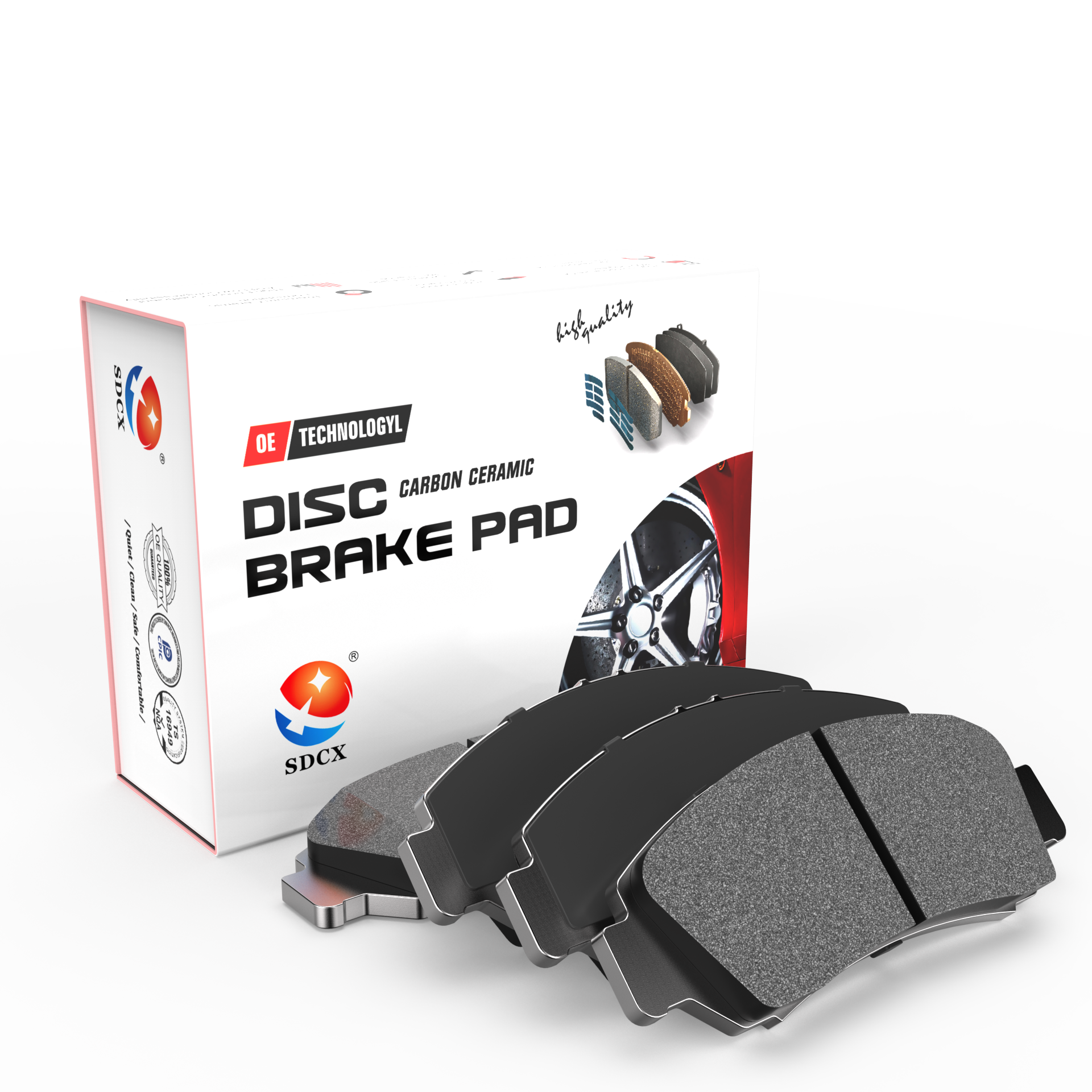
Uneven wear patterns in automotive brake pads represent one of the most critical safety concerns in vehicle maintenance, potentially leading to catastrophic operational failures and compromised braking performance. When automotive brake pads wear unevenly, the resulting operational risks extend far beyond simple component replacement needs, affecting vehicle stability, driver safety, and overall operational costs. Understanding these risks becomes essential for fleet managers, automotive technicians, and vehicle owners who prioritize safety and operational efficiency. The consequences of neglecting uneven brake pad wear can manifest in multiple ways, from reduced stopping power to complete brake system failure, making proactive monitoring and maintenance crucial for safe vehicle operation.
Understanding Uneven Wear Patterns in Brake Systems
Common Causes of Uneven Brake Pad Deterioration
Uneven wear in automotive brake pads typically results from multiple interconnected factors that affect the uniform distribution of braking forces across the pad surface. Caliper misalignment represents one of the primary causes, where improper positioning creates unequal pressure distribution during braking events. When calipers fail to apply consistent pressure across the entire pad surface, certain areas experience excessive wear while others remain relatively untouched. This misalignment often stems from worn caliper mounting hardware, damaged caliper slides, or improper installation procedures that compromise the system's geometric integrity.
Rotor irregularities also contribute significantly to uneven automotive brake pads wear patterns, particularly when rotor surfaces exhibit warping, scoring, or thickness variations. These surface imperfections create inconsistent contact patterns between the pad and rotor, concentrating wear forces in specific areas rather than distributing them evenly. Additionally, contamination from brake fluid leaks, oil deposits, or road debris can create localized wear patterns that accelerate deterioration in affected areas while leaving other portions of the pad relatively intact.
Impact of Driving Conditions on Wear Patterns
Environmental and operational factors play crucial roles in determining how automotive brake pads wear over time, with certain conditions promoting uneven deterioration patterns. Stop-and-go traffic conditions create repetitive heating and cooling cycles that can lead to thermal stress concentrations, particularly when combined with aggressive braking habits. Mountain driving or frequent towing operations subject brake systems to sustained high-temperature conditions that can cause localized pad material breakdown and uneven wear distribution across the friction surface.
Vehicle loading patterns also influence wear characteristics, as uneven weight distribution affects how braking forces transfer through the suspension system to the brake components. Consistently carrying heavy loads on one side of the vehicle or operating with improper tire pressures can create asymmetric braking forces that manifest as uneven pad wear over extended periods. These operational factors compound over time, creating progressively worsening wear patterns that ultimately compromise braking effectiveness and safety.
Safety Risks and Performance Degradation
Reduced Braking Effectiveness and Stopping Distance
When automotive brake pads exhibit uneven wear patterns, the immediate consequence involves reduced overall braking effectiveness that directly impacts vehicle stopping distances. Uneven pad surfaces create inconsistent contact with the rotor, reducing the total friction area available for energy dissipation during braking events. This reduction in effective contact area translates to longer stopping distances, particularly under emergency braking conditions where maximum friction generation becomes critical for accident avoidance.
The performance degradation becomes more pronounced as wear patterns worsen, with severely uneven pads potentially losing 30-40% of their braking effectiveness compared to properly worn components. This reduction in braking capacity creates dangerous situations where drivers may experience unexpected increases in stopping distances, particularly when transitioning between different driving conditions or load scenarios. The unpredictable nature of this performance loss makes it especially hazardous, as drivers may not immediately recognize the degraded braking capability until faced with emergency situations.
Vehicle Stability and Control Issues
Uneven wear in automotive brake pads creates significant vehicle stability concerns that affect steering control and directional stability during braking events. When pad wear varies between wheels or across individual pad surfaces, the resulting brake force imbalance causes the vehicle to pull to one side during braking, requiring constant steering corrections to maintain straight-line travel. This pulling effect becomes more pronounced under heavy braking conditions, potentially overwhelming driver inputs and leading to loss of vehicle control.
The stability issues extend beyond simple directional pulling, as uneven brake forces can induce chassis vibrations that compromise driver control and passenger comfort. These vibrations typically manifest as pedal pulsation, steering wheel shake, or general vehicle trembling during braking events, all of which interfere with precise vehicle control. In extreme cases, severe pad wear imbalances can trigger electronic stability control systems or anti-lock braking interventions at inappropriate times, creating unpredictable vehicle behavior that challenges even experienced drivers.
Mechanical System Failures and Component Damage
Rotor Damage and Heat-Related Issues
Uneven automotive brake pads create concentrated heat generation patterns that can cause severe rotor damage, including warping, cracking, and surface hardening that requires costly component replacement. When pad wear creates high spots or concentrated contact areas, these regions generate excessive heat during braking events, creating thermal stress concentrations that exceed the rotor material's design limits. The resulting thermal distortion manifests as rotor warping, which further exacerbates uneven pad wear and creates a self-perpetuating cycle of component degradation.
Heat-related rotor damage extends beyond simple warping to include metallurgical changes in the rotor surface material that affect its friction characteristics and longevity. Excessive temperatures can cause the formation of hard spots or glazed surfaces that reduce friction effectiveness and accelerate pad wear rates. These thermal effects often require complete rotor replacement rather than simple resurfacing, significantly increasing maintenance costs and system downtime compared to normal wear scenarios.
Caliper and Hydraulic System Complications
The operational stresses created by unevenly worn automotive brake pads can lead to premature caliper failure and hydraulic system complications that compromise overall brake system integrity. When pad wear creates uneven braking forces, calipers must work harder to maintain adequate braking performance, leading to increased hydraulic pressures and accelerated wear of seals, pistons, and other internal components. This additional stress can cause caliper seizure, fluid leaks, or complete hydraulic failure that renders the affected brake circuit inoperative.
Hydraulic system complications arising from uneven pad wear often manifest as brake fluid contamination, seal deterioration, and pressure imbalances that affect the entire brake circuit. The increased operating temperatures generated by uneven pad contact can cause brake fluid to break down more rapidly, leading to reduced boiling points and potential vapor lock conditions. These hydraulic issues require comprehensive system servicing that goes far beyond simple pad replacement, involving fluid changes, seal replacement, and complete system bleeding procedures.
Economic Impact and Maintenance Cost Escalation
Increased Component Replacement Frequency
Uneven wear patterns in automotive brake pads create a cascade effect that accelerates the replacement frequency of multiple brake system components, significantly increasing overall maintenance costs. When pads wear unevenly, they typically require replacement much earlier than their intended service life, reducing the cost-effectiveness of the original investment. More critically, the uneven wear often necessitates simultaneous replacement of rotors, which would otherwise be serviceable through simple resurfacing procedures under normal wear conditions.
The economic impact extends beyond immediate component costs to include increased labor expenses associated with more complex repair procedures. Addressing uneven pad wear often requires comprehensive brake system inspection and correction of underlying causes, such as caliper alignment, suspension component replacement, or hydraulic system servicing. These additional procedures can triple or quadruple the cost of routine brake maintenance, creating significant budgetary impacts for fleet operators and individual vehicle owners alike.
Operational Downtime and Safety Compliance Costs
For commercial vehicle operators, uneven automotive brake pads wear creates operational downtime that directly impacts revenue generation and service delivery capabilities. Emergency brake repairs necessitated by uneven wear typically occur without advance planning, forcing vehicles out of service during critical operational periods. This unscheduled downtime proves particularly costly for time-sensitive operations such as delivery services, emergency response vehicles, or passenger transportation services where vehicle availability directly correlates with revenue generation.
Safety compliance costs represent another significant economic factor, particularly for commercial operators subject to Department of Transportation regulations or industry-specific safety requirements. Vehicles with compromised brake systems may fail safety inspections, requiring immediate corrective action before returning to service. These compliance failures can result in fines, operating permit suspensions, and increased insurance costs that compound the direct maintenance expenses associated with uneven brake pad wear.
Detection and Monitoring Strategies
Visual Inspection Techniques and Warning Signs
Early detection of uneven automotive brake pads wear requires systematic visual inspection techniques that identify warning signs before they escalate into safety hazards or costly repairs. Professional technicians should examine pad thickness across the entire surface area, looking for variations that exceed manufacturer specifications or industry standards. Uneven wear typically manifests as wedge-shaped pad profiles, localized thin spots, or irregular surface textures that indicate improper contact patterns with the rotor surface.
Warning signs of uneven pad wear extend beyond simple thickness measurements to include surface condition indicators such as glazing, cracking, or embedded debris that suggests problematic operating conditions. Discoloration patterns on pad surfaces often reveal heat concentration areas that indicate uneven force distribution, while unusual wear patterns on the rotor surface provide complementary evidence of system irregularities. Regular documentation of these visual indicators enables trend analysis that can predict component failure timing and optimize replacement scheduling.
Performance Monitoring and Diagnostic Tools
Modern diagnostic approaches for monitoring automotive brake pads wear utilize advanced measurement tools and performance monitoring systems that provide quantitative data on brake system health. Brake dynamometer testing can reveal performance characteristics that indicate uneven pad wear, such as reduced maximum braking force, inconsistent friction coefficients, or unusual temperature distribution patterns during standardized test procedures. These diagnostic tools provide objective measurements that complement visual inspection techniques and enable more accurate assessment of system condition.
Vehicle-based monitoring systems, including telematics platforms and onboard diagnostics, can track braking performance parameters that indicate developing uneven wear conditions. Parameters such as brake application frequency, duration, and intensity provide insights into operating conditions that promote uneven wear, while performance metrics like stopping distance variations or pedal travel changes can indicate deteriorating system effectiveness. Integration of these monitoring approaches enables proactive maintenance scheduling that addresses uneven wear before it creates safety hazards or expensive component damage.
Prevention and Maintenance Best Practices
Regular Inspection and Service Intervals
Preventing uneven wear in automotive brake pads requires establishment of regular inspection intervals that enable early detection and correction of conditions that promote irregular wear patterns. Professional brake system inspections should occur at manufacturer-recommended intervals, typically every 12,000 to 15,000 miles for most passenger vehicles, with more frequent inspections for commercial or heavy-duty applications. These inspections must include comprehensive evaluation of pad thickness, rotor condition, caliper operation, and hydraulic system integrity to identify potential issues before they cause uneven wear.
Service interval optimization depends on operating conditions, with severe-duty applications requiring more frequent inspection and maintenance schedules. Vehicles operating in mountainous terrain, stop-and-go traffic, or towing applications may require inspection intervals reduced by 30-50% compared to standard recommendations. Documentation of inspection results enables trend analysis that can predict component replacement timing and optimize maintenance scheduling to prevent uneven wear development.
Proper Installation and Alignment Procedures
Correct installation procedures for automotive brake pads play a crucial role in preventing uneven wear patterns that can compromise system performance and safety. Installation must include verification of caliper alignment, proper lubrication of slide pins and contact surfaces, and confirmation of appropriate pad-to-rotor clearances that ensure uniform contact distribution. Torque specifications for caliper mounting hardware and brake line connections must be strictly observed to maintain geometric relationships that promote even pad wear patterns.
Alignment procedures extend beyond simple component installation to include verification of suspension geometry, wheel alignment parameters, and tire condition that affect brake system loading patterns. Improper wheel alignment or worn suspension components can create asymmetric forces that manifest as uneven brake pad wear over time. Comprehensive installation procedures should address these related systems to ensure optimal brake system performance and component longevity, preventing the operational risks associated with uneven pad wear patterns.
FAQ
How quickly can uneven brake pad wear develop into a safety hazard?
Uneven brake pad wear can progress from minor irregularities to significant safety hazards within 5,000 to 10,000 miles under severe operating conditions. The progression rate depends heavily on driving habits, environmental factors, and the underlying cause of the uneven wear. Aggressive braking, frequent towing, or mountain driving can accelerate this timeline significantly, while highway driving under normal conditions may allow for slower progression. Regular inspection every 3,000 to 5,000 miles becomes critical for early detection and prevention of safety-compromising wear patterns.
What are the typical cost implications of ignoring uneven brake pad wear?
Ignoring uneven brake pad wear typically results in repair costs that are 3 to 5 times higher than addressing the issue early. While routine brake pad replacement might cost $150-300 per axle, allowing uneven wear to progress often necessitates rotor replacement ($200-400 per axle), caliper service ($100-200 per wheel), and potential suspension work ($300-800). Emergency repairs due to brake failure can exceed $1,500 per vehicle and may include towing costs, rental vehicle expenses, and potential liability issues related to accidents.
Can uneven brake pad wear cause complete brake system failure?
Yes, severe uneven brake pad wear can lead to complete brake system failure through multiple mechanisms. Extremely uneven wear can cause complete pad separation from the backing plate, resulting in metal-to-metal contact that may damage brake lines or cause hydraulic system failure. Additionally, the excessive heat generation from uneven wear can cause brake fluid boiling, leading to vapor lock and complete loss of hydraulic pressure. These failure modes can occur suddenly and without warning, making prevention through regular inspection and maintenance absolutely critical.
How do I identify uneven brake pad wear before it becomes dangerous?
Early identification of uneven brake pad wear involves monitoring several key indicators including unusual noises during braking, vehicle pulling to one side, pedal pulsation or vibration, and changes in braking effectiveness. Visual inspection should reveal thickness variations across the pad surface, unusual wear patterns, or localized damage areas. Professional inspection using proper measuring tools can detect thickness variations as small as 1-2mm, which may not be apparent during casual visual examination but can indicate developing problems that require attention.