
 EN
EN
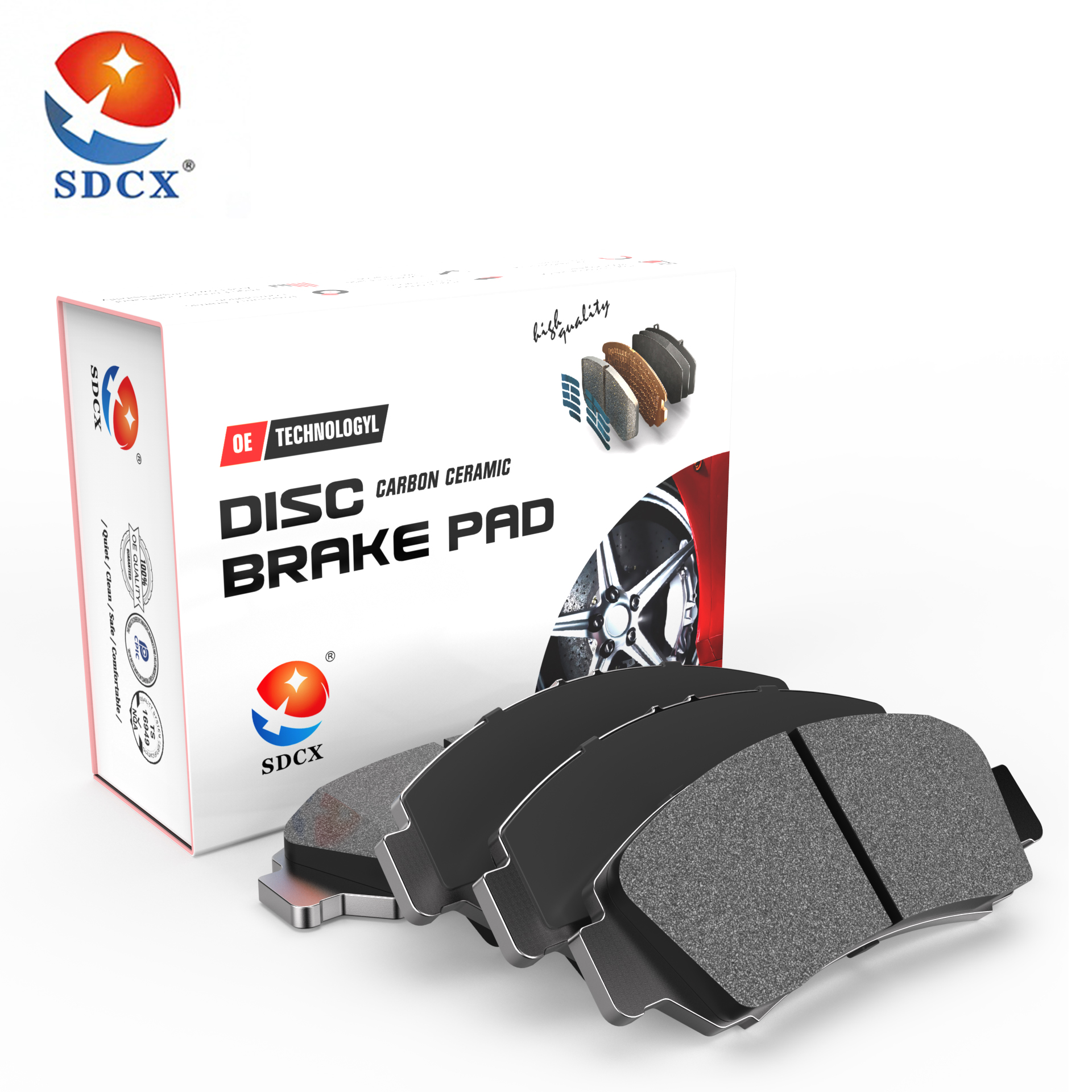
The quality of automotive brake pads plays a crucial role in determining how frequently vehicle owners need to perform maintenance on their braking systems. High-quality automotive brake pads not only provide superior stopping power but also significantly reduce the need for frequent replacements and associated maintenance tasks. Understanding the relationship between brake pad quality and maintenance intervals can help drivers make informed decisions that save both time and money while ensuring optimal vehicle safety.
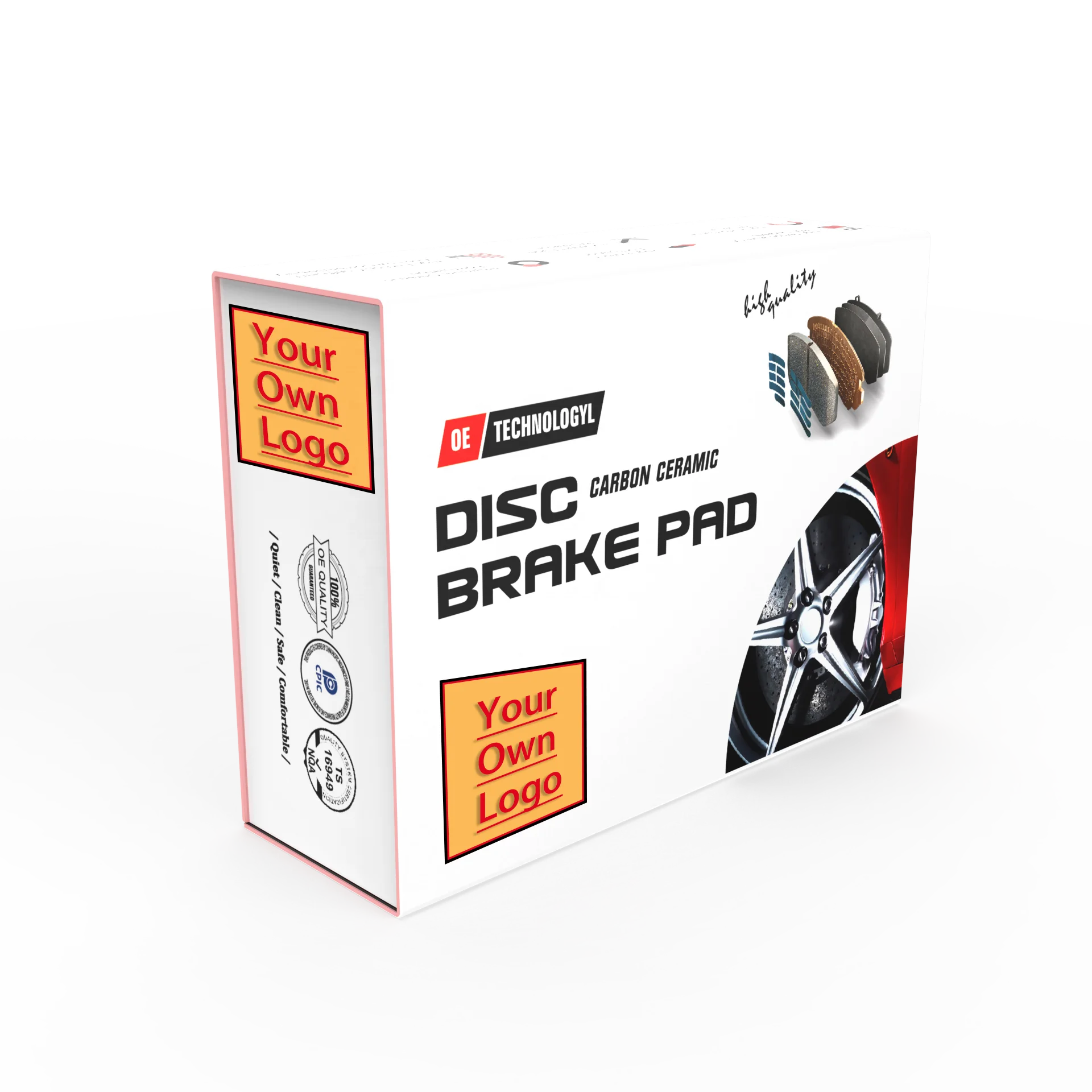
Premium automotive brake pads are manufactured using advanced materials and precise engineering processes that directly impact their longevity and performance characteristics. The composition of friction materials, backing plate construction, and heat dissipation capabilities all contribute to how long these components will last under various driving conditions. When vehicle owners invest in superior automotive brake pads, they typically experience extended service intervals between replacements, which translates to reduced maintenance frequency and lower overall ownership costs.
Material Composition and Durability Factors
Advanced Friction Material Technologies
Modern automotive brake pads utilize sophisticated friction materials that are engineered to withstand extreme temperatures and pressures while maintaining consistent performance over extended periods. Ceramic-based formulations, semi-metallic compounds, and organic materials each offer distinct advantages in terms of durability and wear characteristics. Premium automotive brake pads often incorporate multiple friction material layers that work together to provide optimal performance throughout their service life, reducing the need for frequent maintenance interventions.
The friction coefficient stability of high-quality automotive brake pads remains consistent across a wide range of operating temperatures, which prevents premature wear and extends the time between maintenance cycles. Advanced materials also resist fade and glazing, common issues that can force earlier replacement of inferior brake pads. This stability directly correlates to maintenance frequency, as consistent performance means fewer unexpected failures and more predictable service intervals.
Heat Management and Thermal Stability
Superior automotive brake pads are designed with enhanced heat dissipation capabilities that prevent thermal damage to both the pads themselves and surrounding brake components. Effective heat management reduces the thermal stress on brake rotors, calipers, and brake fluid, which in turn decreases the frequency of maintenance required for these associated components. The ability to manage heat effectively also prevents the formation of hot spots and warping that can lead to premature component failure.
Thermal stability in automotive brake pads is achieved through carefully selected materials and design features such as chamfers, slots, and specialized backing plate coatings. These elements work together to maintain optimal operating temperatures even under severe braking conditions, extending the service life of the entire braking system and reducing maintenance requirements across all components.
Wear Patterns and Service Life Extension
Uniform Wear Distribution
High-quality automotive brake pads are engineered to wear evenly across their surface area, which maximizes their useful life and maintains consistent braking performance throughout their service period. Even wear patterns prevent the development of uneven contact surfaces that can cause vibration, noise, and accelerated wear of brake rotors. When automotive brake pads wear uniformly, maintenance intervals become more predictable and less frequent.
The precision manufacturing processes used in premium automotive brake pads ensure that material density and composition remain consistent throughout the pad structure. This consistency promotes uniform wear patterns that extend service life and reduce the likelihood of unexpected failures that would require immediate maintenance attention. Predictable wear patterns also allow for more accurate scheduling of maintenance activities, improving overall vehicle reliability.
Rotor Compatibility and Protection
Quality automotive brake pads are designed to be compatible with brake rotors while providing protective benefits that extend rotor life. The friction materials used in premium pads are formulated to minimize aggressive wear on rotor surfaces, which reduces the frequency of rotor replacement and associated maintenance procedures. This compatibility factor is crucial for maintaining optimal braking system performance over extended periods.
Protective characteristics of superior automotive brake pads include controlled abrasiveness levels that remove minor surface imperfections from rotors while avoiding excessive material removal. This cleaning action helps maintain smooth rotor surfaces that contribute to consistent braking performance and reduced maintenance requirements throughout the brake system's operational life.
Performance Consistency and Maintenance Predictability
Fade Resistance and Reliability
Premium automotive brake pads demonstrate superior fade resistance, maintaining their stopping power even under demanding conditions such as repeated heavy braking or mountain driving. This consistent performance characteristic reduces the need for frequent inspections and adjustments that are often required with lower-quality alternatives. Fade resistance directly impacts maintenance frequency by ensuring that brake performance remains stable throughout the pad's service life.
The reliability of high-quality automotive brake pads extends beyond just stopping power to include consistent pedal feel, noise levels, and overall system behavior. This predictability allows drivers and technicians to better anticipate maintenance needs and plan service intervals more effectively, reducing the occurrence of unexpected brake system issues that require immediate attention.
Noise and Vibration Control
Advanced automotive brake pads incorporate noise-dampening technologies and vibration control features that maintain quiet, smooth operation throughout their service life. These characteristics not only improve driving comfort but also reduce the need for maintenance interventions related to noise complaints or vibration issues. Proper noise control in automotive brake pads indicates healthy system operation and reduces customer concerns that might otherwise prompt unnecessary maintenance visits.
Vibration control in premium automotive brake pads is achieved through precise material formulation and manufacturing tolerances that maintain consistent contact with brake rotors. This consistency prevents the development of pedal pulsation and steering wheel vibration that can indicate system problems, thereby reducing diagnostic time and maintenance frequency associated with these common brake system complaints.
Economic Impact on Maintenance Schedules
Cost-Effectiveness Over Time
While premium automotive brake pads may have higher initial costs, their extended service life and reduced maintenance requirements often result in lower total ownership costs over time. The economic benefits extend beyond just the brake pads themselves to include reduced labor costs, fewer replacement intervals, and decreased wear on associated brake components. This cost-effectiveness makes quality automotive brake pads an intelligent investment for long-term vehicle maintenance planning.
Extended service intervals provided by quality automotive brake pads also reduce vehicle downtime, which is particularly valuable for commercial applications and daily commuters. The predictable performance and longer replacement cycles allow for better maintenance scheduling and reduced disruption to vehicle availability, adding additional economic value to the investment in premium brake components.
Maintenance Planning and Scheduling Benefits
High-quality automotive brake pads enable more accurate maintenance planning due to their predictable wear patterns and consistent performance characteristics. Fleet managers and individual vehicle owners can develop more reliable maintenance schedules when using premium brake components, reducing the need for frequent inspections and unexpected service interruptions. This predictability is valuable for budgeting and operational planning purposes.
The consistent performance of premium automotive brake pads also allows maintenance technicians to focus their attention on other vehicle systems during routine service intervals, improving overall maintenance efficiency and reducing the time required for brake system inspections and adjustments.
FAQ
How much longer do high-quality automotive brake pads last compared to standard options?
Premium automotive brake pads typically last 25-50% longer than standard alternatives, depending on driving conditions and vehicle usage patterns. This extended service life directly translates to reduced maintenance frequency, with many high-quality pads providing 60,000-80,000 miles of service compared to 40,000-50,000 miles for standard options. The exact improvement varies based on material composition, manufacturing quality, and specific application requirements.
Do quality automotive brake pads require different maintenance procedures?
Quality automotive brake pads generally require the same basic maintenance procedures as standard pads, but they typically need attention less frequently due to their superior durability and consistent performance characteristics. However, it's important to follow manufacturer recommendations for inspection intervals and replacement criteria, as premium pads may have different wear indicators or service requirements that should be observed for optimal performance.
Can using premium automotive brake pads reduce maintenance costs for other brake components?
Yes, high-quality automotive brake pads often provide protective benefits for brake rotors, calipers, and other system components, potentially extending their service life and reducing overall maintenance costs. The superior materials and design features in premium pads typically result in less aggressive wear on rotors and more stable brake fluid temperatures, which can reduce the frequency of rotor replacement and brake fluid service requirements.
How can drivers identify when their automotive brake pads need replacement?
Drivers should watch for common indicators such as squealing or grinding noises, increased stopping distances, pedal vibration, or warning lights on the dashboard. Quality automotive brake pads often provide more predictable warning signs and maintain consistent performance closer to their replacement point, making it easier to plan maintenance activities. Regular visual inspections during routine service can also help identify when replacement is approaching, allowing for better maintenance scheduling.
Table of Contents
- Material Composition and Durability Factors
- Wear Patterns and Service Life Extension
- Performance Consistency and Maintenance Predictability
- Economic Impact on Maintenance Schedules
-
FAQ
- How much longer do high-quality automotive brake pads last compared to standard options?
- Do quality automotive brake pads require different maintenance procedures?
- Can using premium automotive brake pads reduce maintenance costs for other brake components?
- How can drivers identify when their automotive brake pads need replacement?