
 EN
EN
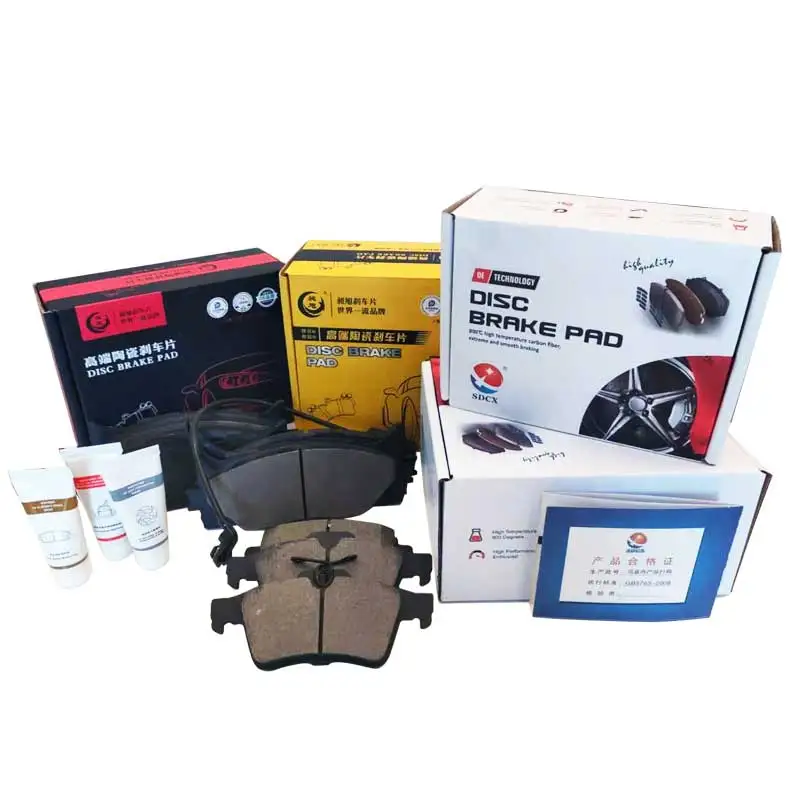
The performance of auto brake pads varies significantly across different driving environments, making material selection and design crucial for optimal vehicle safety. Understanding these factors helps drivers make informed decisions about brake pad replacement and maintenance. Environmental conditions, driving habits, and vehicle specifications all play vital roles in determining how well auto brake pads perform under various circumstances. Modern automotive engineering has developed sophisticated brake pad technologies to address diverse driving challenges, from urban stop-and-go traffic to high-speed highway conditions.
Material Composition and Its Impact on Performance
Ceramic Brake Pad Technology
Ceramic auto brake pads represent the pinnacle of modern brake technology, offering superior performance across multiple driving environments. These advanced compounds utilize ceramic fibers and copper fillers to create exceptional heat dissipation properties. The ceramic composition provides consistent friction characteristics even under extreme temperature variations, making them ideal for both city driving and highway conditions. Unlike traditional materials, ceramic auto brake pads maintain their structural integrity at high temperatures while producing minimal brake dust.
The manufacturing process of ceramic brake pads involves precise temperature control and pressure application to ensure uniform density throughout the pad material. This consistency translates directly to predictable braking performance regardless of environmental factors. Professional automotive technicians often recommend ceramic auto brake pads for vehicles that experience frequent temperature fluctuations or demanding driving conditions. The longevity of ceramic materials also reduces replacement frequency, providing long-term value for vehicle owners.
Semi-Metallic and Organic Compounds
Semi-metallic auto brake pads incorporate steel fibers, iron powder, and copper materials to achieve robust stopping power in heavy-duty applications. These compounds excel in high-temperature environments where maximum friction is required, such as mountain driving or frequent trailer towing. The metallic content provides excellent heat conduction, allowing brake systems to dissipate thermal energy efficiently during extended braking periods. However, semi-metallic auto brake pads may produce more noise and brake dust compared to ceramic alternatives.
Organic brake pad materials utilize natural fibers, rubber, and glass compounds to create environmentally friendly braking solutions. These auto brake pads perform exceptionally well in moderate driving conditions and produce minimal noise during operation. The softer compound composition reduces rotor wear while maintaining adequate stopping power for typical urban and suburban driving patterns. Organic materials work best in environments with consistent temperatures and moderate braking demands.
Environmental Temperature Effects on Brake Performance
Cold Weather Operations
Cold weather significantly impacts auto brake pads performance through material contraction and reduced friction coefficient at startup. When temperatures drop below freezing, brake pad compounds become stiffer, requiring additional pedal pressure to achieve normal stopping distances. Quality auto brake pads incorporate special additives that maintain flexibility in sub-zero conditions, ensuring consistent performance throughout winter months. Ice and snow accumulation on brake components can further complicate braking effectiveness until proper operating temperature is reached.
Modern auto brake pads designed for cold climates feature enhanced thermal properties that accelerate warm-up cycles. These specialized formulations reduce the time required to achieve optimal friction levels after cold starts. Vehicle manufacturers often specify winter-grade brake compounds for regions experiencing extreme cold weather conditions. Regular maintenance becomes especially critical in cold environments to prevent moisture accumulation and corrosion damage.
High Temperature Performance
Extreme heat poses unique challenges for auto brake pads, potentially causing fade, glazing, and premature wear. Desert driving conditions and mountainous terrain create sustained high-temperature environments that test brake pad thermal limits. Premium auto brake pads incorporate heat-resistant compounds that maintain stable friction coefficients even at temperatures exceeding 800 degrees Fahrenheit. Advanced cooling channels and ventilation designs help manage thermal buildup during intensive braking scenarios.
Thermal cycling effects on auto brake pads can lead to material fatigue and reduced lifespan in consistently hot environments. Proper brake fluid maintenance becomes crucial since high temperatures can cause fluid degradation and vapor formation. Professional drivers in hot climates often upgrade to performance-grade auto brake pads specifically engineered for sustained high-temperature operations. Heat dissipation characteristics vary significantly between different brake pad materials and construction methods.
Driving Style and Usage Pattern Influences
Urban Stop-and-Go Traffic
City driving creates unique demands on auto brake pads through frequent acceleration and deceleration cycles. The constant thermal cycling in urban environments can accelerate brake pad wear patterns and affect overall system longevity. Traffic congestion forces drivers to rely heavily on their braking systems, generating significant heat buildup in brake components. Quality auto brake pads designed for city use incorporate materials that resist thermal shock and maintain consistent performance during repeated heating and cooling cycles.
Urban driving environments expose auto brake pads to additional contaminants including road salt, debris, and atmospheric pollutants. These substances can affect friction characteristics and accelerate corrosion processes within brake systems. Regular inspection and cleaning become essential maintenance practices for vehicles operating primarily in city environments. Modern auto brake pads feature protective coatings and treatments that resist environmental contamination while maintaining optimal braking performance.
Highway and Long-Distance Driving
Highway driving conditions present different challenges for auto brake pads, primarily through sustained high-speed operations and infrequent but intensive braking events. Extended highway travel can cause brake components to operate at elevated baseline temperatures, affecting pad material properties over time. Emergency braking situations on highways demand maximum stopping power from auto brake pads, requiring materials capable of generating high friction coefficients instantly. Wind cooling effects at highway speeds help maintain optimal brake temperatures during normal driving conditions.
Long-distance driving typically results in more even brake pad wear patterns compared to city driving scenarios. The reduced frequency of braking events allows auto brake pads to operate within their optimal temperature ranges for extended periods. However, mountain passes and steep descents during highway travel can subject brake systems to extreme thermal stress requiring specialized pad compounds. Professional long-distance drivers often select auto brake pads based on specific route characteristics and vehicle loading conditions.
Vehicle Weight and Load Considerations
Passenger Vehicle Applications
Standard passenger vehicles require auto brake pads optimized for typical load ranges and moderate performance demands. Vehicle weight directly affects the kinetic energy that brake systems must dissipate during stopping events. Lighter vehicles generally experience less thermal stress on auto brake pads, allowing for softer compound materials that prioritize comfort and longevity. However, even passenger vehicles require brake pads capable of handling emergency stopping situations and varying load conditions including passengers and cargo.
Modern passenger car auto brake pads incorporate advanced materials that balance performance, noise reduction, and environmental considerations. The trend toward electric and hybrid vehicles has created new requirements for brake pad materials due to regenerative braking systems. These applications often require auto brake pads that maintain effectiveness despite reduced thermal cycling from regenerative systems. Dust reduction has become increasingly important for passenger vehicle applications in urban environments.
Commercial and Heavy-Duty Requirements
Commercial vehicles and heavy-duty applications demand auto brake pads engineered for maximum durability and consistent performance under extreme loads. The increased vehicle weight and frequent loading variations require brake compounds capable of handling significantly higher thermal and mechanical stresses. Commercial auto brake pads typically utilize harder materials and reinforced construction to withstand the demanding operational requirements. Fleet operators must balance initial brake pad costs against replacement frequency and vehicle downtime considerations.
Heavy-duty auto brake pads often incorporate specialized cooling features and heat management technologies to maintain performance during extended operations. The ability to perform consistently under varying load conditions becomes critical for commercial vehicle safety and operational efficiency. Regular inspection schedules for commercial auto brake pads typically follow more stringent guidelines due to the increased safety risks associated with brake system failures. Professional fleet maintenance programs often specify premium brake pad materials despite higher initial costs.
Brake System Integration and Compatibility
Rotor Material Compatibility
The interaction between auto brake pads and rotor materials significantly affects overall braking performance and component longevity. Different rotor compositions including cast iron, carbon composite, and slotted designs require specific brake pad formulations for optimal results. Mismatched combinations can lead to accelerated wear, noise generation, and reduced stopping effectiveness. Professional technicians evaluate rotor condition and material specifications when selecting appropriate auto brake pads for replacement or upgrade applications.
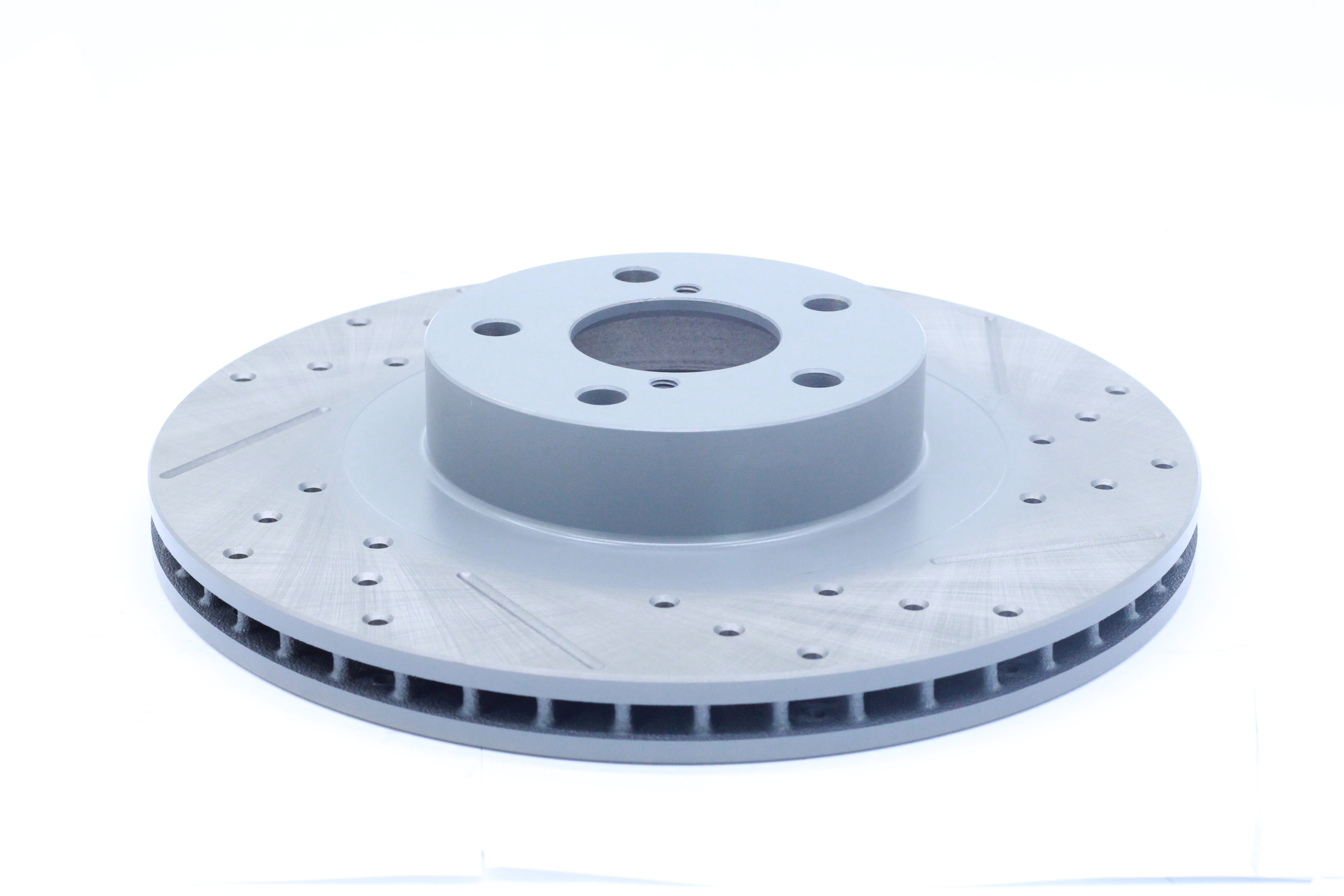
Surface finish and rotor design features impact how auto brake pads interface with braking surfaces during operation. Ventilated rotors provide enhanced cooling capabilities that allow brake pads to operate at lower average temperatures. Cross-drilled and slotted rotors create specific wear patterns on auto brake pads that must be considered during material selection. Regular rotor inspection and refinishing help maintain proper surface conditions for optimal brake pad performance and longevity.
Brake Fluid and Hydraulic Considerations
Brake fluid condition and hydraulic system performance directly influence how effectively auto brake pads can generate stopping force. Contaminated or degraded brake fluid reduces system pressure and affects pedal feel during braking operations. High-performance auto brake pads require properly maintained hydraulic systems to achieve their design specifications. Moisture absorption in brake fluid can lead to vapor formation at elevated temperatures, compromising brake pad effectiveness during intensive use.
Modern brake systems incorporate electronic stability and anti-lock features that affect how auto brake pads operate during emergency situations. These systems can cause rapid pressure cycling that generates additional heat and wear on brake components. Quality auto brake pads must withstand the dynamic loading conditions created by electronic brake management systems. Regular brake fluid replacement intervals become critical for maintaining optimal auto brake pads performance in vehicles equipped with advanced braking technologies.
FAQ
How often should auto brake pads be replaced in different driving environments
Auto brake pads replacement intervals vary significantly based on driving conditions, with city driving typically requiring replacement every 25,000 to 35,000 miles due to frequent stop-and-go traffic. Highway driving environments may extend brake pad life to 50,000 miles or more since braking events are less frequent and thermal cycling is reduced. Mountain driving or frequent towing applications often necessitate more frequent auto brake pads replacement due to increased thermal stress and demanding braking conditions.
What are the signs that auto brake pads need immediate replacement
Key warning signs include squealing or grinding noises during braking, reduced stopping effectiveness, brake pedal vibration, or visible wear indicators showing pad thickness below manufacturer specifications. Auto brake pads with less than 3mm of friction material remaining require immediate replacement to maintain safe braking performance. Dashboard warning lights or electronic brake wear sensors also indicate when auto brake pads have reached their replacement threshold.
Can different types of auto brake pads be mixed on the same vehicle
Mixing different auto brake pads materials or brands on the same axle is not recommended as it can create uneven braking forces and unpredictable vehicle behavior during stopping events. Front and rear axles may use different auto brake pads compounds based on vehicle design and manufacturer specifications. However, both sides of each axle should always use identical auto brake pads to maintain balanced braking performance and vehicle stability.
How do weather conditions affect auto brake pads selection
Cold weather environments benefit from auto brake pads formulated with materials that maintain flexibility at low temperatures, while hot climate applications require compounds resistant to thermal fade and glazing. Wet conditions favor auto brake pads with enhanced water dispersion characteristics to maintain friction during rain or snow. Regions with extreme temperature variations require auto brake pads engineered for consistent performance across wide temperature ranges without compromising stopping effectiveness.