
 EN
EN
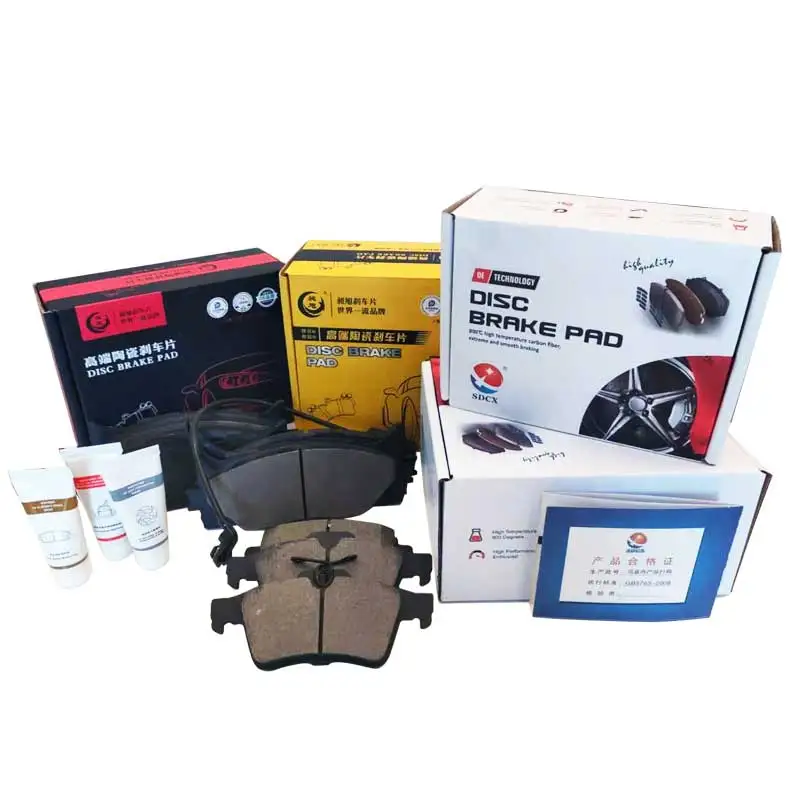
The material composition of auto brake pads plays a critical role in determining their performance, longevity, and safety characteristics. Modern automotive engineers must carefully balance heat resistance, wear rates, noise levels, and cost considerations when selecting brake pad materials. Understanding how different materials affect these performance metrics helps fleet managers, automotive technicians, and vehicle owners make informed decisions about brake system maintenance and upgrades.
The relationship between material selection and thermal performance in auto brake pads directly impacts vehicle safety and operational efficiency. Different friction materials exhibit varying responses to temperature changes, affecting their ability to maintain consistent stopping power under diverse driving conditions. This comprehensive analysis explores how material choices influence heat dissipation, wear characteristics, and overall brake system performance across various automotive applications.
Material Categories and Their Thermal Properties
Organic Friction Materials in Auto Brake Pads
Organic friction materials, commonly referred to as Non-Asbestos Organic (NAO) compounds, represent one of the most widely used categories in modern auto brake pads manufacturing. These materials typically incorporate aramid fibers, glass fibers, rubber compounds, and various binding resins to create a friction surface that balances performance with environmental considerations. The organic composition provides excellent initial bite and smooth engagement characteristics, making them particularly suitable for passenger vehicles and light commercial applications.
The thermal properties of organic auto brake pads materials present both advantages and limitations in high-temperature applications. These materials generally operate effectively within temperature ranges of 200 to 400 degrees Celsius, beyond which they may experience fade or degradation. The heat resistance characteristics depend heavily on the specific fiber composition and resin system used in the formulation. Advanced organic formulations incorporate heat-resistant aramid fibers and modified phenolic resins to extend their operational temperature range.
Wear rates in organic auto brake pads typically demonstrate predictable patterns under normal driving conditions. The softer nature of organic materials generally results in higher wear rates compared to semi-metallic or ceramic alternatives, but this characteristic also contributes to reduced rotor wear and quieter operation. The wear mechanism involves gradual material transfer and mechanical abrasion, with wear rates influenced by driving style, environmental conditions, and brake system design parameters.
Semi-Metallic Formulations and Heat Management
Semi-metallic auto brake pads incorporate metallic fibers, typically steel wool or copper fibers, combined with organic binding materials and friction modifiers. This hybrid approach aims to capture the benefits of both metallic heat conductivity and organic material flexibility. The metallic content, usually ranging from 30% to 65% by volume, significantly influences the thermal characteristics and wear behavior of the finished brake pad.
Heat resistance in semi-metallic auto brake pads generally exceeds that of purely organic formulations, with operational temperatures extending to 500 degrees Celsius or higher. The metallic fibers act as thermal conductors, facilitating heat transfer away from the friction interface and into the brake pad backing plate and caliper system. This enhanced heat dissipation capability makes semi-metallic pads particularly suitable for heavy-duty applications, performance vehicles, and commercial fleet operations where consistent stopping power under demanding conditions is essential.
The wear characteristics of semi-metallic materials reflect the complex interaction between metallic and organic components during the friction process. While these pads typically exhibit lower wear rates than organic alternatives, they may contribute to increased rotor wear due to their more abrasive nature. The balance between pad longevity and rotor preservation requires careful consideration of the specific metallic content and particle size distribution within the friction material formulation.
Advanced Ceramic Compositions and Performance Characteristics
Ceramic Fiber Technology in Modern Auto Brake Pads
Ceramic auto brake pads represent the latest advancement in friction material technology, incorporating ceramic fibers, copper particles, and advanced binding systems to achieve superior thermal performance and wear resistance. The ceramic fibers, typically derived from potassium titanate or other high-temperature ceramics, provide exceptional thermal stability and maintain their structural integrity across wide temperature ranges.
The thermal properties of ceramic auto brake pads demonstrate remarkable consistency across temperature ranges that would cause significant performance degradation in organic or semi-metallic alternatives. These materials maintain stable friction coefficients at temperatures exceeding 600 degrees Celsius, making them ideal for high-performance applications and severe-duty commercial vehicles. The ceramic matrix structure contributes to excellent thermal shock resistance and dimensional stability under rapid temperature cycling.
Wear rate optimization in ceramic formulations results from the unique friction mechanism involving controlled ceramic particle release and surface film formation. This process creates a protective layer that reduces direct metal-to-metal contact between the pad and rotor surfaces, contributing to extended service life for both components. The auto brake pads utilizing ceramic technology typically demonstrate 20% to 40% longer service life compared to conventional alternatives while maintaining consistent performance characteristics.
Copper-Free Ceramic Formulations
Environmental regulations have driven the development of copper-free ceramic auto brake pads formulations that maintain performance while reducing environmental impact. These advanced materials substitute copper particles with alternative metallic fibers or ceramic particles that provide similar thermal conductivity and wear characteristics. The transition to copper-free formulations presents challenges in maintaining the heat dissipation properties that copper traditionally provided in ceramic brake pad compositions.
Heat management in copper-free ceramic auto brake pads requires innovative approaches to thermal conductivity and heat capacity. Manufacturers have developed alternative metallic fiber systems and ceramic particle distributions that effectively manage thermal energy during braking events. These formulations often incorporate advanced thermal barrier coatings and heat-resistant binding systems to maintain performance standards while meeting environmental compliance requirements.
The wear behavior of copper-free ceramic formulations demonstrates the successful evolution of brake pad technology toward environmental sustainability without compromising performance. These materials typically exhibit wear rates comparable to traditional ceramic formulations while providing improved compatibility with modern rotor metallurgy and brake system designs. The development of copper-free alternatives represents a significant advancement in sustainable automotive friction material technology.
Material Selection Impact on Brake System Performance
Temperature-Dependent Friction Characteristics
The relationship between material composition and temperature-dependent friction behavior in auto brake pads significantly influences overall brake system performance and safety. Different friction materials exhibit varying friction coefficient curves as temperatures increase during braking events. Understanding these characteristics enables proper material selection for specific vehicle applications and operating conditions.
Organic auto brake pads materials typically demonstrate a negative friction coefficient slope with increasing temperature, meaning their stopping power decreases as temperatures rise. This characteristic, known as fade, becomes particularly pronounced at temperatures above 300 degrees Celsius. The fade characteristics depend on the specific organic formulation, with advanced aramid fiber compositions showing improved high-temperature stability compared to basic organic materials.
Semi-metallic and ceramic auto brake pads generally exhibit more stable friction characteristics across wider temperature ranges. Semi-metallic formulations may show slight increases in friction coefficient at moderate temperatures before experiencing fade at extreme temperatures. Ceramic materials often demonstrate the most consistent friction behavior, maintaining stable coefficients across temperature ranges that would cause significant performance degradation in other material types.
Wear Mechanism Variations Across Material Types
The fundamental wear mechanisms operating in different auto brake pads materials directly influence service life, maintenance requirements, and overall cost of ownership. Each material category exhibits distinct wear patterns and mechanisms that affect both the brake pad itself and the opposing rotor surface. Understanding these mechanisms helps predict maintenance intervals and optimize brake system design parameters.
Organic materials in auto brake pads typically wear through a combination of thermal decomposition, mechanical abrasion, and material transfer processes. The relatively soft nature of organic compounds results in gradual wear that tends to conform to rotor surface irregularities, contributing to smooth operation and reduced noise generation. However, this conformability also leads to higher wear rates under aggressive driving conditions or when exposed to contamination from road debris or environmental factors.
The wear mechanisms in semi-metallic and ceramic auto brake pads involve more complex interactions between metallic or ceramic particles and the rotor surface. These materials tend to wear more predictably under consistent operating conditions while demonstrating superior resistance to contamination and environmental factors. The harder nature of these materials may contribute to increased rotor wear but provides extended pad service life and more consistent performance characteristics throughout the wear cycle.
Environmental and Operating Condition Considerations
Moisture and Contamination Effects
Environmental conditions significantly impact the performance and longevity of different auto brake pads materials, with moisture, salt, and road contaminants affecting material integrity and friction characteristics. The porosity and chemical composition of brake pad materials determine their susceptibility to environmental degradation and performance variation under adverse conditions.
Organic auto brake pads materials generally demonstrate higher sensitivity to moisture absorption, which can lead to temporary friction coefficient variations and potential for corrosion in metallic backing plates. The hygroscopic nature of some organic binding agents may result in dimensional changes and potential delamination under extreme moisture conditions. Advanced organic formulations incorporate moisture-resistant additives and barrier coatings to minimize these effects.
Semi-metallic and ceramic auto brake pads typically exhibit superior resistance to environmental contamination due to their denser structure and lower porosity. The metallic components in semi-metallic formulations may be susceptible to corrosion in salt environments, requiring appropriate protective coatings and corrosion inhibitors. Ceramic materials generally demonstrate excellent chemical resistance and dimensional stability across diverse environmental conditions.
Thermal Cycling and Fatigue Resistance
Repeated thermal cycling represents one of the most demanding aspects of brake pad service life, with materials experiencing rapid temperature changes that can lead to thermal fatigue, cracking, and performance degradation. The ability of different auto brake pads materials to withstand thermal cycling directly impacts service reliability and maintenance requirements in demanding applications.
The thermal expansion characteristics of organic auto brake pads materials may result in stress development during rapid temperature changes, particularly in thick brake pad designs or high-thermal-mass applications. Advanced organic formulations incorporate fiber reinforcement systems and flexible binding agents to accommodate thermal expansion while maintaining structural integrity throughout multiple thermal cycles.
Ceramic and semi-metallic auto brake pads generally demonstrate superior thermal cycling resistance due to their more stable thermal expansion characteristics and higher thermal conductivity. The ability to rapidly dissipate heat reduces temperature gradients within the material and minimizes thermal stress development. This characteristic makes these materials particularly suitable for applications involving frequent braking cycles or high-energy braking events.
Performance Optimization and Material Selection Guidelines
Application-Specific Material Matching
Selecting the optimal auto brake pads material requires careful consideration of vehicle type, operating conditions, performance requirements, and cost constraints. Different applications demand specific material characteristics, with passenger vehicles, commercial fleets, and performance applications each presenting unique requirements for friction coefficient, wear rate, noise generation, and thermal performance.
Passenger vehicle applications typically prioritize smooth operation, low noise generation, and reasonable service life, making organic or low-metallic auto brake pads formulations ideal choices. These materials provide excellent initial bite characteristics and maintain consistent performance under normal driving conditions while minimizing rotor wear and brake system noise. The moderate thermal requirements of passenger vehicle applications align well with the operational temperature ranges of advanced organic materials.
Commercial and heavy-duty applications require auto brake pads materials that can withstand higher thermal loads, provide consistent performance under varying load conditions, and offer extended service life to minimize maintenance costs. Semi-metallic and ceramic formulations typically excel in these applications, providing the thermal capacity and wear resistance necessary for demanding commercial operations while maintaining acceptable noise and rotor wear characteristics.
Cost-Performance Trade-offs in Material Selection
The economic considerations in auto brake pads material selection extend beyond initial purchase price to include total cost of ownership factors such as service life, rotor wear, maintenance labor, and vehicle downtime. Advanced materials may justify higher initial costs through extended service intervals and improved system reliability, particularly in commercial applications where downtime represents significant operational costs.
Organic auto brake pads materials typically offer the lowest initial cost but may require more frequent replacement in demanding applications, potentially increasing total ownership costs. The balance between material cost and service life depends heavily on the specific application requirements and operating conditions encountered throughout the service life of the brake system.
Premium ceramic and advanced semi-metallic auto brake pads materials often provide superior long-term value through extended service life, reduced maintenance requirements, and improved vehicle safety and reliability. The initial investment in higher-quality materials typically results in lower total cost of ownership and improved operational efficiency, particularly in commercial fleet applications where brake system reliability directly impacts productivity and profitability.
Future Developments in Brake Pad Material Technology
Nanotechnology Integration
Emerging nanotechnology applications in auto brake pads materials promise significant improvements in thermal management, wear resistance, and environmental sustainability. Nano-scale additives and reinforcement materials offer opportunities to enhance material properties while reducing reliance on traditional friction modifiers and binding agents that may present environmental concerns.
Carbon nanotube reinforcement in auto brake pads formulations demonstrates potential for improving thermal conductivity while maintaining or reducing material density. These advanced reinforcement systems may enable the development of lighter brake pad designs with enhanced thermal performance, contributing to overall vehicle efficiency and performance improvements.
Nano-ceramic additives in auto brake pads materials show promise for improving wear resistance and thermal stability while enabling the reduction of metallic content in friction formulations. These developments align with environmental regulations while potentially improving performance characteristics across diverse operating conditions and applications.
Sustainable Material Development
The automotive industry's focus on sustainability drives continued development of environmentally friendly auto brake pads materials that maintain or improve performance while reducing environmental impact throughout their lifecycle. Bio-based binding agents, recycled fiber reinforcements, and reduced-emission friction modifiers represent key areas of ongoing material development.
Natural fiber reinforcement systems in auto brake pads formulations offer potential alternatives to synthetic fibers while providing acceptable performance characteristics for many applications. These developments require careful optimization to ensure adequate thermal stability and wear resistance while achieving environmental sustainability goals.
Recycling and remanufacturing programs for auto brake pads materials contribute to sustainability efforts while potentially reducing material costs. Advanced separation and processing technologies enable the recovery and reuse of valuable components from worn brake pads, supporting circular economy principles in automotive friction material manufacturing.
FAQ
What temperature range can different auto brake pads materials withstand?
Organic auto brake pads typically operate effectively between 200-400°C, while semi-metallic materials can handle temperatures up to 500°C. Ceramic brake pads offer the highest temperature resistance, maintaining stable performance at temperatures exceeding 600°C. The specific temperature capability depends on the exact formulation and quality of materials used in manufacturing.
How does material choice affect brake pad replacement frequency?
Material selection significantly impacts replacement intervals, with organic auto brake pads typically requiring replacement every 25,000-40,000 miles under normal conditions. Semi-metallic pads generally last 40,000-60,000 miles, while ceramic formulations can extend service life to 60,000-80,000 miles. Actual replacement frequency depends on driving habits, vehicle weight, and operating conditions.
Which brake pad material provides the best heat dissipation properties?
Semi-metallic auto brake pads generally provide superior heat dissipation due to their metallic fiber content, which conducts heat away from the friction surface effectively. Ceramic materials also offer excellent thermal management through their stable high-temperature properties and thermal shock resistance. Organic materials typically have lower thermal conductivity but may be adequate for standard passenger vehicle applications.
Do different auto brake pads materials require specific rotor types?
While most auto brake pads materials are compatible with standard cast iron rotors, optimal performance may require specific rotor metallurgy or surface treatments. Ceramic pads often work best with premium rotors featuring improved thermal capacity, while semi-metallic pads may require rotors with enhanced wear resistance. Organic pads typically work well with standard rotor materials but benefit from smooth, properly prepared surfaces.
Table of Contents
- Material Categories and Their Thermal Properties
- Advanced Ceramic Compositions and Performance Characteristics
- Material Selection Impact on Brake System Performance
- Environmental and Operating Condition Considerations
- Performance Optimization and Material Selection Guidelines
- Future Developments in Brake Pad Material Technology
- FAQ