
 EN
EN
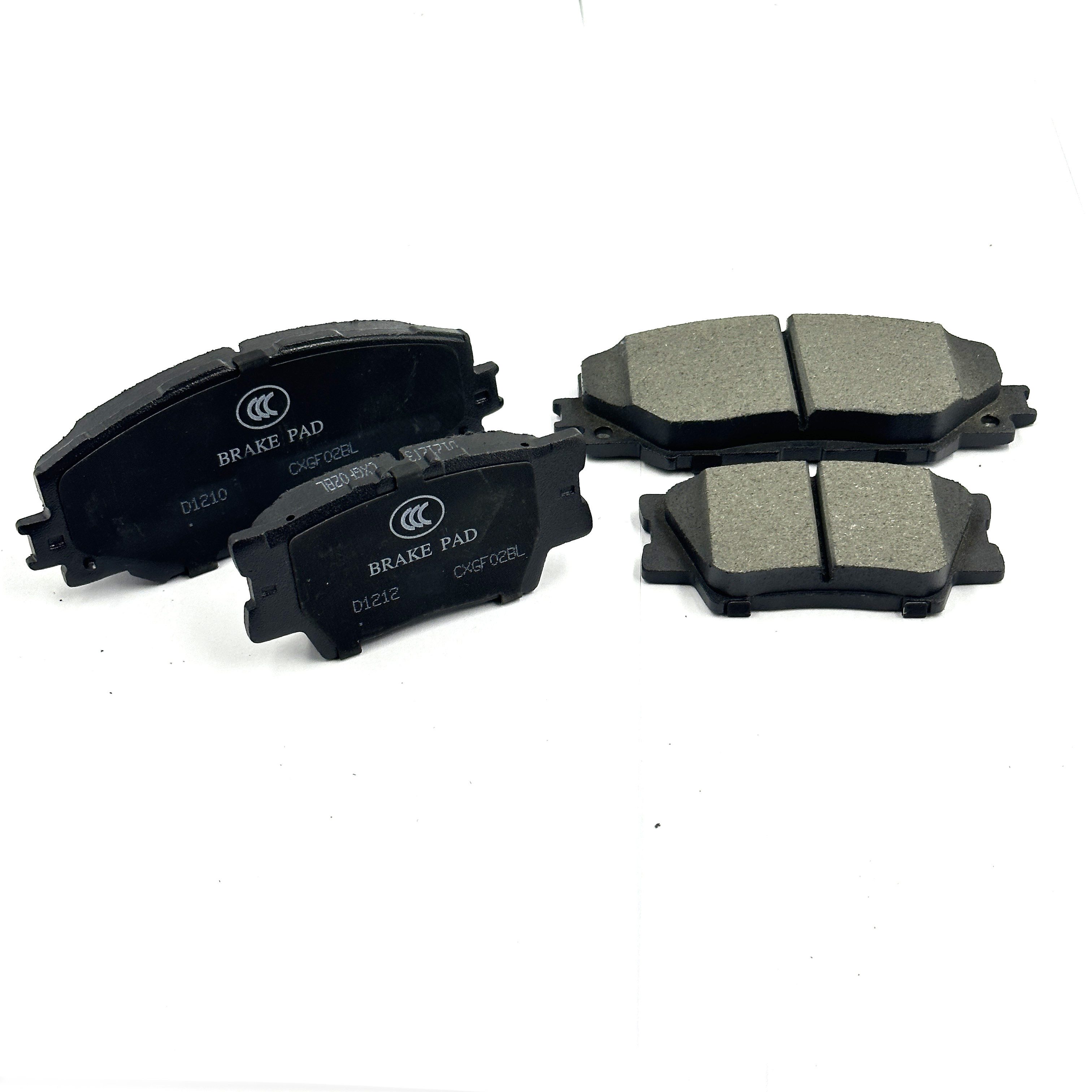
Vehicle safety depends heavily on properly functioning braking systems, with automotive brake pads serving as one of the most critical components in ensuring reliable stopping power. These essential friction materials work tirelessly to convert kinetic energy into heat, allowing drivers to control their vehicles effectively under various driving conditions. Understanding when these vital components need replacement can mean the difference between safe travels and potentially dangerous situations on the road.
Modern vehicles rely on sophisticated braking systems that generate tremendous friction forces to bring thousands of pounds of metal to a complete stop. The brake pads play a pivotal role in this process, pressing against brake rotors or drums to create the necessary friction for deceleration. Over time, these components naturally wear down through regular use, requiring periodic inspection and replacement to maintain optimal performance and safety standards.
Understanding Brake Pad Wear Patterns
Normal Wear Characteristics
Quality automotive brake pads typically exhibit predictable wear patterns under normal driving conditions. The friction material gradually diminishes over thousands of miles, with the rate of wear depending on factors such as driving habits, vehicle weight, and environmental conditions. Most brake pads feature wear indicators designed to alert drivers when replacement becomes necessary, though recognizing early warning signs can prevent more expensive repairs.
The composition of brake pad materials significantly influences their longevity and performance characteristics. Organic, semi-metallic, and ceramic formulations each offer distinct advantages in terms of durability, noise levels, and braking efficiency. Understanding these differences helps vehicle owners make informed decisions about replacement options when their current pads reach the end of their service life.
Factors Affecting Wear Rates
Driving environment plays a crucial role in determining how quickly brake pads deteriorate. Urban driving with frequent stop-and-go traffic accelerates wear rates compared to highway cruising, while mountainous terrain with steep grades places additional demands on braking systems. Heavy loads, aggressive driving styles, and extreme weather conditions can further impact the lifespan of these critical components.
Vehicle maintenance practices also influence brake pad longevity, with properly maintained braking systems typically providing longer service intervals. Regular inspections, proper brake fluid maintenance, and addressing minor issues before they escalate contribute to extended component life and improved overall system performance.
Audible Warning Signs
Squealing and Screeching Sounds
High-pitched squealing noises often represent the first indication that brake pads require attention. Most modern automotive brake pads incorporate built-in wear indicators consisting of small metal tabs that contact the brake rotor when the friction material reaches minimum thickness. This intentional design creates an unmistakable warning sound that alerts drivers to schedule immediate inspection and potential replacement.
The intensity and frequency of these sounds typically increase as wear progresses, with occasional squeals during initial brake application evolving into constant noise during any braking action. Ignoring these audible warnings can lead to more severe damage, including scored rotors that require expensive resurfacing or replacement procedures.
Grinding and Scraping Noises
Grinding or scraping sounds indicate severe brake pad wear that requires immediate attention. These harsh noises occur when the friction material has worn completely away, allowing metal backing plates to contact brake rotors directly. This metal-on-metal contact creates dangerous conditions that compromise stopping ability while causing significant damage to expensive rotor surfaces.
Continued driving with grinding brakes can result in rotor damage that necessitates complete replacement rather than simple resurfacing. The cost of repairing damage from severely worn pads often exceeds the expense of timely brake pad replacement by several hundred dollars, making early attention to warning signs financially prudent.
Physical Inspection Indicators
Visual Thickness Assessment
Direct visual inspection provides reliable information about brake pad condition when conducted properly. Most brake pads remain visible through wheel spokes, allowing owners to assess friction material thickness without removing wheels. New pads typically measure between 10-12 millimeters thick, with replacement recommended when material drops below 3-4 millimeters.
Uneven wear patterns across individual pads or between different wheels may indicate underlying issues such as caliper problems, rotor irregularities, or suspension misalignment. These conditions require professional diagnosis and correction to prevent premature wear of replacement components and ensure proper braking performance.
Rotor Surface Condition
Brake rotor surfaces provide valuable clues about pad condition and overall system health. Smooth, uniformly colored rotors typically indicate normal wear, while deep grooves, scoring, or discoloration suggest pad material has worn excessively. Blue coloration often results from excessive heat generation due to worn pads or aggressive driving practices.
Surface irregularities on rotors can accelerate brake pad wear and create vibration during braking operations. Identifying these issues early allows for corrective action that preserves both rotor and pad longevity while maintaining smooth, efficient braking performance.
Performance-Based Warning Signs
Reduced Stopping Power
Diminished braking effectiveness represents a critical safety concern that demands immediate attention. When automotive brake pads wear beyond safe limits, vehicles require increased stopping distances and greater pedal pressure to achieve adequate deceleration. This degradation often occurs gradually, making it difficult for drivers to recognize until conditions become dangerous.
Testing braking performance in safe, controlled environments helps identify declining effectiveness before emergency situations arise. Consistent monitoring of stopping distances and pedal feel during normal driving provides early warning of potential problems that require professional evaluation and service.
Pedal Feel Changes
Brake pedal characteristics change noticeably as pad wear progresses, with several distinct sensations indicating replacement needs. A spongy or soft pedal feel often suggests air in brake lines or worn components, while excessive pedal travel may indicate thin pad material or hydraulic system issues. Conversely, hard pedal feel with reduced effectiveness can signal severely worn pads or contaminated friction surfaces.
Vibration through the brake pedal during normal stopping typically indicates warped rotors, often caused by continued operation with worn brake pads. This condition creates uneven contact between pads and rotors, generating heat and distortion that compromise braking smoothness and effectiveness.
Vehicle Behavior Changes
Pulling During Braking
Vehicles that pull to one side during braking often experience uneven pad wear or hydraulic system imbalances. This condition creates safety hazards by making straight-line stops difficult, particularly during emergency situations. Uneven wear patterns may result from contaminated brake fluid, stuck calipers, or misaligned suspension components that require professional diagnosis.
Addressing pulling issues promptly prevents further component damage while restoring safe, predictable braking characteristics. Ignoring these symptoms can lead to complete brake failure on the affected side, creating extremely dangerous driving conditions that endanger occupants and other road users.
Vibration and Steering Wheel Shake
Steering wheel vibration during braking typically indicates rotor warpage caused by excessive heat generation from worn brake pads. This warpage creates an uneven surface that causes pads to grab intermittently, transmitting pulsations through the steering system. The severity of vibration often correlates with the degree of rotor damage and pad wear.
Early intervention when vibration first appears can often save rotors through professional resurfacing procedures. However, severe warpage may require complete rotor replacement, significantly increasing repair costs compared to timely brake pad service.
Maintenance Schedule Considerations
Manufacturer Recommendations
Vehicle manufacturers provide specific maintenance intervals for brake system components based on extensive testing under various conditions. These recommendations typically suggest brake pad inspection every 12,000-15,000 miles, with replacement intervals varying based on driving conditions and pad materials. Following manufacturer guidelines helps ensure optimal safety and performance while preventing premature component failure.
Severe service conditions such as frequent towing, mountain driving, or stop-and-go traffic may require more frequent inspections and earlier replacement intervals. Understanding these factors helps vehicle owners develop appropriate maintenance schedules that reflect their specific driving patterns and requirements.
Professional Inspection Benefits
Regular professional brake inspections provide comprehensive system evaluation beyond simple pad thickness measurements. Qualified technicians assess brake fluid condition, hydraulic component function, rotor surface quality, and overall system integration to identify potential issues before they become safety hazards or expensive repairs.
Professional inspections also ensure proper installation techniques and quality replacement parts when service becomes necessary. This expertise helps maximize component longevity while maintaining manufacturer warranty coverage and safety standards throughout the vehicle's operational life.
FAQ
How often should automotive brake pads be replaced
Brake pad replacement intervals vary significantly based on driving conditions, vehicle type, and pad materials, but most automotive brake pads require replacement every 25,000 to 70,000 miles. City driving with frequent stops typically necessitates more frequent replacement compared to highway driving, while quality pad materials and proper maintenance can extend service life. Regular inspections every 12,000 miles help determine actual replacement needs based on individual driving patterns.
What happens if brake pads are not replaced when needed
Failing to replace worn brake pads can result in complete friction material loss, causing metal backing plates to contact brake rotors directly. This metal-on-metal contact severely damages rotor surfaces, often requiring expensive replacement rather than simple resurfacing. Additionally, stopping distances increase dramatically, creating serious safety hazards that can lead to accidents, while repair costs escalate significantly beyond simple pad replacement expenses.
Can I replace brake pads myself or should I use a professional
While mechanically inclined individuals can replace brake pads with proper tools and knowledge, professional installation ensures correct procedures, quality parts, and comprehensive system inspection. Brake systems are critical safety components that require precise installation, proper torque specifications, and thorough testing to function correctly. Professional service also includes brake fluid inspection, rotor assessment, and warranty coverage that provides additional value and peace of mind.
How much does brake pad replacement typically cost
Brake pad replacement costs vary widely based on vehicle type, pad quality, and labor rates, typically ranging from $150 to $400 per axle including parts and installation. Premium vehicles or high-performance brake pads may cost significantly more, while basic economy car service generally falls toward the lower end of this range. Additional costs may include rotor resurfacing or replacement if damage has occurred due to delayed pad replacement, potentially doubling total repair expenses.