
 EN
EN
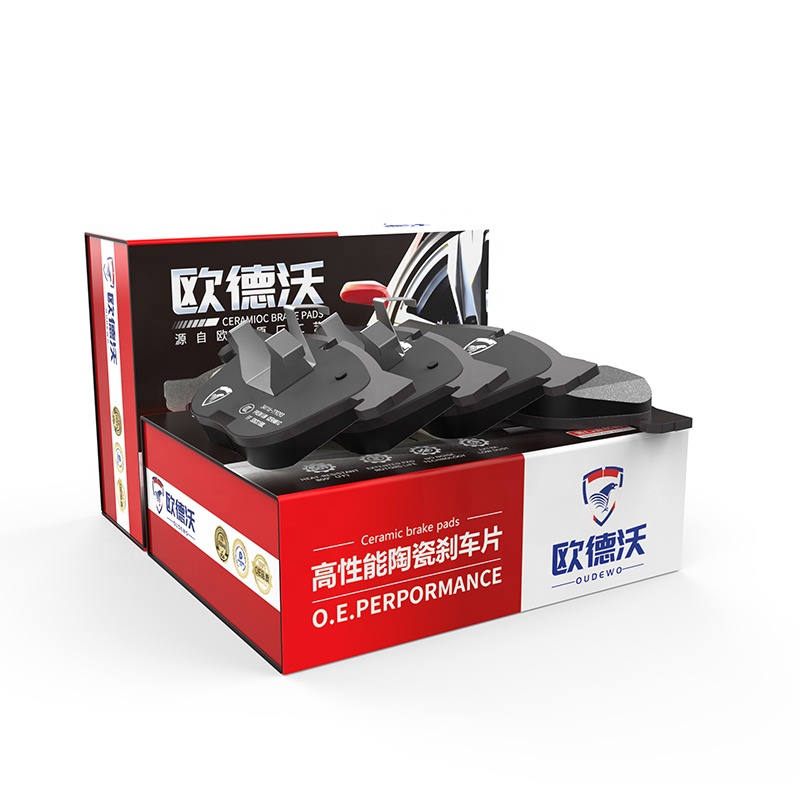
When it comes to vehicle safety and performance, selecting the right automotive brake pads is one of the most critical decisions any vehicle owner can make. The braking system serves as your primary defense against accidents and ensures smooth, controlled deceleration in various driving conditions. Understanding the fundamental differences between ceramic and semi-metallic brake pad compositions can significantly impact your vehicle's stopping power, maintenance costs, and overall driving experience. Modern automotive brake pads have evolved considerably from their early asbestos-based predecessors, incorporating advanced materials and engineering principles to deliver superior performance across different vehicle types and driving scenarios.
Understanding Ceramic Brake Pad Technology
Composition and Manufacturing Process
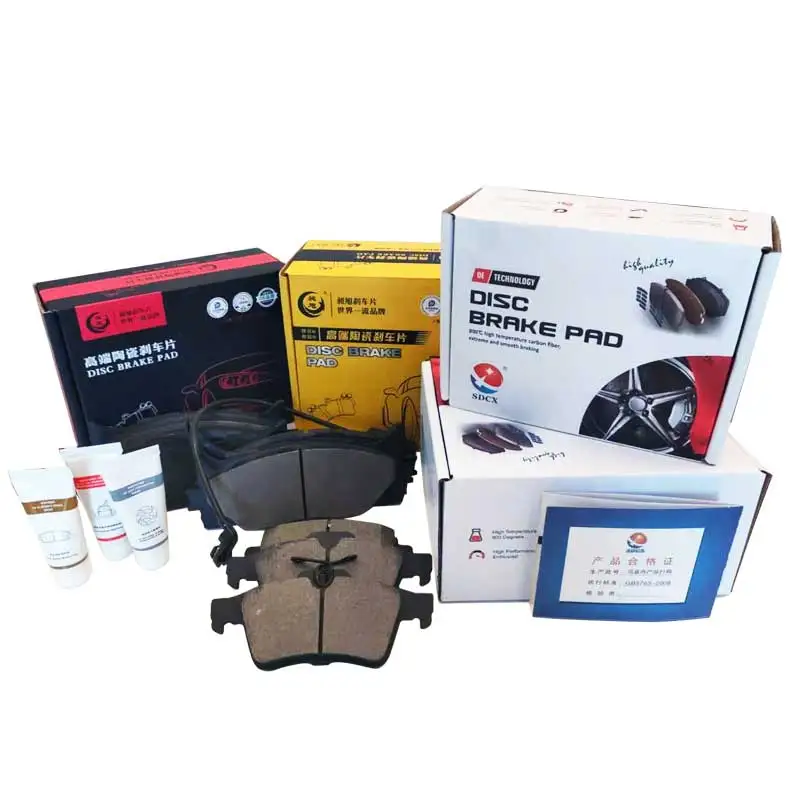
Ceramic brake pads represent a significant advancement in braking technology, utilizing a sophisticated blend of ceramic fibers, bonding agents, and filler materials. The manufacturing process involves precision mixing of ceramic compounds with copper fibers and other metallic elements to create a friction material that excels in heat dissipation and wear resistance. These advanced automotive brake pads undergo rigorous quality testing to ensure consistent performance across various temperature ranges and driving conditions. The ceramic composition provides exceptional dimensional stability, meaning the pads maintain their shape and friction characteristics even under extreme heat generated during heavy braking scenarios.
The production of ceramic brake pads requires specialized equipment and controlled environments to achieve optimal material density and consistency. Manufacturers employ high-temperature curing processes that bond the ceramic particles with organic and metallic additives, creating a homogeneous friction surface. This careful manufacturing approach results in brake pads that offer superior performance longevity compared to traditional friction materials. The ceramic matrix structure allows for even heat distribution across the pad surface, preventing hot spots that could lead to uneven wear or reduced braking effectiveness over time.
Performance Characteristics in Real-World Applications
Ceramic automotive brake pads demonstrate exceptional performance characteristics that make them particularly suitable for daily driving and light commercial applications. Their superior heat management capabilities prevent brake fade during extended use, maintaining consistent stopping power even during mountain driving or stop-and-go traffic conditions. The ceramic composition generates significantly less brake dust compared to semi-metallic alternatives, keeping wheels cleaner and reducing the frequency of wheel maintenance. Additionally, ceramic pads operate more quietly, producing minimal noise during normal braking operations, which enhances the overall driving experience for vehicle occupants.
The thermal stability of ceramic brake pads allows them to maintain optimal friction coefficients across a wide temperature range, ensuring predictable braking performance in various weather conditions. These pads excel in wet weather applications, providing reliable stopping power without significant performance degradation when exposed to moisture. The consistent friction characteristics of ceramic automotive brake pads contribute to improved pedal feel and driver confidence, particularly during emergency braking situations where precise control is essential for vehicle safety.
Semi-Metallic Brake Pad Technology Overview
Material Composition and Engineering Design
Semi-metallic brake pads incorporate a carefully balanced mixture of metallic particles, organic binding agents, and friction modifiers to create a robust braking solution. The metallic content typically ranges from thirty to sixty-five percent, including materials such as steel wool, copper particles, and iron powder that provide excellent heat transfer properties. This metallic composition gives semi-metallic automotive brake pads their characteristic durability and aggressive friction characteristics, making them particularly effective for high-performance driving applications and heavy-duty vehicle use. The engineering design focuses on maximizing heat dissipation while maintaining structural integrity under extreme braking conditions.
The manufacturing process for semi-metallic brake pads involves precise control of metallic particle distribution to ensure consistent friction properties across the entire pad surface. Advanced bonding agents hold the metallic components together while allowing for controlled wear characteristics that maintain optimal friction levels throughout the pad's service life. The metallic matrix structure provides excellent thermal conductivity, rapidly transferring heat away from the friction surface to prevent overheating and maintain consistent braking performance during demanding driving scenarios.
Operational Benefits and Performance Metrics
Semi-metallic automotive brake pads excel in high-temperature applications where maximum stopping power is required, such as racing, towing, or mountainous terrain driving. Their robust construction allows them to withstand extreme heat cycles without significant performance degradation, making them ideal for vehicles that regularly experience heavy braking loads. The metallic composition provides superior initial bite and aggressive friction characteristics that deliver confident stopping power from the first application. These pads maintain their effectiveness across a broad temperature range, ensuring reliable performance in both cold startup conditions and high-temperature operating scenarios.
The durability of semi-metallic brake pads often exceeds that of other friction materials, providing extended service life even under demanding operating conditions. Their resistance to fade and consistent friction output make them particularly suitable for commercial vehicles, performance cars, and any application where braking reliability is paramount. However, semi-metallic automotive brake pads typically generate more brake dust and noise compared to ceramic alternatives, which may be considerations for drivers prioritizing vehicle cleanliness and quiet operation.
Comparative Performance Analysis
Heat Management and Thermal Properties
The thermal management capabilities of ceramic and semi-metallic automotive brake pads represent one of the most significant differentiating factors between these two technologies. Ceramic pads excel at managing moderate heat loads through their superior heat dissipation properties, maintaining consistent performance during typical driving scenarios without experiencing thermal fade. The ceramic composition creates a stable friction surface that resists temperature-induced changes in friction coefficient, providing predictable braking behavior across normal operating conditions. This thermal stability makes ceramic pads particularly suitable for daily commuting and light-duty applications where consistent, reliable braking is essential.
Semi-metallic brake pads demonstrate superior performance under extreme heat conditions, with their metallic composition providing excellent thermal conductivity that rapidly transfers heat away from the friction interface. This characteristic makes them particularly effective for high-performance driving, heavy towing, or mountain driving where sustained high temperatures are common. The metallic matrix structure allows semi-metallic automotive brake pads to maintain their friction properties even when operating temperatures exceed the effective range of ceramic materials, ensuring continued braking effectiveness in demanding applications.
Wear Characteristics and Service Life
The wear patterns and service life of different brake pad materials significantly impact long-term vehicle maintenance costs and reliability. Ceramic automotive brake pads typically exhibit more predictable wear characteristics, maintaining relatively consistent thickness throughout their service life without sudden changes in friction properties. This gradual wear pattern allows for better maintenance planning and reduces the likelihood of unexpected brake pad replacement needs. The ceramic composition also tends to be gentler on brake rotors, potentially extending rotor life and reducing overall braking system maintenance costs.
Semi-metallic brake pads often provide extended service life in demanding applications due to their robust construction and resistance to aggressive wear conditions. However, their harder composition may accelerate brake rotor wear compared to ceramic alternatives, potentially increasing long-term maintenance costs despite longer pad life. The metallic content in semi-metallic automotive brake pads can create more aggressive wear patterns on rotors, particularly during the initial break-in period when proper bedding procedures are essential for optimal performance and component longevity.
Application-Specific Recommendations
Daily Driving and Commuter Vehicles
For everyday commuting and typical passenger vehicle applications, ceramic automotive brake pads offer numerous advantages that align with most drivers' priorities. The quiet operation characteristics of ceramic pads enhance driving comfort during daily use, while their low dust generation keeps wheels cleaner and reduces maintenance frequency. The predictable friction characteristics and excellent heat management of ceramic pads provide reliable stopping power for normal driving conditions, including highway cruising, city driving, and typical suburban use patterns. These benefits make ceramic pads particularly attractive for drivers who prioritize convenience, cleanliness, and consistent performance in their daily transportation needs.
The superior rotor compatibility of ceramic brake pads also contributes to reduced long-term maintenance costs for daily driving applications. The gentler wear characteristics help preserve brake rotor surfaces, potentially extending rotor replacement intervals and reducing overall braking system maintenance expenses. Additionally, the thermal stability of ceramic automotive brake pads ensures consistent pedal feel and braking response across various driving conditions, contributing to enhanced driver confidence and safety in everyday driving scenarios.
Performance and Heavy-Duty Applications
High-performance driving, racing, and heavy-duty vehicle applications demand the superior thermal management and aggressive friction characteristics provided by semi-metallic brake pads. The robust construction and metallic composition of these automotive brake pads deliver the consistent stopping power required for track use, mountain driving, or heavy towing scenarios. The superior fade resistance and high-temperature performance capabilities ensure maintained braking effectiveness even under extreme operating conditions where ceramic pads might experience performance degradation.
Commercial vehicles, performance cars, and trucks used for towing benefit significantly from the durability and aggressive friction properties of semi-metallic brake pads. The extended service life under demanding conditions and superior initial bite characteristics provide the reliability and performance required for professional and recreational applications where braking system failure is not acceptable. While semi-metallic automotive brake pads may generate more noise and dust, these trade-offs are typically acceptable in applications where maximum performance and reliability are the primary concerns.
Cost Considerations and Economic Impact
Initial Investment and Purchase Price
The initial purchase price of ceramic and semi-metallic brake pads varies significantly based on material costs, manufacturing complexity, and intended application. Ceramic automotive brake pads typically command a higher initial purchase price due to the sophisticated materials and manufacturing processes required for their production. The advanced ceramic compounds, precision mixing requirements, and specialized curing processes contribute to increased production costs that are reflected in retail pricing. However, many vehicle owners find that the superior performance characteristics and potential maintenance savings justify the higher initial investment for daily driving applications.
Semi-metallic brake pads generally offer a more economical initial purchase option while still providing excellent performance for many applications. The established manufacturing processes and readily available metallic materials help keep production costs lower compared to ceramic alternatives. This cost advantage makes semi-metallic automotive brake pads attractive for budget-conscious consumers, commercial fleet operators, and applications where the premium features of ceramic pads are not essential for the intended use profile.
Long-Term Ownership Economics
The total cost of ownership for brake pad selection extends beyond initial purchase price to include factors such as service life, rotor wear, maintenance frequency, and replacement intervals. Ceramic automotive brake pads often provide superior long-term economics for daily driving applications through their gentler impact on brake rotors, reduced maintenance requirements, and predictable wear characteristics. The lower brake dust generation also reduces wheel cleaning frequency and potential wheel finish damage, contributing to overall vehicle maintenance cost reduction.
Semi-metallic brake pads may offer different economic advantages depending on the specific application and driving patterns. Their extended service life in demanding applications can provide cost benefits for high-mileage drivers, commercial operators, or performance enthusiasts who regularly subject their braking systems to extreme conditions. However, the potential for increased rotor wear and higher maintenance requirements should be considered when evaluating the total economic impact of semi-metallic automotive brake pads for specific applications.
FAQ
How long do ceramic brake pads typically last compared to semi-metallic pads
Ceramic automotive brake pads typically last between 30,000 to 70,000 miles under normal driving conditions, while semi-metallic pads may last 25,000 to 65,000 miles depending on driving habits and vehicle type. The actual lifespan varies significantly based on factors such as driving style, vehicle weight, road conditions, and maintenance practices. Ceramic pads often provide more predictable wear patterns, while semi-metallic pads may offer extended life in heavy-duty applications despite potentially accelerating rotor wear.
Can I switch from semi-metallic to ceramic brake pads on my existing vehicle
Yes, most vehicles can accommodate switching between semi-metallic and ceramic automotive brake pads without requiring additional modifications to the braking system. However, it's essential to ensure that the replacement pads meet the original equipment manufacturer's specifications for friction coefficient, thermal properties, and physical dimensions. When switching pad types, it's recommended to replace rotors or have them resurfaced to ensure optimal pad-to-rotor contact and prevent uneven wear patterns that could compromise braking performance.
Do ceramic brake pads work effectively in cold weather conditions
Ceramic automotive brake pads perform well in cold weather conditions, maintaining consistent friction characteristics across a wide temperature range including sub-freezing conditions. While they may require slightly more initial warming compared to semi-metallic pads in extremely cold conditions, ceramic pads provide reliable stopping power and maintain their performance advantages in typical winter driving scenarios. Their resistance to moisture absorption also helps prevent ice formation that could affect braking performance in freezing conditions.
What maintenance considerations are important for different brake pad types
Ceramic automotive brake pads require minimal special maintenance beyond regular inspection and timely replacement, though they benefit from proper break-in procedures to achieve optimal performance. Semi-metallic pads may require more frequent wheel cleaning due to increased dust generation and should be monitored for rotor wear patterns that could indicate the need for rotor replacement or resurfacing. Both pad types benefit from proper bedding procedures during installation and regular brake system inspections to ensure continued safe operation throughout their service life.