
 EN
EN
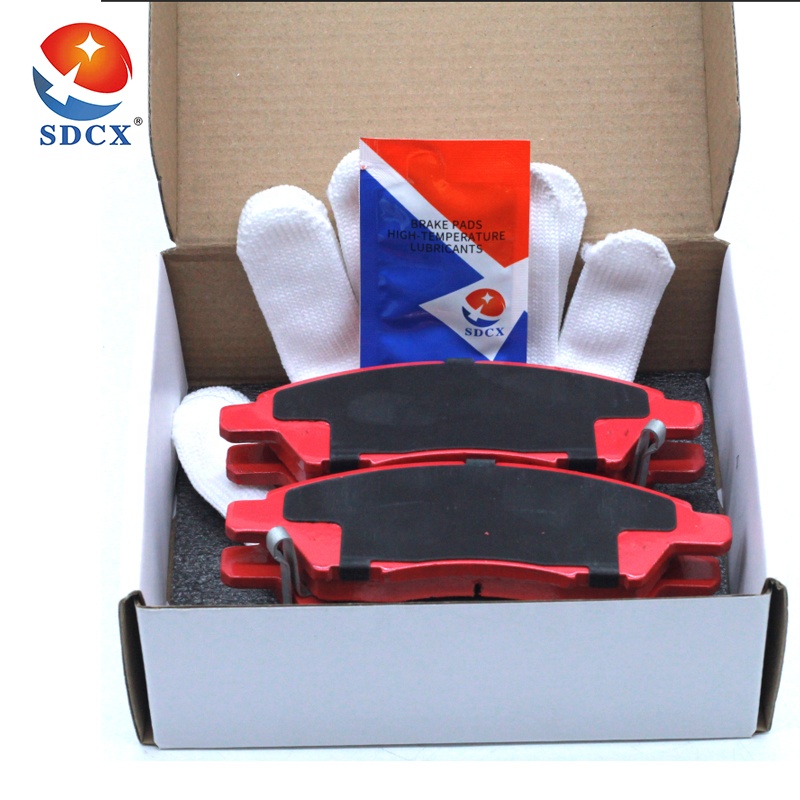
The automotive industry continues to evolve with advanced braking technologies, and carbon ceramic brake pads represent one of the most significant innovations in vehicle safety and performance. These premium brake components have transformed from exclusive racing applications to mainstream automotive solutions, offering drivers unprecedented stopping power, longevity, and thermal management. Understanding the benefits, applications, and investment value of these advanced brake systems becomes crucial for vehicle owners seeking optimal performance and safety in 2025.

Understanding Carbon Ceramic Brake Pad Technology
Material Composition and Manufacturing Process
Carbon ceramic brake pads utilize a sophisticated blend of carbon fibers and ceramic materials, creating a composite structure that delivers exceptional performance characteristics. The manufacturing process involves weaving carbon fibers into precise patterns before embedding them within a ceramic matrix through controlled heating and compression cycles. This advanced production technique results in brake pads with superior heat resistance, reduced weight, and enhanced durability compared to traditional metallic alternatives.
The ceramic component provides structural integrity and thermal stability, while carbon fibers contribute to the friction characteristics and overall strength of the brake pad. This combination creates a material that maintains consistent performance across extreme temperature ranges, from sub-zero conditions to temperatures exceeding 1000 degrees Celsius. The precise balance of these materials determines the specific performance characteristics of each brake pad formulation.
Performance Advantages Over Traditional Materials
Carbon ceramic brake pads demonstrate superior performance metrics compared to conventional organic, semi-metallic, and full metallic brake pad options. These advanced brake components provide consistent friction coefficients across varying temperature conditions, eliminating the fade commonly experienced with traditional brake materials during intensive use. The thermal management capabilities allow for sustained heavy braking without performance degradation.
The lightweight nature of carbon ceramic materials contributes to reduced unsprung weight in the braking system, improving vehicle handling characteristics and suspension performance. Additionally, these brake pads generate minimal brake dust compared to metallic alternatives, maintaining cleaner wheel surfaces and reducing environmental impact. The combination of performance benefits makes carbon ceramic technology particularly attractive for high-performance applications and demanding driving conditions.
Applications and Vehicle Compatibility
High-Performance and Sports Car Applications
Sports cars and high-performance vehicles benefit significantly from carbon ceramic brake pad technology due to their demanding braking requirements. Track-oriented vehicles experience extreme thermal stress during repeated high-speed stops, making the superior heat management of carbon ceramic brake pads essential for consistent performance. Racing applications particularly value the fade resistance and predictable friction characteristics these materials provide.
Luxury performance sedans and coupes increasingly incorporate carbon ceramic braking systems as standard or optional equipment, recognizing the technology's contribution to overall vehicle performance. The reduced brake dust generation appeals to owners of premium vehicles who prioritize aesthetic maintenance and wheel cleanliness. Professional racing series have widely adopted carbon ceramic technology due to its reliability and performance consistency under extreme conditions.
Commercial and Heavy-Duty Vehicle Integration
Commercial vehicle applications benefit from the extended service life and reduced maintenance requirements of carbon ceramic brake pads. Fleet operators appreciate the longer replacement intervals and consistent performance characteristics that reduce operational costs over time. Heavy-duty trucks and commercial vehicles experience significant thermal stress during loaded operations, making the heat resistance of ceramic materials particularly valuable.
Emergency service vehicles, including ambulances, fire trucks, and police vehicles, utilize carbon ceramic brake technology to ensure reliable stopping power during critical operations. The fade resistance and consistent performance under extreme conditions provide essential safety margins for emergency responders. Military and specialized vehicles also incorporate these advanced brake systems for mission-critical applications requiring absolute reliability.
Cost-Benefit Analysis for 2025
Initial Investment Considerations
The upfront cost of carbon ceramic brake pads significantly exceeds traditional brake pad alternatives, with premium systems costing three to five times more than conventional options. However, this initial investment must be evaluated against the extended service life and performance benefits these advanced brake components provide. The longer replacement intervals and reduced maintenance requirements contribute to overall cost-effectiveness over the vehicle's operational lifetime.
Professional installation requirements may increase initial costs, as carbon ceramic brake systems often require specialized knowledge and tools for proper installation. However, the extended service intervals reduce the frequency of maintenance visits, potentially offsetting higher initial labor costs. Fleet operators and high-mileage drivers particularly benefit from the reduced total cost of ownership despite higher upfront investments.
Long-Term Value Proposition
Carbon ceramic brake pads typically provide service lives two to three times longer than traditional brake materials, significantly reducing replacement frequency and associated labor costs. The reduced brake dust generation minimizes wheel cleaning requirements and prevents corrosive brake dust accumulation that can damage wheel finishes. These factors contribute to lower long-term maintenance costs and improved vehicle appearance retention.
The enhanced performance characteristics of carbon ceramic brake pads contribute to improved vehicle safety and driver confidence, providing intangible value that extends beyond purely financial considerations. The consistent performance under extreme conditions offers peace of mind for drivers who regularly encounter demanding braking situations. Additionally, the premium nature of carbon ceramic brake systems can contribute to higher vehicle resale values, particularly for performance and luxury vehicles.
Installation and Maintenance Requirements
Professional Installation Procedures
Installing carbon ceramic brake pads requires specialized knowledge and proper procedures to ensure optimal performance and safety. Professional technicians must understand the specific torque specifications, break-in procedures, and compatibility requirements for each application. The installation process involves careful inspection of brake rotors, calipers, and associated hardware to ensure compatibility with the advanced brake pad materials.
Proper bedding procedures are critical for carbon ceramic brake pads to achieve their full performance potential. This process involves specific heating and cooling cycles that properly establish the friction interface between the brake pads and rotors. Incorrect break-in procedures can significantly impact performance and longevity, making professional installation and initial setup essential for optimal results.
Ongoing Maintenance and Care
Carbon ceramic brake pads require minimal ongoing maintenance compared to traditional brake materials, but specific care procedures ensure optimal performance and longevity. Regular inspection of brake pad thickness and rotor condition helps identify potential issues before they impact performance or safety. The reduced brake dust generation simplifies wheel maintenance but requires attention to proper cleaning procedures that won't damage the brake components.
Temperature cycling during normal operation helps maintain the optimal friction characteristics of carbon ceramic brake materials. Avoiding prolonged periods of light braking that don't adequately heat the brake system ensures the materials maintain their performance properties. Professional brake system inspections at regular intervals help identify wear patterns and potential issues before they require emergency repairs or replacements.
FAQ
How long do carbon ceramic brake pads typically last compared to conventional brake pads
Carbon ceramic brake pads generally last 60,000 to 80,000 miles under normal driving conditions, compared to 25,000 to 40,000 miles for conventional brake pads. Heavy-duty applications or aggressive driving styles may reduce service life, but carbon ceramic materials still typically outlast traditional alternatives by significant margins. The extended service life helps offset the higher initial cost through reduced replacement frequency and associated labor costs.
Are carbon ceramic brake pads suitable for everyday street driving
Yes, modern carbon ceramic brake pads are well-suited for everyday street driving, providing excellent performance across normal temperature ranges and driving conditions. These brake pads offer consistent stopping power, reduced noise, and minimal brake dust generation that benefits daily driving applications. While initially developed for high-performance applications, current formulations work effectively for standard commuting and general purpose driving.
Do carbon ceramic brake pads require special brake rotors
Carbon ceramic brake pads can work with standard cast iron brake rotors, though optimal performance is achieved when paired with carbon ceramic rotors. The brake pad material is designed to be compatible with various rotor materials, but specific combinations may offer enhanced performance characteristics. Consulting with brake system specialists ensures proper component matching for your specific vehicle application and performance requirements.
What factors should influence the decision to upgrade to carbon ceramic brake pads
Consider upgrading to carbon ceramic brake pads if you frequently encounter demanding braking conditions, drive a high-performance vehicle, or prioritize reduced maintenance requirements. Fleet operators with high-mileage vehicles benefit from the extended service life and reduced total cost of ownership. The investment makes sense for drivers who value consistent performance, reduced brake dust, and longer replacement intervals over lower initial costs.