
 EN
EN
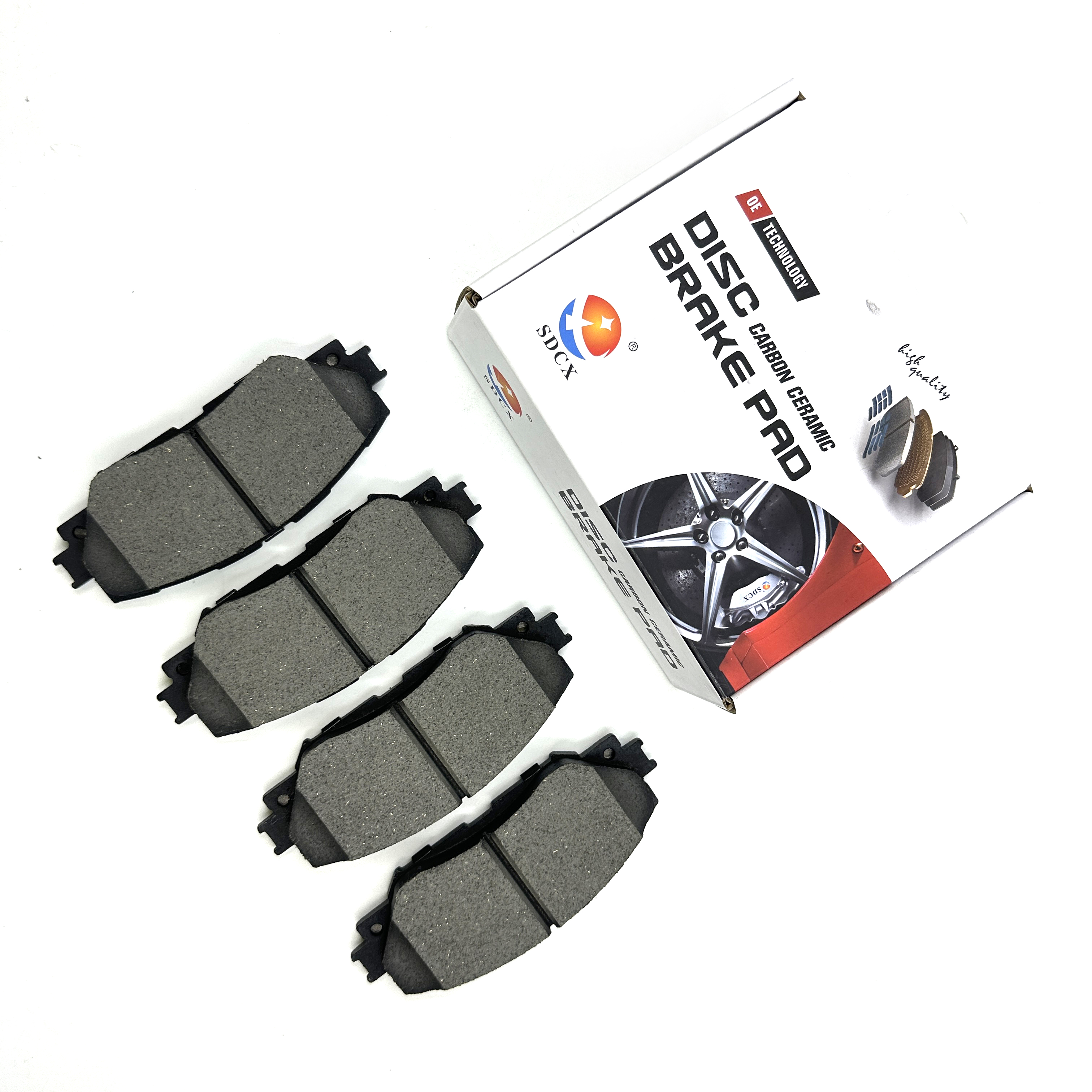
Understanding the costs and installation requirements of car brake pads is essential for every vehicle owner who wants to maintain optimal safety and performance. Modern vehicles rely heavily on their braking systems, and brake pads serve as one of the most critical components in ensuring your car stops effectively when needed. Whether you're experiencing squealing noises, reduced braking efficiency, or simply following a regular maintenance schedule, knowing what to expect regarding costs and installation procedures can help you make informed decisions about your vehicle's care.
The brake pad replacement process involves several factors that influence both the overall expense and complexity of installation. Professional mechanics typically charge different rates based on vehicle type, pad quality, geographic location, and additional services required during the replacement process. Understanding these variables helps vehicle owners budget appropriately and choose the most suitable options for their specific driving needs and financial circumstances.
Understanding Brake Pad Replacement Costs
Labor Cost Variations by Vehicle Type
Labor costs for brake pad replacement vary significantly depending on your vehicle's make, model, and design complexity. Standard passenger cars typically require 1-2 hours of labor per axle, while luxury vehicles or performance cars may demand additional time due to specialized components or accessibility challenges. Most automotive service centers charge between $80-150 per hour for brake service, meaning labor costs alone can range from $160-450 for a complete four-wheel brake pad replacement.
European luxury vehicles often require more expensive labor due to their sophisticated braking systems and the specialized knowledge needed for proper installation. Conversely, domestic and Asian vehicles generally fall within the lower end of the labor cost spectrum. The mechanic's experience level and shop location also impact hourly rates, with urban areas typically commanding higher prices than rural service centers.
Parts Pricing and Quality Considerations
Brake pad prices fluctuate based on material composition, brand reputation, and performance specifications. Economy brake pads typically cost $25-60 per set, mid-range options fall between $60-120, while premium performance pads can exceed $200 per set. Ceramic brake pads generally command higher prices due to their superior heat dissipation properties and longer lifespan, while semi-metallic options offer good performance at moderate price points.
Original Equipment Manufacturer (OEM) brake pads usually cost more than aftermarket alternatives but provide guaranteed compatibility and performance standards. Many vehicle owners choose OEM replacements for warranty compliance and peace of mind, especially during the initial years of vehicle ownership. Aftermarket options can offer excellent value when selected from reputable manufacturers with proven track records in automotive brake components.
Professional Installation vs DIY Approaches
Benefits of Professional Installation
Professional brake pad installation ensures proper procedures, safety protocols, and warranty coverage that protect both your investment and driving safety. Certified mechanics possess specialized tools, diagnostic equipment, and extensive experience handling various brake system configurations. They can identify additional issues such as warped rotors, brake fluid contamination, or caliper problems that might compromise braking performance if left unaddressed.
Professional installations typically include comprehensive inspections of the entire brake system, ensuring all components function harmoniously. Many service centers provide warranties on both parts and labor, offering recourse if problems arise after installation. Additionally, professional mechanics can properly bed new brake pads, ensuring optimal performance from the first application and extending overall component lifespan through proper break-in procedures.
DIY Installation Considerations
DIY brake pad replacement can significantly reduce costs for mechanically inclined vehicle owners who possess appropriate tools and workspace. Basic brake pad replacement requires jack stands, wrenches, C-clamps or brake piston tools, and safety equipment. However, DIY installation demands careful attention to detail, proper torque specifications, and thorough understanding of brake system mechanics to avoid potentially dangerous mistakes.
Home mechanics should consider their skill level, available time, and comfort working with critical safety systems before attempting brake pad replacement. While the potential savings are substantial, improper installation can result in brake failure, vehicle damage, or personal injury. Many automotive parts stores offer tool lending programs and technical support to assist DIY mechanics, but the responsibility for proper installation ultimately rests with the individual performing the work.
Factors Affecting Overall Replacement Costs
Geographic Location Impact
Regional differences in labor costs, parts availability, and market competition significantly influence brake pad replacement expenses. Metropolitan areas typically feature higher labor rates due to increased overhead costs, while rural locations may offer more competitive pricing but potentially limited service options. Coastal regions often experience higher parts costs due to shipping expenses and local market conditions.
Different states and provinces may have varying regulations regarding brake system modifications, environmental disposal fees, and safety inspection requirements that add to overall replacement costs. Some regions require mandatory brake system inspections following pad replacement, while others include environmental fees for proper disposal of old brake components and fluids.
Additional Services and Repairs
Brake pad replacement often reveals additional maintenance needs that can increase overall project costs. Brake rotors may require resurfacing or replacement if they show excessive wear, warping, or scoring from worn pads. Brake fluid replacement, caliper servicing, or brake line inspection might become necessary during the pad replacement process, adding to both parts and labor expenses.
Many service centers offer package deals combining car brake pads replacement with related services such as rotor resurfacing, brake fluid exchange, and comprehensive brake system inspection. While these packages increase upfront costs, they often provide better value and ensure complete brake system reliability. Addressing multiple brake system components simultaneously can prevent future problems and reduce long-term maintenance expenses.
Maximizing Value and Performance
Timing Replacement for Cost Efficiency
Strategic timing of brake pad replacement can help minimize costs and maximize component lifespan. Replacing brake pads before they wear completely prevents rotor damage that would require expensive repairs or replacement. Regular brake system inspections allow vehicle owners to plan replacement timing and take advantage of service specials or promotional pricing offered by automotive service centers.
Many repair shops offer seasonal promotions or package deals during slower business periods, providing opportunities for cost savings on brake services. Additionally, addressing brake pad replacement during scheduled maintenance visits can reduce labor costs by combining multiple services into a single appointment, minimizing diagnostic time and shop overhead allocation.
Selecting Appropriate Pad Materials
Choosing the right brake pad material for your driving conditions and vehicle requirements ensures optimal performance while managing long-term costs. Daily commuters benefit from ceramic brake pads that offer quiet operation, minimal dust production, and extended lifespan, despite higher initial costs. Performance-oriented drivers may prefer semi-metallic pads for superior stopping power and heat resistance, accepting increased noise and dust generation as acceptable trade-offs.
Organic brake pads provide economical solutions for light-duty applications and older vehicles where maximum performance isn't critical. Understanding your driving patterns, vehicle specifications, and performance expectations helps identify the most cost-effective brake pad solution that balances initial investment with long-term value and satisfaction.
Installation Tips and Best Practices
Pre-Installation Preparation
Proper preparation significantly impacts brake pad installation success and long-term performance. Vehicle owners should ensure their cars are parked on level ground with emergency brakes engaged and wheels properly chocked before beginning work. Gathering all necessary tools, replacement parts, and safety equipment prevents mid-project interruptions that could compromise installation quality or safety.
Reviewing vehicle-specific service manuals or reliable online resources provides essential information about torque specifications, bleeding procedures, and special considerations for particular brake system configurations. Taking photographs during disassembly helps ensure proper reassembly sequence and identifies any unusual wear patterns or potential problems requiring additional attention.
Post-Installation Procedures
Proper break-in procedures ensure new brake pads achieve optimal performance and longevity. New pads require gradual bedding through controlled heating and cooling cycles that establish proper friction surface contact between pads and rotors. This process typically involves several moderate stops from highway speeds followed by cooling periods, avoiding aggressive braking during the initial 200-300 miles of operation.
Following installation, brake pedal feel should be firm and responsive, with no unusual noises, vibrations, or pulling sensations during braking. Any irregularities warrant immediate professional inspection to identify and correct potential installation problems before they compromise safety or cause additional component damage. Regular monitoring during the first few weeks after installation helps ensure proper brake system operation and early detection of any developing issues.
FAQ
How much should I expect to pay for brake pad replacement
Brake pad replacement costs typically range from $150-400 per axle, including parts and labor. Economy brake pads with basic installation may cost as little as $150-200, while premium ceramic pads with comprehensive brake service can exceed $400 per axle. Total costs depend on vehicle type, pad quality, geographic location, and additional services required during replacement.
How often do brake pads need replacement
Most brake pads last between 25,000-70,000 miles, depending on driving conditions, pad material, and vehicle type. City driving with frequent stops typically reduces pad lifespan, while highway driving extends replacement intervals. Regular inspections every 12,000 miles help monitor pad wear and plan replacement timing before damage occurs to other brake system components.
Can I replace brake pads myself to save money
DIY brake pad replacement can save $100-300 in labor costs for mechanically skilled individuals with proper tools and workspace. However, brake systems are critical safety components requiring precise installation procedures and proper bleeding techniques. Inexperienced mechanics should consider professional installation to ensure safety and avoid costly mistakes that could compromise braking performance.
What signs indicate brake pads need replacement
Common indicators include squealing or grinding noises during braking, reduced brake pedal responsiveness, vibration through the steering wheel or brake pedal, and visible wear through wheel spokes. Dashboard warning lights, pulling to one side during braking, or excessive brake dust accumulation also suggest brake pad inspection and potential replacement needs.