
 EN
EN
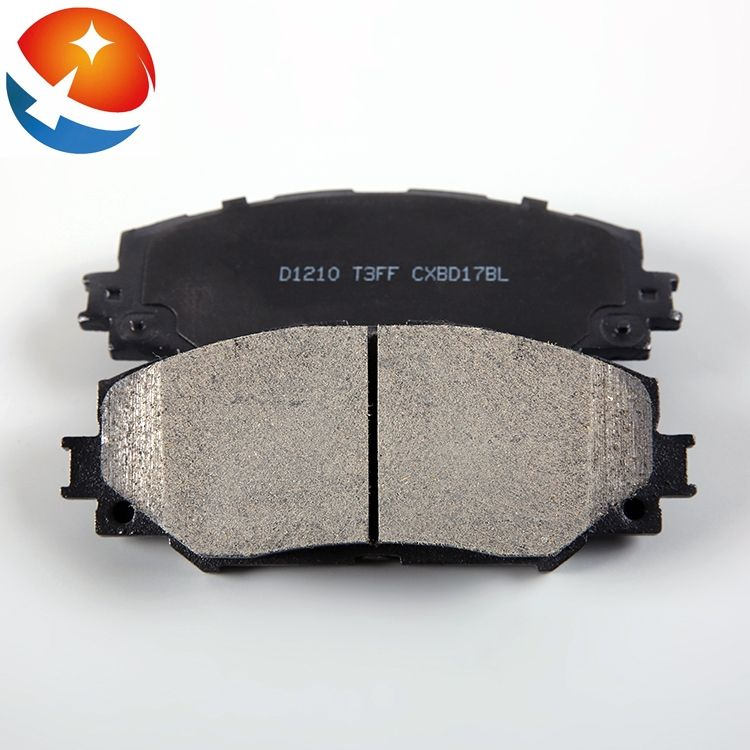
Understanding when to replace your auto brake pads is crucial for maintaining vehicle safety and optimal braking performance. The braking system represents one of the most critical safety components in any vehicle, and neglecting brake pad maintenance can lead to dangerous driving conditions and costly repairs. Most drivers overlook the subtle signs that indicate their brake pads need replacement, often waiting until they hear the unmistakable squealing sound that signals immediate attention is required. Recognizing the early warning signs and establishing a proactive maintenance schedule can prevent emergency situations and ensure your vehicle remains safe on the road.
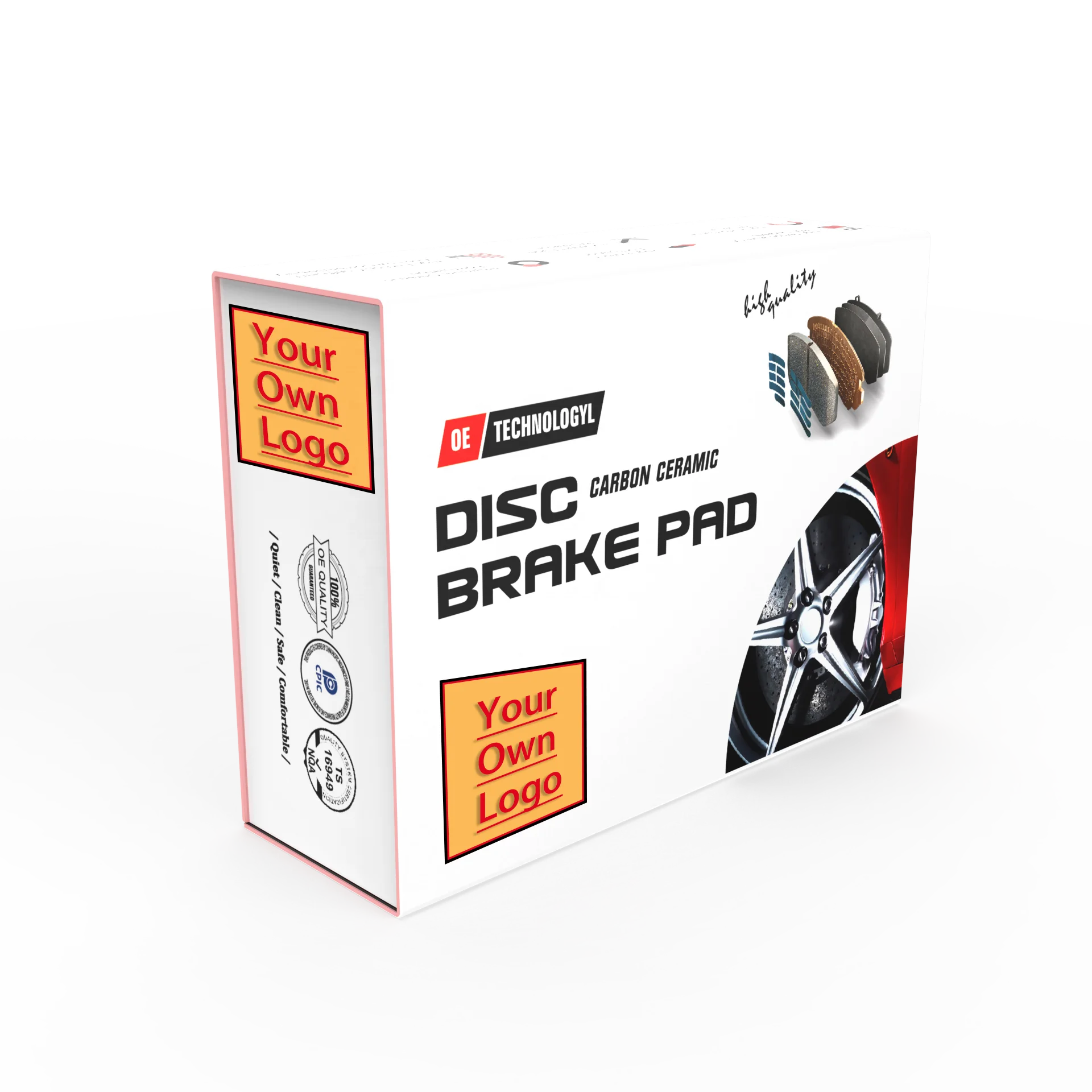
Understanding Brake Pad Wear Patterns and Indicators
Visual Inspection Techniques for Brake Pad Assessment
Regular visual inspection of your auto brake pads provides the most reliable method for determining replacement timing. Most brake pads feature wear indicators that become visible as the friction material diminishes to critical levels. These indicators typically appear as small metal tabs or grooves that contact the rotor surface when the pad thickness reaches approximately 3-4 millimeters. Professional mechanics recommend checking brake pad thickness monthly, especially for vehicles with high mileage or those subjected to frequent stop-and-go driving conditions.
The friction material on quality brake pads should measure at least 6-7 millimeters when new, providing adequate stopping power and heat dissipation. When the material thickness reduces to 3 millimeters or less, replacement becomes necessary to maintain safe braking distances and prevent damage to the brake rotors. Vehicle owners can perform basic visual inspections by looking through the wheel spokes to observe the brake pad thickness, though professional assessment ensures accurate measurement and comprehensive system evaluation.
Audio and Tactile Warning Signs
Modern brake systems incorporate built-in warning mechanisms that alert drivers when pad replacement becomes necessary. The characteristic squealing or grinding sound occurs when metal wear indicators contact the brake rotors, creating an unmistakable audible warning. This sound typically becomes more pronounced during light braking applications and may disappear under heavy braking pressure, making it essential to pay attention during normal driving conditions rather than emergency stops.
Vibration through the brake pedal or steering wheel during braking operations often indicates advanced brake pad wear or rotor surface irregularities caused by delayed maintenance. These tactile warnings suggest that the braking system requires immediate professional attention, as continued operation may result in complete brake pad failure or expensive rotor replacement. Experienced drivers learn to recognize subtle changes in pedal feel and braking responsiveness that precede more obvious warning signs.
Mileage-Based Replacement Guidelines and Driving Factors
Standard Mileage Intervals for Different Vehicle Types
Most automotive manufacturers recommend replacing auto brake pads every 25,000 to 70,000 miles, depending on vehicle type, driving conditions, and brake system design. Passenger cars typically require brake pad replacement every 30,000 to 50,000 miles under normal driving conditions, while heavy-duty vehicles or those used for towing may need more frequent replacement intervals. Performance vehicles with aggressive braking systems often require pad replacement every 15,000 to 25,000 miles due to the high-friction materials and intensive braking demands.
Fleet vehicles and commercial applications generally follow more conservative replacement schedules to ensure consistent safety standards and minimize unexpected downtime. Professional fleet managers often replace brake pads every 20,000 to 30,000 miles regardless of apparent wear levels, prioritizing preventive maintenance over reactive repairs. This approach reduces the risk of brake failure and maintains predictable maintenance costs across large vehicle populations.
Environmental and Driving Condition Impact
Urban driving conditions significantly accelerate brake pad wear compared to highway driving, as frequent stops and starts generate more heat and friction than sustained cruising speeds. City drivers may need to replace their auto brake pads every 20,000 to 30,000 miles, while highway-focused vehicles may achieve 50,000 to 70,000 miles between replacements. Mountain driving and frequent trailer towing create additional stress on braking systems, often requiring replacement intervals similar to urban driving conditions despite lower overall mileage.
Weather conditions and road surface quality also influence brake pad longevity, with wet and sandy environments accelerating wear rates compared to clean, dry conditions. Drivers in coastal areas may experience faster brake pad deterioration due to salt corrosion and increased moisture exposure, while those in dusty or construction-heavy areas face accelerated wear from abrasive particles. Understanding these environmental factors helps vehicle owners establish appropriate maintenance schedules tailored to their specific operating conditions.
Safety Implications and Performance Considerations
Braking Distance and Emergency Stopping Power
Worn brake pads dramatically increase stopping distances and reduce emergency braking effectiveness, creating dangerous situations during critical driving moments. Research indicates that brake pads worn beyond recommended limits can increase stopping distances by 15-30% compared to properly maintained systems, potentially meaning the difference between avoiding an accident and experiencing a collision. The relationship between pad thickness and braking performance becomes particularly critical at highway speeds where even small increases in stopping distance can have severe consequences.
Temperature management represents another crucial safety consideration, as worn brake pads generate excessive heat during braking operations, leading to brake fade and reduced stopping power. Quality brake pads maintain consistent friction characteristics across various temperature ranges, while worn pads may experience sudden performance drops during extended braking periods. This thermal management becomes especially important during mountain driving or emergency braking situations where sustained brake application is required.
Impact on Related Brake System Components
Delaying brake pad replacement often results in damage to brake rotors, calipers, and hydraulic components, significantly increasing repair costs beyond simple pad replacement. When brake pads wear completely, metal backing plates contact the rotors directly, creating deep grooves and surface irregularities that require rotor resurfacing or replacement. This secondary damage can triple or quadruple the total repair cost compared to timely pad replacement alone.
Brake fluid contamination may occur when worn pads allow excessive heat buildup, causing fluid degradation and potential seal failure in brake calipers or master cylinders. These cascade failures demonstrate why proactive brake pad maintenance represents both a safety imperative and a cost-effective approach to vehicle ownership. Professional brake system inspection during pad replacement ensures all related components receive appropriate attention and maintenance.
Professional vs DIY Replacement Considerations
Technical Requirements and Safety Protocols
Brake pad replacement requires specialized tools, proper lifting equipment, and comprehensive understanding of hydraulic brake system operation to ensure safe and effective installation. Professional technicians possess the experience and equipment necessary to properly bed new brake pads, ensuring optimal friction characteristics and maximum service life. The bedding process involves controlled heating and cooling cycles that establish proper contact patterns between pads and rotors, directly affecting long-term performance and wear characteristics.
Safety protocols during brake pad replacement include proper vehicle securing, hydraulic system pressure relief, and contamination prevention measures that protect brake fluid quality. Improper installation procedures can result in brake failure, uneven pad wear, or reduced stopping power, making professional installation advisable for most vehicle owners. Additionally, professional shops provide warranties on parts and labor that protect consumers against defective components or installation errors.
Quality Assurance and Component Compatibility
Professional brake service providers maintain relationships with quality parts suppliers and understand compatibility requirements across different vehicle makes and models. They can recommend appropriate brake pad compounds for specific driving conditions, whether ceramic pads for quiet operation, semi-metallic pads for high-performance applications, or organic pads for standard driving requirements. This expertise ensures optimal brake pad selection based on individual driving patterns and vehicle specifications.
Warranty coverage and professional liability insurance provide additional protection for consumers choosing professional brake pad replacement services. Qualified technicians can identify related brake system issues during pad replacement, potentially preventing future failures or safety concerns. This comprehensive approach to brake system maintenance extends beyond simple pad replacement to include system-wide evaluation and preventive maintenance recommendations.
FAQ
How often should I inspect my brake pads for wear
Vehicle owners should visually inspect their brake pads monthly and have professional brake system inspections performed every 12,000 miles or during routine oil changes. Regular inspection allows early detection of wear patterns and helps establish personalized replacement schedules based on individual driving conditions. Professional inspections provide more accurate measurements and comprehensive system evaluation beyond simple visual assessment.
What happens if I continue driving with worn brake pads
Continuing to drive with severely worn brake pads can result in complete brake failure, damaged rotors, and potential accidents due to increased stopping distances. The metal backing plates will contact the rotors directly, creating expensive damage and potentially dangerous braking conditions. Emergency brake pad replacement becomes significantly more costly when rotor replacement or resurfacing becomes necessary due to delayed maintenance.
Are expensive brake pads worth the additional cost
Higher-quality brake pads typically offer longer service life, better performance characteristics, and improved safety margins compared to economy alternatives. Premium pads often provide quieter operation, reduced dust generation, and more consistent performance across various driving conditions. The total cost of ownership frequently favors quality brake pads due to extended replacement intervals and reduced impact on related brake system components.
Can weather conditions affect when I need brake pad replacement
Weather conditions significantly influence brake pad wear rates, with wet, sandy, or salt-exposed environments accelerating deterioration compared to clean, dry conditions. Drivers in harsh climates may need more frequent brake pad replacement and should adjust their inspection schedules accordingly. Seasonal driving pattern changes, such as winter mountain driving or summer towing activities, may also require modified maintenance intervals to ensure optimal safety and performance.