
 EN
EN
When automotive engineers design braking systems, they carefully consider the vehicle's weight, intended use, and performance requirements to ensure optimal safety and efficiency. However, when brake rotors are not properly matched to vehicle load demands, a cascade of serious problems can emerge that compromise both safety and vehicle performance. Understanding these issues is crucial for fleet managers, automotive professionals, and vehicle owners who want to maintain optimal braking performance while avoiding costly repairs and potential safety hazards.
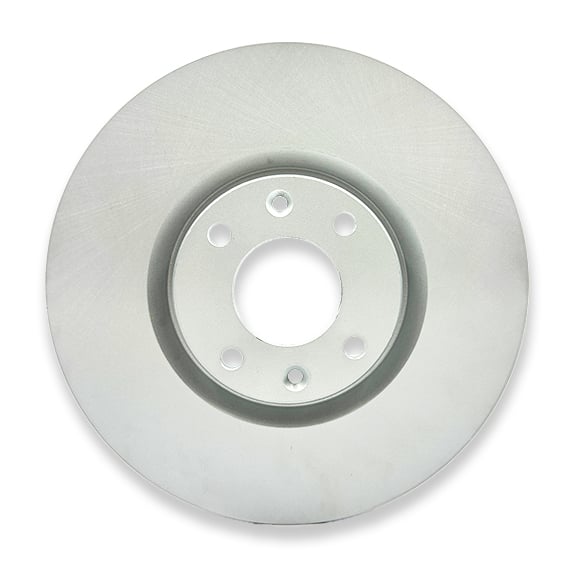
The relationship between vehicle load and brake rotor specifications represents a critical engineering balance that affects every aspect of braking performance. Modern vehicles operate under varying load conditions, from empty passenger cars to fully loaded commercial trucks, and each scenario demands specific brake rotor characteristics to maintain safe stopping distances and consistent performance. When this balance is disrupted by incorrect rotor selection, the consequences extend far beyond simple performance degradation.
Heat Dissipation Problems and Thermal Management Issues
Excessive Heat Buildup in Undersized Rotors
When brake rotors are undersized for the vehicle's load demands, they cannot adequately dissipate the tremendous heat generated during braking operations. This thermal overload occurs because smaller rotors have insufficient surface area and thermal mass to absorb and disperse the kinetic energy being converted to heat. The result is rapid temperature escalation that can reach critical levels within minutes of intensive braking, particularly in heavy-duty applications or mountainous driving conditions.
The physics of heat generation in braking systems follows predictable patterns, but when brake rotors are mismatched to load requirements, these patterns become dangerously amplified. Heavy vehicles or those carrying substantial loads generate proportionally more kinetic energy that must be converted to heat during braking. Undersized rotors struggle to handle this thermal load, leading to surface temperatures that can exceed safe operational limits and cause immediate performance degradation.
Brake Fade and Performance Deterioration
Thermal overload in improperly sized brake rotors inevitably leads to brake fade, a phenomenon where braking effectiveness diminishes as temperatures rise beyond optimal ranges. This occurs because excessive heat alters the friction characteristics of both the rotor surface and brake pad materials, creating a dangerous reduction in stopping power precisely when maximum braking performance is needed. Fleet operators often discover this problem during demanding driving conditions when vehicle safety margins are already reduced.
The progression of brake fade in mismatched systems follows a predictable but dangerous pattern. Initial symptoms include increased pedal travel and reduced responsiveness, followed by complete loss of braking effectiveness in severe cases. This thermal-induced performance loss is particularly problematic because it occurs gradually, allowing drivers to unknowingly operate vehicles with compromised braking capability until emergency situations reveal the full extent of the problem.
Structural Damage and Component Failure Patterns
Rotor Warping and Distortion Issues
Excessive thermal cycling in mismatched brake rotors creates metallurgical stress patterns that lead to warping and distortion of the rotor surface. This warping occurs because different areas of the rotor experience uneven heating and cooling cycles, causing differential expansion and contraction that permanently deforms the metal structure. The resulting surface irregularities create vibration, pulsation, and uneven wear patterns that compromise both braking performance and driver comfort.
The metallurgical changes that occur in overheated brake rotors extend beyond simple surface warping to include deeper structural modifications that affect the material's fundamental properties. High-carbon cast iron rotors, which represent the majority of automotive applications, become particularly susceptible to stress cracking and dimensional instability when subjected to thermal loads beyond their design parameters. These changes are often irreversible and require complete rotor replacement rather than simple resurfacing.
Accelerated Wear and Premature Failure
When brake rotors operate beyond their intended load capacity, wear rates accelerate dramatically due to increased friction temperatures and mechanical stress. This accelerated wear manifests as rapid material loss from both rotor surfaces and brake pads, leading to shortened service intervals and increased maintenance costs. The relationship between load mismatch and wear acceleration is not linear but exponential, meaning small increases in operating stress can result in disproportionately large reductions in component life.
The economic impact of premature brake rotor failure extends beyond simple replacement costs to include downtime, labor expenses, and potential cascade failures in related components. When rotors fail prematurely due to load mismatch, the resulting damage often affects brake calipers, hydraulic lines, and suspension components, creating a ripple effect of maintenance requirements that can significantly impact vehicle operating costs and availability.
Safety Implications and Performance Degradation
Extended Stopping Distances and Reduced Control
The most critical consequence of mismatched brake rotors is the extension of stopping distances, particularly under heavy load conditions where maximum braking performance is essential. When rotors cannot adequately handle thermal loads, their friction coefficient decreases, requiring longer distances to bring vehicles to a complete stop. This performance degradation is particularly dangerous in emergency situations where every foot of stopping distance can mean the difference between a safe stop and a collision.
Vehicle control during braking operations becomes increasingly problematic when brake rotors are not properly matched to load demands. Uneven heat distribution and thermal distortion create variations in braking force between wheels, leading to pulling, veering, and reduced directional stability during braking events. These control issues are magnified at higher speeds and under heavy load conditions, creating safety hazards that extend beyond the immediate vehicle to affect other traffic participants.
System Integration and Component Interaction Problems
Modern vehicles incorporate sophisticated braking system technologies including ABS, traction control, and stability management systems that rely on consistent and predictable brake rotor performance. When brake rotors are mismatched to vehicle loads, these electronic systems cannot function properly because their algorithms assume specific performance characteristics that are no longer present. This technological disconnect can result in unexpected system interventions or failures that compromise vehicle safety and driver confidence.
The integration challenges extend to interactions between brake rotors and other vehicle systems including suspension geometry, tire performance, and powertrain management. Excessive heat generation from overloaded rotors can affect nearby components including wheel bearings, suspension bushings, and tire sidewalls, creating a complex web of performance degradation that affects overall vehicle dynamics and safety margins.
Economic Impact and Maintenance Considerations
Increased Operating Costs and Maintenance Frequency
The financial implications of using inappropriately sized brake rotors extend far beyond initial purchase price considerations to encompass ongoing operational expenses that can significantly impact total cost of ownership. When rotors are undersized for load demands, maintenance intervals decrease dramatically as components wear at accelerated rates and require more frequent replacement. This increased maintenance frequency affects not only parts costs but also labor expenses and vehicle downtime that can disrupt operational schedules.
Fleet operators often discover that the false economy of using smaller or less expensive brake rotors creates long-term financial burdens that far exceed any initial savings. The cascade effect of premature failures means that mismatched rotors often damage other brake system components, leading to comprehensive repairs that can cost several times more than proper initial specification would have required.
Warranty and Liability Concerns
Using brake rotors that are not properly matched to vehicle load specifications can void manufacturer warranties and create liability issues in case of accidents or component failures. Insurance companies and legal systems increasingly scrutinize maintenance practices and component specifications when investigating brake-related incidents, making proper rotor selection not just a performance issue but a legal necessity for commercial operators.
The documentation requirements for proper brake rotor specification have become increasingly important as regulatory oversight intensifies and liability standards evolve. Fleet managers must maintain detailed records of component specifications and installation practices to demonstrate compliance with safety standards and manufacturer recommendations, making proper rotor matching an essential administrative as well as technical requirement.
Proper Selection Criteria and Best Practices
Load Analysis and Specification Requirements
Selecting appropriate brake rotors requires comprehensive analysis of vehicle operating conditions including maximum loads, duty cycles, environmental factors, and performance expectations. This analysis must consider not only static weight specifications but also dynamic loading conditions that occur during acceleration, cornering, and braking events. Professional brake system engineers use sophisticated calculation methods to determine optimal rotor specifications that provide adequate safety margins while maintaining cost-effectiveness.
The specification process for brake rotors involves multiple technical parameters including diameter, thickness, venting design, and material composition, each of which must be optimized for specific load and performance requirements. Modern brake rotor designs incorporate advanced metallurgy and thermal management features that can significantly improve performance when properly matched to application requirements, but these benefits are lost when rotors are incorrectly specified.
Quality Standards and Performance Verification
Ensuring proper brake rotor performance requires adherence to established quality standards and verification procedures that confirm components meet specification requirements under actual operating conditions. This verification process includes thermal testing, dimensional analysis, and material certification that demonstrates rotor capability under maximum load scenarios. Quality brake rotors undergo rigorous testing protocols that simulate years of operation under demanding conditions to ensure reliable performance throughout their service life.
The implementation of quality assurance procedures for brake rotors extends beyond initial installation to include ongoing monitoring and maintenance practices that ensure continued performance compliance. Regular inspection schedules, temperature monitoring, and wear measurement protocols help identify potential problems before they develop into safety hazards or expensive failures, making proactive maintenance an essential component of proper brake system management.
FAQ
How do I determine if my brake rotors are properly sized for my vehicle's load requirements?
Proper brake rotor sizing requires professional analysis of your vehicle's gross vehicle weight rating, typical load conditions, and operating environment. Consult manufacturer specifications and consider factors such as towing capacity, cargo weight, and driving conditions including mountain driving or frequent stop-and-go traffic. Professional brake system engineers can perform load analysis calculations to ensure your rotors provide adequate thermal capacity and stopping performance for your specific application requirements.
What are the early warning signs that brake rotors are not matched to vehicle load demands?
Early indicators include increased brake pedal travel, vibration during braking, unusual noises such as grinding or squealing, and visible discoloration or heat damage on rotor surfaces. You may also notice longer stopping distances, brake fade during demanding driving conditions, and uneven tire wear patterns. If you experience any of these symptoms, have your brake system inspected immediately by qualified professionals to prevent potential safety hazards and more extensive damage.
Can oversized brake rotors cause problems, or is bigger always better?
While oversized brake rotors generally provide better thermal capacity and performance, they can create problems including increased unsprung weight that affects suspension performance, potential interference with wheels and suspension components, and altered brake bias that may compromise ABS and stability control systems. Additionally, larger rotors increase costs and may provide unnecessary capability for lighter vehicles, making proper sizing optimization important for both performance and economic considerations.
How often should brake rotors be inspected on heavily loaded vehicles?
Heavily loaded vehicles should have brake rotors inspected every 10,000 to 15,000 miles or according to manufacturer recommendations, whichever is more frequent. Commercial vehicles and those regularly operating at maximum load capacity may require more frequent inspections every 5,000 to 10,000 miles. These inspections should include thickness measurements, surface condition assessment, and thermal damage evaluation to ensure continued safe operation and prevent unexpected failures during critical braking situations.
Table of Contents
- Heat Dissipation Problems and Thermal Management Issues
- Structural Damage and Component Failure Patterns
- Safety Implications and Performance Degradation
- Economic Impact and Maintenance Considerations
- Proper Selection Criteria and Best Practices
-
FAQ
- How do I determine if my brake rotors are properly sized for my vehicle's load requirements?
- What are the early warning signs that brake rotors are not matched to vehicle load demands?
- Can oversized brake rotors cause problems, or is bigger always better?
- How often should brake rotors be inspected on heavily loaded vehicles?