
 EN
EN
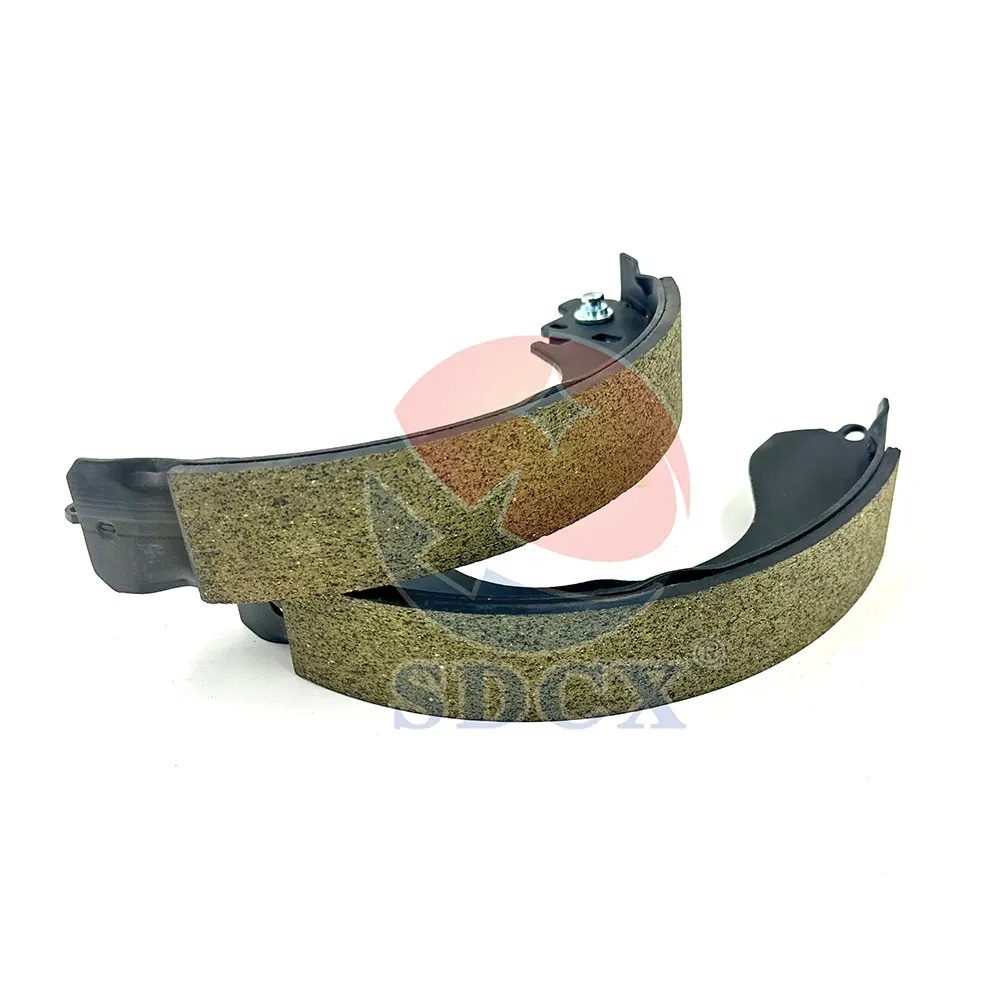
The material selection of brake shoes plays a crucial role in determining both noise levels and braking smoothness in automotive applications. Modern brake shoes utilize various friction materials that directly impact performance characteristics, with each material offering distinct advantages and trade-offs. Understanding these material properties helps automotive professionals and consumers make informed decisions about brake system components. The choice of friction material affects not only the immediate braking performance but also long-term durability, maintenance requirements, and overall driving experience.
Understanding Friction Material Composition in Brake Systems
Organic Friction Materials and Their Impact
Organic friction materials represent one of the most common choices for brake shoes in passenger vehicles due to their excellent noise characteristics and smooth engagement. These materials typically contain cellulose fibers, aramid fibers, and various organic resins that create a softer friction surface. The softer composition of organic brake shoes results in quieter operation with minimal squealing or grinding noises during normal braking conditions. However, the trade-off involves reduced heat resistance and faster wear rates compared to harder materials.
The smooth braking feel associated with organic brake shoes stems from their ability to conform to the drum surface, creating consistent contact pressure across the friction surface. This conformability reduces harsh grabbing sensations and provides predictable pedal response that drivers appreciate in daily driving situations. Organic materials also produce less dust compared to metallic alternatives, contributing to cleaner wheel wells and reduced environmental impact.
Semi-Metallic Formulations for Enhanced Performance
Semi-metallic brake shoes incorporate steel wool, iron particles, and copper fibers mixed with organic binding agents to achieve improved heat dissipation and durability. These materials typically generate more noise than purely organic formulations due to the metallic content creating harder contact points with the drum surface. The increased hardness provides better fade resistance under heavy braking conditions but may result in more pronounced squealing, especially when cold or during light braking applications.
The enhanced thermal conductivity of semi-metallic brake shoes helps maintain consistent friction coefficients across varying temperature ranges. This thermal stability translates to more predictable braking performance during extended use, making these materials popular for commercial vehicles and performance applications where consistent stopping power outweighs noise considerations. The harder material composition also extends service life, reducing replacement frequency and long-term maintenance costs.
Ceramic Technology and Advanced Material Solutions
Ceramic Composite Benefits for Noise Reduction
Ceramic brake shoes represent the premium end of friction material technology, offering exceptional noise reduction capabilities combined with smooth braking characteristics. These advanced materials utilize ceramic fibers and non-metallic fillers that create a stable friction surface with minimal noise generation. The ceramic composition resists the stick-slip phenomenon that commonly causes brake squealing in traditional materials, resulting in virtually silent operation under most driving conditions.
The superior smoothness of ceramic brake shoes derives from their consistent friction coefficient across temperature ranges and the elimination of metallic particles that can cause irregular contact patterns. This consistency provides drivers with precise pedal feel and predictable braking response, particularly beneficial in luxury vehicles where refinement is paramount. Additionally, ceramic materials produce significantly less brake dust, maintaining cleaner wheel appearances and reducing environmental contamination.
Low-Metallic and NAO Formulations
Low-metallic brake shoes contain reduced amounts of steel and iron compared to traditional semi-metallic formulations while maintaining enhanced performance characteristics. This balanced approach aims to minimize noise generation while preserving the thermal advantages of metallic content. The carefully controlled metallic percentage allows these brake shoes to achieve good heat dissipation without the excessive noise associated with higher metallic content materials.
Non-Asbestos Organic (NAO) formulations represent another approach to achieving quiet, smooth braking performance using synthetic fibers and organic materials. These brake shoes eliminate metallic content entirely, focusing on fiber reinforcement and advanced resin systems to provide adequate friction and wear characteristics. NAO materials excel in noise reduction applications where premium smoothness justifies potential compromises in extreme temperature performance or service life.
Environmental Factors Affecting Material Performance
Temperature Sensitivity and Fade Characteristics
The temperature sensitivity of different brake shoes materials significantly influences both noise levels and braking smoothness throughout their operating range. Organic materials tend to become noisier as temperatures increase due to resin degradation and fiber breakdown, while also experiencing reduced friction coefficients that affect braking feel. Understanding these temperature-related changes helps predict when noise issues might occur and how braking characteristics will evolve during extended use.
Ceramic and semi-metallic brake shoes demonstrate superior temperature stability, maintaining consistent friction properties and noise levels across broader temperature ranges. This stability translates to more predictable braking behavior during mountain driving, heavy towing, or repeated stop-and-go conditions where brake temperatures fluctuate significantly. The reduced temperature sensitivity also means less variation in pedal feel and noise characteristics between cold starts and normal operating conditions.
Moisture and Contamination Effects
Environmental moisture exposure affects different brake shoes materials in distinct ways that influence both noise generation and braking smoothness. Organic materials may absorb moisture, leading to temporary changes in friction characteristics and potential for increased noise until the moisture evaporates. Semi-metallic formulations can develop surface rust on metallic particles, creating irregular contact surfaces that generate noise and affect smooth engagement.
Ceramic brake shoes demonstrate excellent resistance to moisture-related performance changes, maintaining consistent friction properties and quiet operation even in humid or wet conditions. This resistance makes ceramic materials particularly valuable in coastal environments or regions with frequent precipitation where moisture-related brake noise commonly affects other material types. The superior environmental stability of ceramic formulations contributes to their premium positioning in the market despite higher initial costs.
Installation and Break-In Considerations for Optimal Performance
Proper Bedding Procedures for Different Materials
The break-in process for new brake shoes varies significantly between material types and directly impacts both noise levels and braking smoothness during the initial service period. Organic brake shoes typically require gentle bedding procedures with moderate braking applications to allow the friction material to conform properly to the drum surface. Aggressive initial use can cause glazing or uneven wear patterns that result in persistent noise issues and compromised braking feel throughout the service life.
Semi-metallic and ceramic brake shoes benefit from more structured bedding procedures that involve controlled heating and cooling cycles to establish proper friction surface characteristics. These materials may exhibit increased noise during the initial break-in period as contact surfaces stabilize and achieve optimal mating with the drum. Understanding these temporary characteristics helps set appropriate expectations and prevents premature replacement of properly functioning components.
Surface Preparation and Drum Condition Impact
The condition of brake drums significantly influences how different brake shoes materials perform regarding noise and smoothness characteristics. Rough or grooved drum surfaces can cause even premium ceramic brake shoes to generate noise and provide inconsistent braking feel. Proper drum resurfacing or replacement ensures that new friction materials can achieve their designed performance characteristics without interference from surface irregularities.
Different material types respond differently to drum surface conditions, with harder semi-metallic brake shoes being more tolerant of minor surface imperfections compared to softer organic materials. However, all materials benefit from properly prepared drum surfaces that provide uniform contact patterns and eliminate potential noise sources. The investment in proper drum preparation often proves cost-effective by maximizing the performance and service life of premium friction materials.
FAQ
Which brake shoes material offers the quietest operation?
Ceramic brake shoes typically provide the quietest operation due to their stable friction characteristics and resistance to the stick-slip phenomenon that causes squealing. These materials maintain low noise levels across temperature ranges and operating conditions, making them ideal for luxury vehicles and noise-sensitive applications. While organic materials can also be very quiet, they may develop noise issues as they wear or encounter temperature extremes.
How does material hardness affect braking smoothness?
Softer brake shoes materials like organic formulations generally provide smoother initial engagement and better pedal feel modulation, while harder materials may feel more abrupt or grabby during light braking. However, harder materials often maintain more consistent feel across temperature ranges and wear states. The optimal balance depends on specific vehicle requirements and driver preferences for pedal response characteristics.
Can switching brake shoes materials eliminate existing noise problems?
Switching to premium ceramic or properly formulated organic brake shoes can significantly reduce noise issues, but success depends on addressing underlying causes such as drum condition, hardware problems, or contamination. Simply changing materials without addressing root causes may provide only temporary improvement. A comprehensive inspection and proper installation procedures are essential for achieving lasting noise reduction benefits.
What factors should guide material selection for commercial vehicles?
Commercial vehicle brake shoes selection should prioritize durability, heat resistance, and consistent performance over noise considerations, making semi-metallic or specialized heavy-duty organic formulations most appropriate. These applications typically benefit from materials that maintain friction coefficients under sustained use and elevated temperatures. While noise may be higher than premium passenger car materials, the performance and longevity advantages justify this trade-off in commercial applications.