
 EN
EN
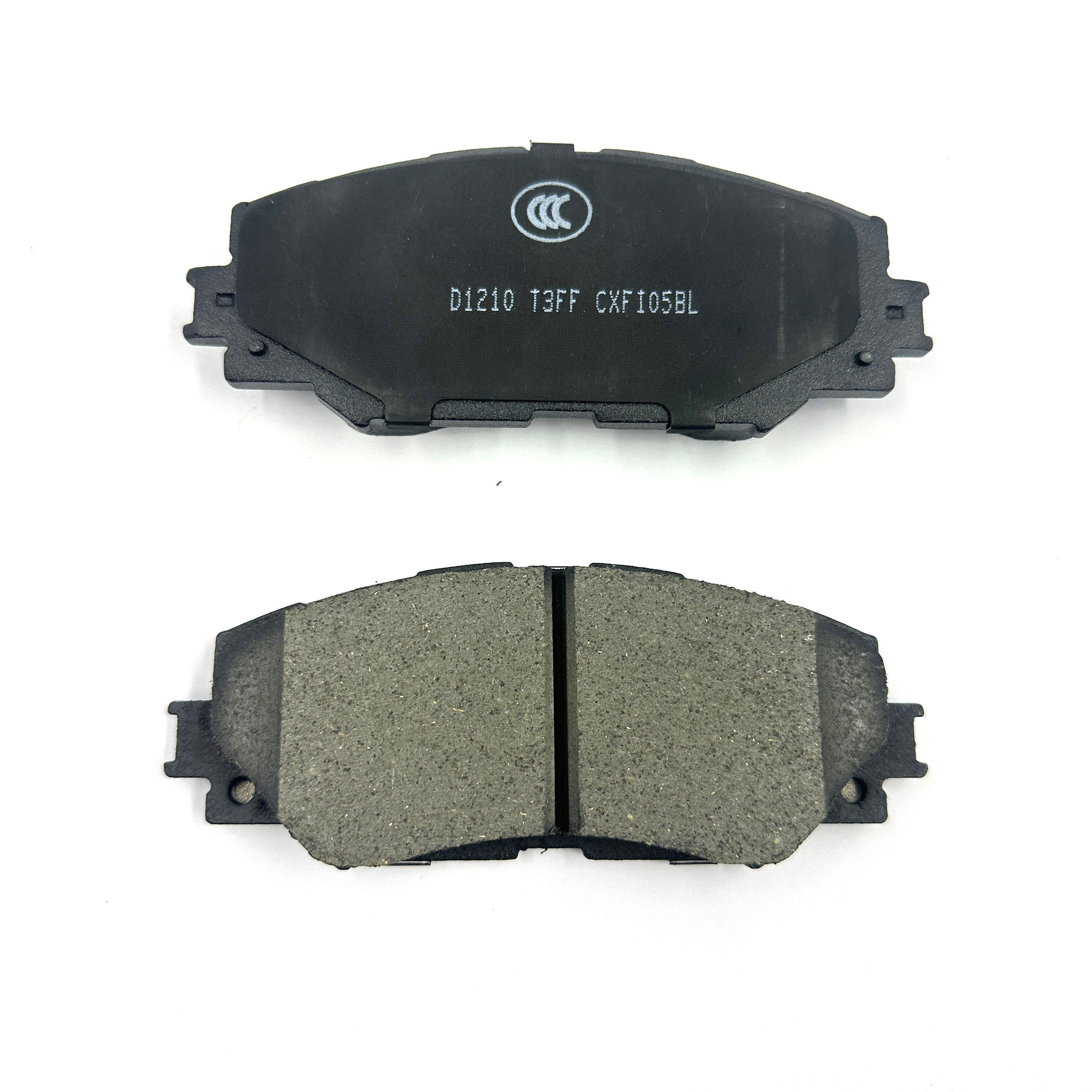
Vehicle safety depends critically on the proper maintenance and timely replacement of essential braking components. When brake shoes wear beyond acceptable limits, the consequences extend far beyond simple inconvenience, creating serious operational risks that can endanger lives and result in significant financial losses. Understanding these risks and implementing proactive maintenance strategies is essential for fleet operators, commercial vehicle owners, and individual drivers who depend on reliable braking performance for daily operations.
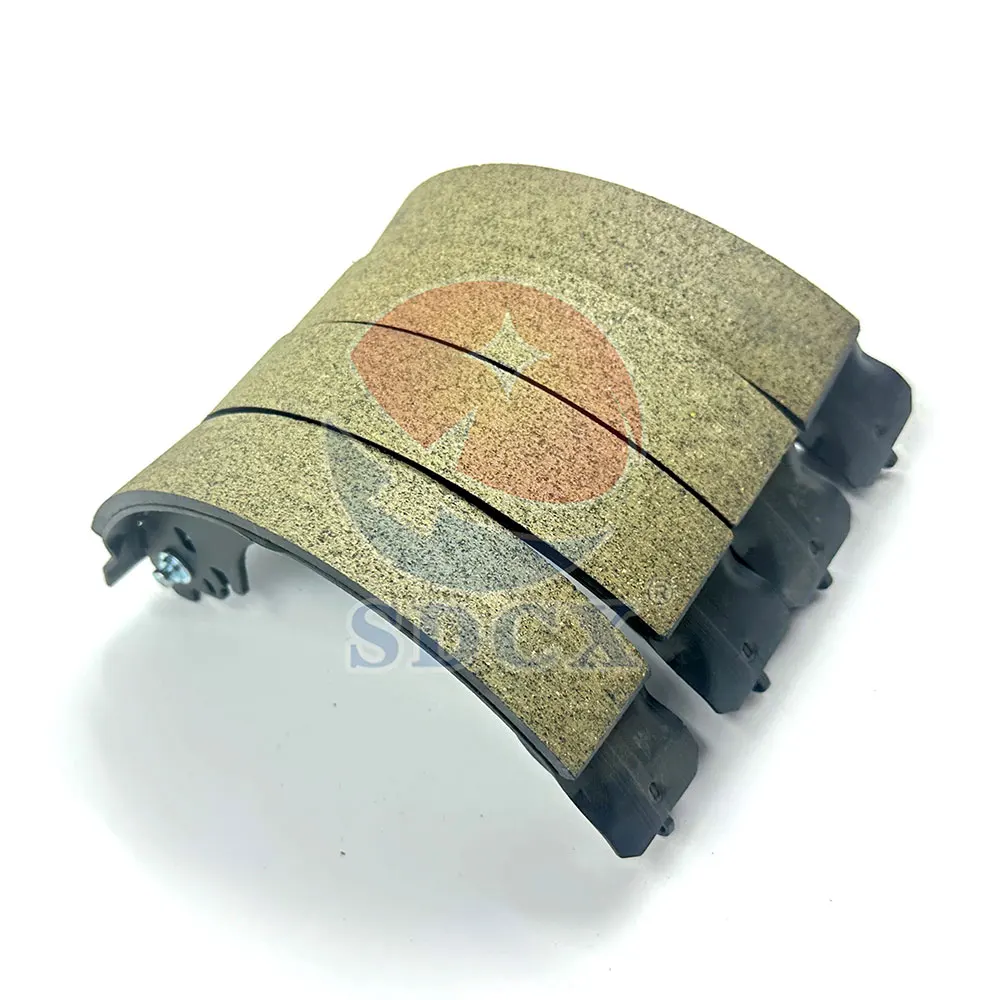
The automotive industry recognizes that brake shoes represent one of the most critical wear components in drum brake systems. These friction materials undergo constant stress during vehicle operation, gradually deteriorating through heat, pressure, and mechanical wear. When replacement schedules are neglected or postponed, the resulting operational risks compound exponentially, affecting not only the primary vehicle but potentially impacting other road users and business operations.
Critical Safety Hazards from Worn Brake Shoes
Reduced Stopping Power and Distance
When brake shoes exceed their service life, the friction material becomes dangerously thin, severely compromising the vehicle's ability to stop effectively. This reduction in braking force translates directly into increased stopping distances, particularly dangerous in emergency situations where every foot matters. Commercial vehicles carrying heavy loads experience even more pronounced effects, as the worn brake shoes struggle to generate sufficient friction against the brake drums.
The physics of braking clearly demonstrate that as friction material thickness decreases, the coefficient of friction drops significantly. This deterioration occurs gradually, often masking the severity of the problem until a critical situation arises. Fleet managers who delay brake shoes replacement frequently discover that their vehicles require nearly double the normal stopping distance, creating liability concerns and operational inefficiencies that far exceed the cost of timely maintenance.
Brake Fade and Heat Management Issues
Worn brake shoes generate excessive heat during braking operations, leading to a phenomenon known as brake fade. This condition occurs when the friction material overheats and temporarily loses its ability to create adequate stopping force. The situation becomes particularly dangerous during prolonged braking scenarios, such as descending steep grades or navigating heavy traffic conditions where frequent brake application is necessary.
The thermal dynamics of deteriorated brake shoes create a cascading effect where increased heat generation leads to further material degradation. This cycle accelerates wear patterns and can result in sudden, catastrophic brake failure. Professional mechanics consistently observe that vehicles with overdue brake shoes replacement exhibit thermal damage patterns that extend beyond the friction material itself, often requiring complete brake system overhauls rather than simple component replacement.
Mechanical Component Damage and System Failures
Brake Drum Scoring and Surface Damage
Operating vehicles with excessively worn brake shoes inevitably leads to metal-on-metal contact between the shoe backing plate and the brake drum surface. This condition creates deep scoring marks, heat stress fractures, and dimensional changes that render the entire braking system unreliable. The cost of replacing damaged brake drums typically exceeds the original brake shoes replacement cost by a factor of three to five, making delayed maintenance economically counterproductive.
Brake drum damage patterns provide clear forensic evidence of maintenance neglect, often appearing as circumferential grooves, heat spots, and dimensional distortion. These conditions compromise the drum's ability to dissipate heat effectively and create vibration issues that affect vehicle handling characteristics. Insurance investigations frequently cite brake drum damage as evidence of poor maintenance practices, potentially affecting coverage decisions in accident claims.
Hydraulic System Contamination and Failure
Worn brake shoes often contribute to hydraulic system problems through increased fluid temperatures and contamination from friction material particles. As the brake shoes deteriorate, debris enters the brake fluid system, accelerating corrosion of hydraulic components including wheel cylinders, brake lines, and master cylinders. This contamination creates a comprehensive system failure that requires extensive repairs and component replacement throughout the entire braking network.
The hydraulic implications of delayed brake shoes replacement extend beyond immediate braking performance to long-term system reliability. Contaminated brake fluid loses its corrosion inhibition properties and thermal stability, leading to internal seal degradation and fluid leakage issues. Fleet maintenance records consistently show that vehicles with overdue brake shoes replacement experience hydraulic system failures at rates significantly higher than properly maintained units.
Operational and Financial Impact Assessment
Vehicle Downtime and Service Disruption
The operational consequences of brake shoes failure extend well beyond the immediate safety concerns, creating significant business disruptions through unplanned vehicle downtime. When brake shoes reach critical wear levels, vehicles must be removed from service immediately, often stranding loads and disrupting delivery schedules. Emergency brake repairs typically cost significantly more than scheduled maintenance and may require specialized towing services or mobile repair units.
Commercial operators report that emergency brake shoes replacement scenarios often involve cascading delays affecting multiple customers and operational commitments. The ripple effects include missed delivery windows, customer dissatisfaction, and potential contract penalties that far exceed the cost of proactive maintenance programs. Insurance companies increasingly scrutinize maintenance records when processing claims related to brake system failures, often reducing settlements when negligent maintenance practices are documented.
Legal Liability and Regulatory Compliance
Operating vehicles with worn brake shoes creates substantial legal liability exposure, particularly for commercial operators subject to Department of Transportation regulations and safety inspections. Federal Motor Carrier Safety Administration guidelines specifically address brake system maintenance requirements, with severe penalties for operators who fail to maintain adequate braking performance standards. State inspection programs increasingly focus on brake system condition, with immediate out-of-service orders for vehicles with inadequate brake shoes thickness.
Legal precedent clearly establishes that vehicle operators bear responsibility for maintaining safe braking systems regardless of whether specific problems were known at the time of an incident. Court decisions consistently hold that reasonable maintenance practices should prevent brake shoes from reaching dangerous wear levels, making delayed replacement a clear indication of negligent vehicle operation. Insurance carriers frequently invoke maintenance clauses to reduce or deny coverage when accidents involve vehicles with documented brake system neglect.
Industry Best Practices for Brake Shoes Maintenance
Proactive Inspection and Replacement Scheduling
Professional fleet managers implement systematic brake shoes inspection programs that identify wear patterns before critical thresholds are reached. These programs typically involve monthly visual inspections, quarterly measurement checks, and annual comprehensive brake system evaluations performed by certified technicians. Advanced fleets utilize predictive maintenance technologies including brake temperature monitoring and wear sensors that provide early warning of brake shoes degradation.
Effective brake shoes maintenance programs establish replacement schedules based on actual operating conditions rather than simple mileage intervals. Factors including load weights, driving terrain, climate conditions, and operator behavior patterns significantly influence brake wear rates. Fleet maintenance software systems track these variables to optimize replacement timing and minimize both premature replacement costs and dangerous wear conditions.
Quality Component Selection and Installation Standards
The selection of appropriate brake shoes specifications directly impacts operational safety and maintenance intervals. Premium friction materials designed for specific vehicle applications and operating conditions provide superior performance characteristics including improved heat dissipation, longer service life, and more consistent friction coefficients throughout their useful life. Professional installation practices ensure proper adjustment, bedding procedures, and system integration that maximizes brake shoes effectiveness and longevity.
Quality brake shoes installation requires specialized tools, proper torque specifications, and comprehensive system testing to verify performance standards. Certified technicians understand the critical relationship between brake shoes adjustment and overall system performance, ensuring that new components integrate properly with existing hardware. Post-installation procedures including proper bedding cycles and performance verification testing are essential for achieving optimal brake shoes performance and service life.
FAQ
How often should brake shoes be inspected for wear?
Professional maintenance standards recommend brake shoes inspection every 10,000 to 15,000 miles for most passenger vehicles, with more frequent inspections for commercial vehicles and heavy-duty applications. Visual inspections can identify obvious wear patterns, but precise thickness measurements using specialized gauges provide the most accurate assessment of remaining service life. Fleet operators should implement monthly inspection schedules for high-mileage vehicles and quarterly inspections for standard passenger vehicles to ensure adequate safety margins.
What are the warning signs of worn brake shoes?
Common indicators of worn brake shoes include squealing or grinding noises during braking, increased pedal travel, vibration in the brake pedal, and reduced braking effectiveness. Visual inspection may reveal metal shavings around wheel areas, scoring marks on brake drums, or visible thinning of friction material. Drivers should immediately seek professional brake inspection if any of these symptoms occur, as continued operation with worn brake shoes creates serious safety risks and potential component damage.
Can worn brake shoes cause damage to other brake components?
Excessively worn brake shoes inevitably damage brake drums through metal-on-metal contact, creating scoring, heat stress, and dimensional distortion that requires drum replacement or resurfacing. The debris and excessive heat generated by worn brake shoes also contaminate hydraulic fluid and accelerate wear in wheel cylinders, brake lines, and other system components. This cascading damage pattern makes delayed brake shoes replacement significantly more expensive than timely maintenance, often requiring complete brake system overhaul rather than simple component replacement.
How does climate affect brake shoes wear rates?
Environmental conditions significantly influence brake shoes degradation patterns, with high-temperature climates accelerating friction material breakdown and humid conditions promoting corrosion of backing plates and hardware. Mountain driving conditions with frequent braking create excessive heat buildup that rapidly degrades brake shoes, while stop-and-go city driving patterns increase wear through frequent brake applications. Fleet operators in challenging climates should adjust maintenance schedules accordingly and consider premium friction materials designed for specific environmental conditions.