
 EN
EN
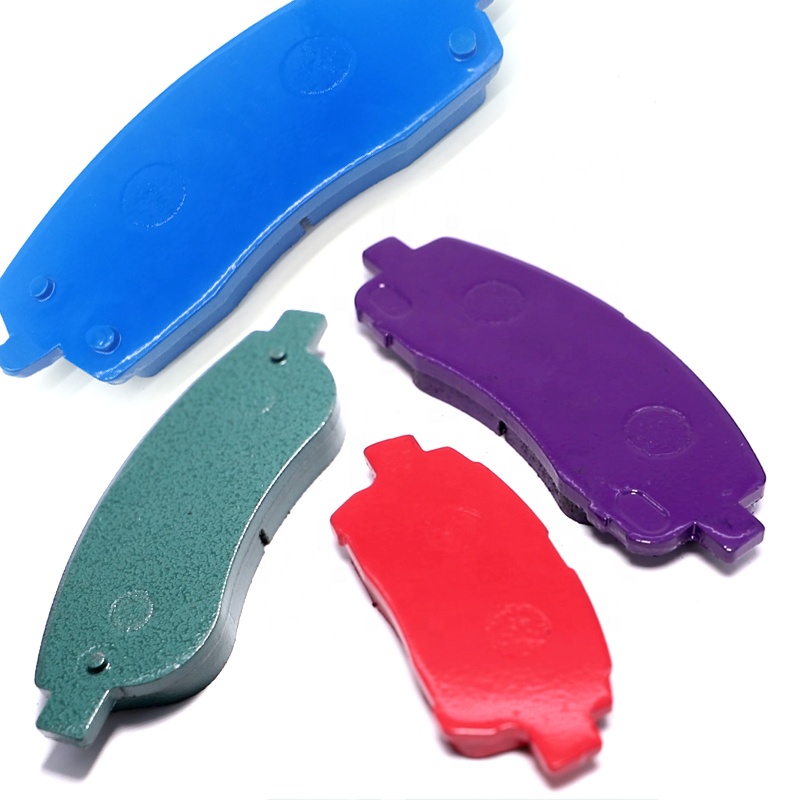
Modern automotive safety relies heavily on the intricate coordination of multiple components working in perfect harmony to bring vehicles to a controlled stop. Understanding how a brake system operates as a unified network of interconnected parts reveals the sophisticated engineering behind one of the most critical safety features in any vehicle. The seamless integration of hydraulic forces, friction materials, and mechanical leverage creates a reliable stopping mechanism that drivers depend on every day.
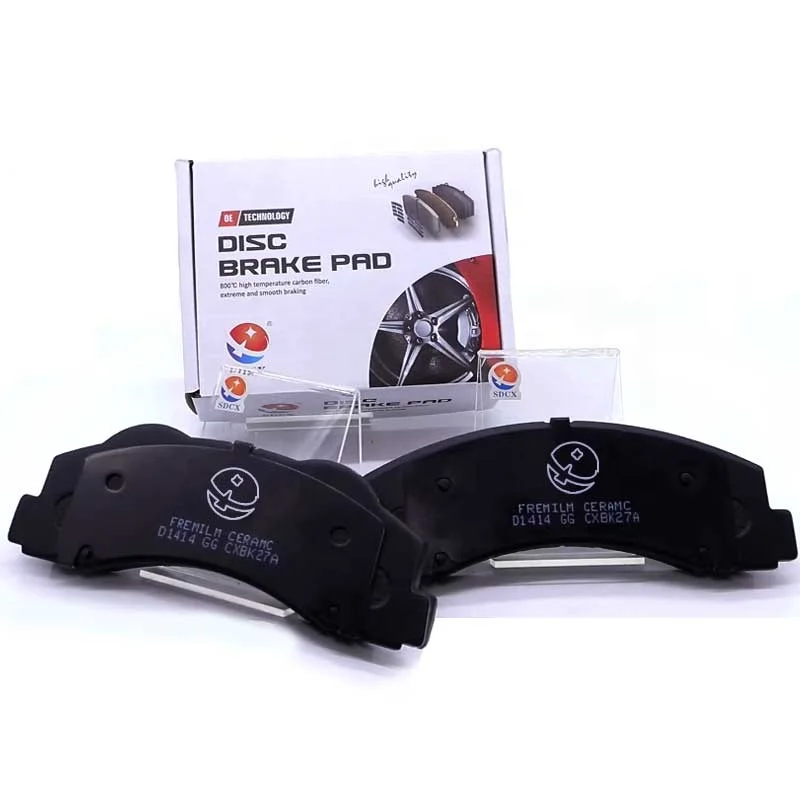
Every brake system represents decades of automotive innovation, combining proven mechanical principles with advanced materials science to deliver consistent performance across diverse driving conditions. From the initial pressure applied at the brake pedal to the final moment when friction brings motion to a halt, each component plays a specific role in maintaining vehicle control and occupant safety. The coordination between these elements demonstrates remarkable precision engineering that most drivers never fully appreciate until faced with an emergency braking situation.
Fundamental Components of Modern Brake Systems
Master Cylinder and Hydraulic Foundation
The master cylinder serves as the heart of any hydraulic brake system, converting mechanical force from the brake pedal into hydraulic pressure that travels throughout the entire braking network. This critical component houses brake fluid reservoirs and contains precision-machined pistons that amplify the driver's input force through Pascal's principle of hydraulic multiplication. When the brake pedal moves downward, the master cylinder generates pressurized brake fluid that flows through brake lines to activate components at each wheel.
Modern master cylinders incorporate dual-circuit designs that provide redundant safety measures, ensuring that if one hydraulic circuit fails, the remaining circuit can still provide braking capability. The brake system relies on this hydraulic foundation to distribute force evenly across all braking components, creating balanced stopping power that maintains vehicle stability during deceleration. Advanced master cylinders also feature integrated brake fluid level sensors and pressure monitoring systems that alert drivers to potential maintenance needs.
Brake Fluid Circulation and Pressure Transmission
Brake fluid serves as the vital medium that transmits hydraulic pressure throughout the entire brake system, carrying force from the master cylinder to brake calipers and wheel cylinders at each corner of the vehicle. This specialized hydraulic fluid must maintain consistent viscosity across extreme temperature ranges while resisting compression under high pressure conditions. The brake system depends on brake fluid's incompressible properties to ensure immediate response when drivers apply the brake pedal.
Quality brake fluid also provides crucial corrosion protection for internal brake system components, preventing rust and degradation that could compromise hydraulic efficiency. Regular brake fluid replacement maintains optimal brake system performance by removing moisture contamination that naturally accumulates over time. The circulation of clean brake fluid through brake lines, hoses, and components ensures reliable pressure transmission that drivers can trust in emergency situations.
Disc Brake Component Integration
Brake Calipers and Piston Mechanisms
Brake calipers house the pistons and brake pads that create the friction necessary to stop rotating brake rotors, converting kinetic energy into heat energy through controlled contact pressure. These precision-cast components must withstand extreme temperatures and repeated thermal cycling while maintaining dimensional stability and hydraulic sealing. The brake system utilizes multiple piston configurations to distribute clamping force evenly across brake pad surfaces, maximizing friction contact area.
Single-piston floating calipers provide cost-effective braking for standard applications, while multi-piston fixed calipers deliver enhanced performance for high-demand driving conditions. The hydraulic pressure received from the master cylinder actuates caliper pistons that press brake pads against rotating brake rotors with tremendous force multiplication. Modern caliper designs incorporate advanced sealing systems and corrosion-resistant coatings that extend service life and maintain consistent brake system operation.
Brake Rotors and Heat Dissipation
Brake rotors provide the rotating friction surface that brake pads clamp against to generate stopping force, absorbing and dissipating enormous amounts of kinetic energy converted to heat during braking events. These precision-machined discs must maintain flat, parallel surfaces while withstanding rapid temperature changes that occur during aggressive braking scenarios. The brake system depends on rotor thermal mass and cooling vane designs to prevent brake fade that could compromise stopping performance.
Ventilated brake rotors feature internal cooling passages that enhance heat dissipation through forced air circulation, maintaining optimal operating temperatures even during repeated high-energy braking cycles. Solid brake rotors provide adequate heat capacity for lighter vehicles and moderate driving conditions while offering cost advantages in standard applications. The metallurgical composition of brake rotors balances wear resistance, thermal conductivity, and dimensional stability to ensure consistent brake system performance throughout their service life.
Drum Brake System Coordination
Wheel Cylinders and Brake Shoe Actuation
Drum brake systems utilize wheel cylinders to convert hydraulic pressure into mechanical force that pushes brake shoes outward against the inner surface of brake drums, creating friction that slows wheel rotation. These hydraulic actuators contain precision pistons that respond to brake system pressure by expanding brake shoes with carefully calibrated force distribution. The coordination between wheel cylinders and brake shoes requires precise adjustment to maintain optimal contact geometry and prevent uneven wear patterns.
Modern wheel cylinders incorporate advanced sealing technologies that prevent brake fluid leakage while maintaining smooth piston operation throughout extended service intervals. The brake system relies on wheel cylinder bore condition and piston seal integrity to maintain hydraulic pressure and ensure consistent brake shoe engagement. Proper wheel cylinder maintenance involves regular inspection of rubber seals and internal bore surfaces to detect early signs of wear or corrosion.
Brake Drums and Friction Surface Management
Brake drums provide the cylindrical friction surface that brake shoes press against to generate stopping torque, requiring precise machining tolerances and metallurgical properties that resist wear and heat distortion. The internal diameter of brake drums must remain within specified dimensional limits to maintain proper brake shoe contact and prevent reduced stopping effectiveness. The brake system depends on drum thermal stability to prevent distortion that could cause brake vibration or uneven pad wear.
Cast iron brake drums offer excellent heat absorption and dimensional stability for most automotive applications, while aluminum drums provide weight savings in specific performance applications. The friction surface finish of brake drums affects brake shoe bedding characteristics and long-term wear patterns, requiring careful attention during manufacturing and resurfacing operations. Regular brake drum inspection identifies wear patterns, heat checking, or dimensional changes that could compromise brake system safety and performance.
Electronic Brake System Enhancement
Anti-Lock Braking System Integration
Anti-lock braking systems enhance traditional brake system operation by preventing wheel lockup during emergency braking situations, maintaining tire traction and steering control when maximum stopping force is required. These sophisticated electronic systems monitor individual wheel speeds and modulate brake pressure through rapid hydraulic valve cycling that optimizes friction between tires and road surfaces. The brake system benefits from ABS integration through improved vehicle stability and shorter stopping distances on most road surfaces.
ABS components include wheel speed sensors, hydraulic control modules, and electronic control units that process sensor data and execute pressure modulation commands within milliseconds of detecting impending wheel lockup. The integration of ABS technology with conventional brake system hardware requires careful calibration to ensure seamless operation across diverse driving conditions. Modern ABS systems also provide diagnostic capabilities that monitor brake system component health and alert drivers to maintenance requirements or system malfunctions.
Electronic Stability Control Coordination
Electronic stability control systems build upon ABS foundations by selectively applying individual wheel brakes to correct vehicle trajectory during loss of traction events, working in coordination with engine management systems to maintain intended vehicle path. These advanced safety systems utilize additional sensors that monitor steering angle, lateral acceleration, and yaw rate to detect potential skid conditions before they become unrecoverable. The brake system serves as the primary intervention tool for ESC systems to restore vehicle stability through targeted brake applications.
ESC integration requires sophisticated brake system pressure control that can independently modulate brake force at each wheel while maintaining normal brake pedal feel and response for the driver. The coordination between electronic stability control and conventional brake system operation demonstrates the evolution of automotive safety technology toward comprehensive vehicle dynamics management. Advanced ESC systems also incorporate trailer stability assistance and rollover mitigation features that further enhance overall vehicle safety performance.
Maintenance and Performance Optimization
Brake System Inspection Protocols
Regular brake system inspection involves systematic evaluation of all components to identify wear patterns, fluid contamination, or mechanical deterioration that could compromise braking performance or safety margins. Professional technicians examine brake pad thickness, rotor surface condition, brake fluid level and color, and hydraulic line integrity to assess overall system health. The brake system requires periodic attention to maintain optimal performance and prevent costly component failures that could result from neglected maintenance.
Comprehensive brake inspections also include measurement of brake pedal travel, evaluation of brake warning light functionality, and assessment of brake system response consistency during test drives. Visual inspection of brake components reveals important information about wear patterns, heat damage, or contamination that may not be apparent during normal driving conditions. Documentation of brake system inspection results provides valuable maintenance history that helps predict future service requirements and component replacement schedules.
Component Replacement and Upgrading
Brake system component replacement requires careful attention to specifications, installation procedures, and break-in protocols that ensure optimal performance and safety margins. Quality replacement parts must meet or exceed original equipment specifications while providing compatibility with existing brake system components and electronic control systems. The brake system benefits from using matched component sets that are designed to work together for optimal friction characteristics and wear patterns.
Performance brake system upgrades may include larger rotors, multi-piston calipers, high-temperature brake pads, and upgraded brake fluid formulations that enhance stopping capability for demanding driving applications. These modifications require careful consideration of vehicle weight, tire capabilities, and overall vehicle dynamics to ensure balanced performance improvements. Professional installation and proper bedding procedures are essential for achieving optimal performance from upgraded brake system components.
FAQ
How often should brake system components be inspected?
Most automotive manufacturers recommend brake system inspection every 12,000 to 15,000 miles or annually, whichever occurs first. However, aggressive driving conditions, frequent stop-and-go traffic, or mountainous terrain may require more frequent inspections. Visual inspection of brake pads through wheel spokes can be performed monthly, while comprehensive brake system evaluation should be conducted by qualified technicians during regular maintenance intervals.
What are the warning signs of brake system problems?
Common brake system warning signs include squealing or grinding noises during braking, vibration in the brake pedal or steering wheel, longer stopping distances, brake pedal that feels spongy or travels too far before engaging, and brake warning lights on the dashboard. Any of these symptoms indicates the need for immediate brake system inspection to identify and address potential safety issues before they compromise braking performance.
Can different brake fluid types be mixed in the same system?
Brake fluid types should not be mixed unless specifically approved by the vehicle manufacturer, as different formulations may have incompatible additives or boiling points that could compromise brake system performance. DOT 3, DOT 4, and DOT 5.1 brake fluids are glycol-based and generally compatible, while DOT 5 is silicone-based and should never be mixed with other types. Always consult vehicle specifications and use the recommended brake fluid type for optimal brake system operation.
How does weather affect brake system performance?
Weather conditions significantly impact brake system performance through temperature effects, moisture exposure, and road surface changes. Cold weather can increase brake fluid viscosity and affect seal flexibility, while hot weather may reduce brake fluid boiling point and increase brake fade risk. Wet conditions require longer stopping distances and may cause temporary reduction in friction until water is displaced from brake surfaces. Regular brake system maintenance helps ensure consistent performance across all weather conditions.