
 EN
EN
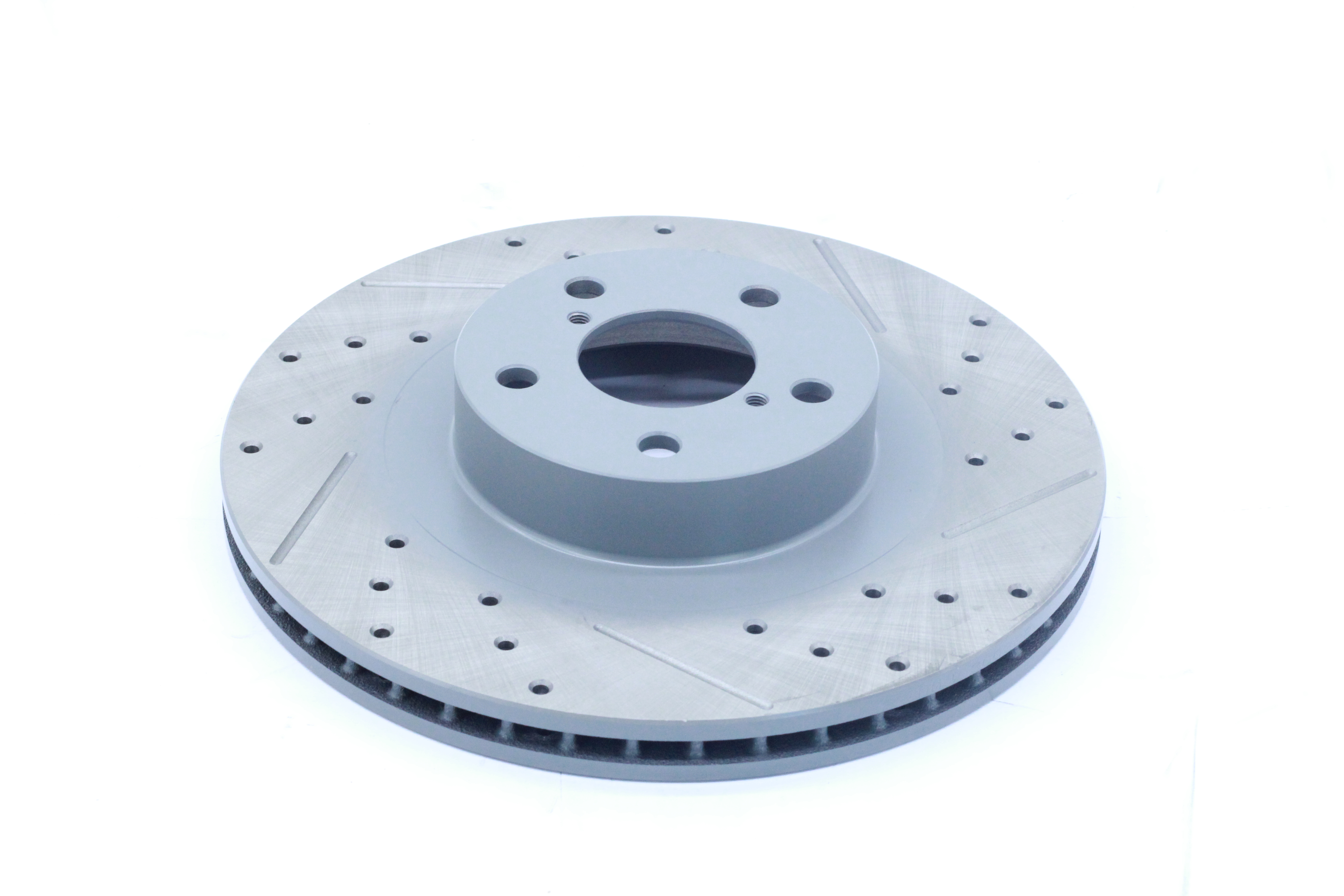
High-mileage vehicles face numerous challenges that can significantly impact their brake system performance and overall safety. As vehicles accumulate thousands of miles, various components within the brake system begin to show signs of wear and deterioration, leading to reduced efficiency and potentially dangerous driving conditions. Understanding these common issues is crucial for vehicle owners who want to maintain optimal braking performance and ensure passenger safety throughout their vehicle's extended lifespan.
The brake system in high-mileage vehicles undergoes constant stress and wear due to repeated use over extended periods. Heat generation, friction, and environmental factors all contribute to the gradual degradation of brake components. Vehicle owners often notice decreased responsiveness, longer stopping distances, and unusual noises emanating from their brake system as mileage increases. These warning signs indicate that immediate attention is required to prevent complete brake system failure and maintain vehicle safety standards.
Brake Pad Deterioration and Wear Patterns
Progressive Pad Material Loss
Brake pads represent the most frequently replaced component within any brake system, particularly in high-mileage vehicles where consistent use has worn down the friction material to dangerously thin levels. The organic compounds, semi-metallic materials, or ceramic elements that comprise modern brake pads gradually diminish through contact with brake rotors during each stopping event. This progressive wear creates uneven surfaces and reduces the effective contact area between pads and rotors, resulting in compromised braking efficiency.
High-mileage vehicles often exhibit irregular wear patterns on brake pads due to suspension misalignment, warped rotors, or improper installation during previous maintenance cycles. These irregular patterns create hot spots and uneven pressure distribution across the brake system components. Vehicle owners may notice squealing, grinding, or vibrating sensations when applying brakes, indicating that immediate pad replacement is necessary to restore proper brake system functionality.
Heat-Related Pad Degradation
Extended use in high-mileage vehicles subjects brake pads to extreme temperatures that can alter their molecular structure and reduce friction coefficients. The repeated heating and cooling cycles cause brake pad materials to become glazed, hardened, or cracked, significantly diminishing their ability to create the friction necessary for effective stopping power. This thermal degradation is particularly pronounced in vehicles that have experienced heavy towing, mountain driving, or frequent stop-and-go traffic conditions.
The brake system in high-mileage vehicles must contend with accumulated heat stress that affects not only the pads but also surrounding components. Overheated brake pads can transfer excessive heat to brake fluid, causing vapor lock and complete brake system failure in extreme cases. Regular inspection and replacement of deteriorated brake pads ensures that the entire brake system maintains optimal performance levels and prevents cascading failures throughout the braking mechanism.
Brake Fluid Contamination and Degradation
Moisture Absorption Issues
Brake fluid plays a critical role in transferring hydraulic pressure throughout the brake system, but high-mileage vehicles often suffer from fluid contamination that reduces braking effectiveness. Over time, brake fluid absorbs moisture from the atmosphere through microscopic pores in rubber seals and hoses, lowering its boiling point and creating the potential for vapor lock during heavy braking situations. This moisture contamination also promotes corrosion within brake lines, calipers, and master cylinders, leading to expensive repairs and reduced brake system reliability.
The hygroscopic nature of brake fluid means that even sealed systems gradually accumulate water content over extended periods. High-mileage vehicles with original brake fluid may contain dangerous levels of moisture that compromise the entire brake system's ability to function properly under demanding conditions. Vehicle owners should replace brake fluid according to manufacturer specifications, typically every two to three years, to maintain optimal brake system performance and prevent moisture-related failures.
Chemical Breakdown and Additive Depletion
Extended service intervals in high-mileage vehicles cause brake fluid to undergo chemical breakdown that affects its lubricating properties and corrosion resistance. The additives that protect rubber seals, prevent oxidation, and maintain proper viscosity gradually deplete over time, leaving the brake system vulnerable to internal damage and reduced performance. Degraded brake fluid may appear dark, cloudy, or contaminated with metal particles, indicating that immediate replacement is necessary to preserve brake system integrity.
Contaminated brake fluid can cause rubber seals within the brake system to swell, crack, or deteriorate, leading to internal leaks and pressure loss. These seal failures result in spongy brake pedal feel, increased stopping distances, and potential complete brake system failure if left unaddressed. Regular brake fluid analysis and replacement prevents these costly failures and ensures that the brake system maintains consistent performance throughout the vehicle's extended service life.
Rotor Warping and Surface Irregularities
Thermal Stress and Warping
High-mileage vehicles frequently develop warped brake rotors due to repeated thermal cycling and uneven heating patterns that occur during normal braking operations. The cast iron or composite materials used in brake rotor construction expand and contract with temperature changes, creating internal stresses that eventually cause permanent deformation. Warped rotors produce vibrations through the brake pedal and steering wheel, indicating that the brake system is no longer operating within acceptable tolerances.
The brake system in vehicles with significant mileage must contend with rotors that have exceeded their thermal limits multiple times, creating metallurgical changes that reduce their ability to dissipate heat effectively. These changes result in hot spots, thickness variations, and surface irregularities that prevent proper pad-to-rotor contact. Professional rotor resurfacing or replacement becomes necessary to restore smooth braking performance and eliminate vibrations that indicate compromised brake system function.
Surface Scoring and Contamination
Extended use in high-mileage vehicles often leads to brake rotor surfaces that exhibit scoring, grooving, or contamination from worn brake pads, road debris, or environmental factors. These surface irregularities prevent proper contact between brake pads and rotors, reducing the effective friction area and compromising overall brake system performance. Deep grooves or scoring marks indicate that immediate attention is required to prevent further damage to expensive brake system components.
Contaminated rotor surfaces can result from oil leaks, brake fluid spills, or accumulated road salt and debris that interferes with proper brake system operation. These contaminants create uneven friction characteristics and may cause brake pads to wear prematurely or unevenly. Regular cleaning and inspection of rotor surfaces helps maintain optimal brake system performance and identifies potential issues before they result in complete system failure or dangerous driving conditions.
Caliper and Hardware Degradation
Piston Seal Deterioration
Brake calipers in high-mileage vehicles commonly experience seal deterioration that affects the brake system's ability to maintain proper hydraulic pressure and pad positioning. The rubber seals surrounding caliper pistons gradually harden, crack, or lose elasticity due to exposure to brake fluid, heat, and environmental contaminants over extended service periods. Deteriorated seals allow brake fluid to leak internally or externally, resulting in reduced brake system pressure and potential safety hazards.
Failed caliper seals can cause pistons to stick in extended or retracted positions, preventing proper brake pad engagement or release. This condition leads to uneven pad wear, reduced braking effectiveness, and potential brake system overheating due to constant pad-to-rotor contact. The brake system requires immediate attention when caliper seals fail to prevent expensive damage to surrounding components and maintain safe vehicle operation.
Corrosion and Mechanical Binding
High-mileage vehicles often develop corrosion within brake calipers due to moisture exposure, road salt, and environmental contaminants that accumulate over extended service periods. This corrosion can cause caliper pistons to bind, preventing proper brake pad movement and reducing overall brake system effectiveness. Corroded calipers may exhibit uneven pad wear, reduced stopping power, and unusual noises during brake application, indicating that immediate service is required.
The brake system hardware, including slide pins, mounting brackets, and anti-rattle clips, also deteriorates in high-mileage vehicles due to corrosion and wear. These components are essential for proper brake pad alignment and movement within the caliper assembly. When hardware fails or becomes corroded, the brake system cannot function optimally, leading to uneven wear patterns, noise, and reduced braking performance that compromises vehicle safety and reliability.
Brake Line and Hose Deterioration
Rubber Hose Expansion and Cracking
The flexible rubber brake hoses in high-mileage vehicles gradually deteriorate due to age, heat exposure, and chemical degradation from brake fluid contact. These hoses can develop internal expansion that creates a spongy brake pedal feel and reduces the brake system's ability to transfer hydraulic pressure effectively. External cracking, bulging, or visible deterioration indicates that immediate hose replacement is necessary to maintain brake system integrity and prevent catastrophic failure.
Deteriorated brake hoses can also develop internal restrictions or collapse that limit brake fluid flow to individual calipers or wheels. This condition results in uneven braking characteristics and can cause complete brake system failure on affected wheels. Regular inspection of brake hoses helps identify potential problems before they compromise the entire brake system's functionality and safety performance in high-mileage vehicles.
Steel Line Corrosion and Leakage
The steel brake lines in high-mileage vehicles are susceptible to corrosion from road salt, moisture, and environmental exposure that can create pinhole leaks or complete line failure. Corroded brake lines compromise the brake system's hydraulic integrity and can result in sudden brake fluid loss and complete braking failure. Visual inspection of brake lines should be performed regularly to identify rust, corrosion, or fluid leakage that requires immediate attention.
The brake system relies on maintaining proper hydraulic pressure throughout the entire line network to function effectively. Even small leaks in steel brake lines can result in air entry into the system, causing spongy brake pedal feel and reduced stopping power. High-mileage vehicles require careful monitoring of brake line condition to ensure that the brake system maintains optimal performance and safety standards throughout the vehicle's extended service life.
FAQ
How often should brake system components be inspected in high-mileage vehicles?
High-mileage vehicles should undergo brake system inspection every 12,000 to 15,000 miles or annually, whichever occurs first. This frequent inspection schedule helps identify wear patterns, fluid contamination, and component deterioration before they compromise safety. Professional technicians can assess brake pad thickness, rotor condition, fluid quality, and hardware integrity to determine when replacement or service is necessary. Regular inspections are particularly important for vehicles exceeding 100,000 miles, as brake system components may deteriorate more rapidly due to accumulated wear and environmental exposure.
What are the warning signs that indicate brake system problems in high-mileage vehicles?
Common warning signs include squealing or grinding noises during brake application, vibrations through the brake pedal or steering wheel, increased stopping distances, and spongy brake pedal feel. High-mileage vehicles may also exhibit brake fluid leaks, uneven tire wear patterns, or pulling to one side during braking. Any of these symptoms indicates that immediate brake system inspection is necessary to identify the root cause and prevent potential safety hazards. Vehicle owners should never ignore these warning signs, as brake system failure can result in serious accidents and injuries.
Can preventive maintenance extend brake system life in high-mileage vehicles?
Yes, proper preventive maintenance significantly extends brake system life and maintains optimal performance in high-mileage vehicles. Regular brake fluid replacement, pad inspection and replacement at appropriate intervals, rotor resurfacing when necessary, and caliper service help prevent premature component failure. Additionally, avoiding aggressive driving habits, maintaining proper tire pressure, and addressing suspension issues promptly can reduce brake system stress and extend component life. Preventive maintenance is more cost-effective than emergency repairs and helps ensure consistent brake system performance throughout the vehicle's extended service life.
When is complete brake system replacement necessary in high-mileage vehicles?
Complete brake system replacement becomes necessary when multiple components have reached the end of their service life simultaneously, or when corrosion and wear have compromised the system's overall integrity. This typically occurs in vehicles with extremely high mileage or those that have experienced severe environmental exposure. Signs that indicate complete replacement include corroded brake lines, multiple caliper failures, severely warped rotors that cannot be resurfaced, and contaminated brake fluid that has caused internal component damage. A qualified technician should evaluate the entire brake system to determine the most cost-effective approach for restoring safe braking performance.
Table of Contents
- Brake Pad Deterioration and Wear Patterns
- Brake Fluid Contamination and Degradation
- Rotor Warping and Surface Irregularities
- Caliper and Hardware Degradation
- Brake Line and Hose Deterioration
-
FAQ
- How often should brake system components be inspected in high-mileage vehicles?
- What are the warning signs that indicate brake system problems in high-mileage vehicles?
- Can preventive maintenance extend brake system life in high-mileage vehicles?
- When is complete brake system replacement necessary in high-mileage vehicles?