 EN
EN

Why Do Semi-Metallic Brake Pads Squeal? Causes and Troubleshooting Guide
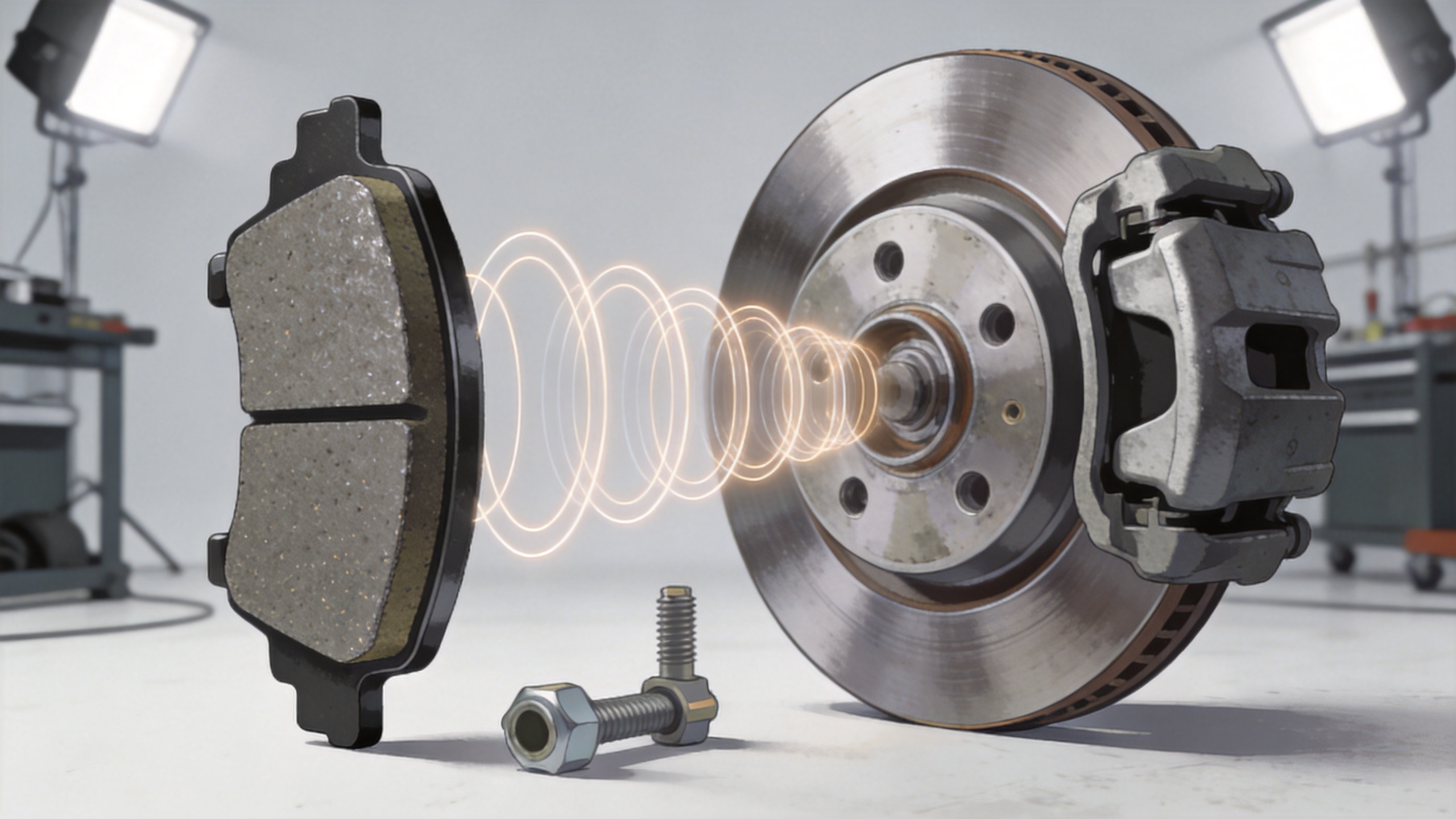
Do semi metallic brake pads squeal? They can. A brief chirp on a cold, damp morning may be harmless, but a persistent high-pitched noise deserves a methodical inspection. Semi-metallic brake pads contain metallic fibers for heat handling and friction stability. That construction can make vibration easier to hear when the pad, rotor, shims, or caliper hardware are not working as a matched system.
For distributors and brake brands, the practical question is when the sound is normal, what should be checked first, and how to avoid preventable complaints after installation. This guide traces the noise path from friction surface to mounting hardware.
Do semi metallic brake pads squeal more than other formulas?
Do semi metallic brake pads squeal more often? They may be more audible in some applications, especially at low speed, low temperature, or light pedal pressure. That does not mean every noise is a material defect. Brake squeal is usually a vibration problem: the pad and rotor create a frequency that is amplified by surrounding parts.
Semi-metallic brake pads are often selected where heat tolerance, fade resistance, and robust friction performance matter. The trade-off can be more dust or occasional sound compared with a quieter-oriented formulation. Vehicle weight, rotor finish, caliper design, pad shape, and driving cycle all influence the result. The correct answer is: sometimes, but the system condition determines whether it becomes a complaint.
Common causes of semi-metallic brake pad squeal
1. New pads have not bedded in correctly
New friction material needs a controlled break-in, often called bedding-in, so an even transfer layer can develop on the rotor. If this process is skipped, interrupted, or performed with excessive heat, uneven deposits can promote vibration. Noise immediately after replacement should prompt a check of the pad maker’s bedding procedure and the condition of the new or resurfaced rotor.
2. Rotor glazing, scoring, or uneven rotor thickness
A shiny glazed rotor, deep grooves, corrosion, or thickness variation can prevent stable contact. The pad may repeatedly grab and release rather than apply smoothly. If noise appears only after a long downhill drive or repeated hard stops, inspect for heat-related rotor changes and verify the rotor meets the vehicle specification.
3. Missing, weak, or incorrectly fitted hardware
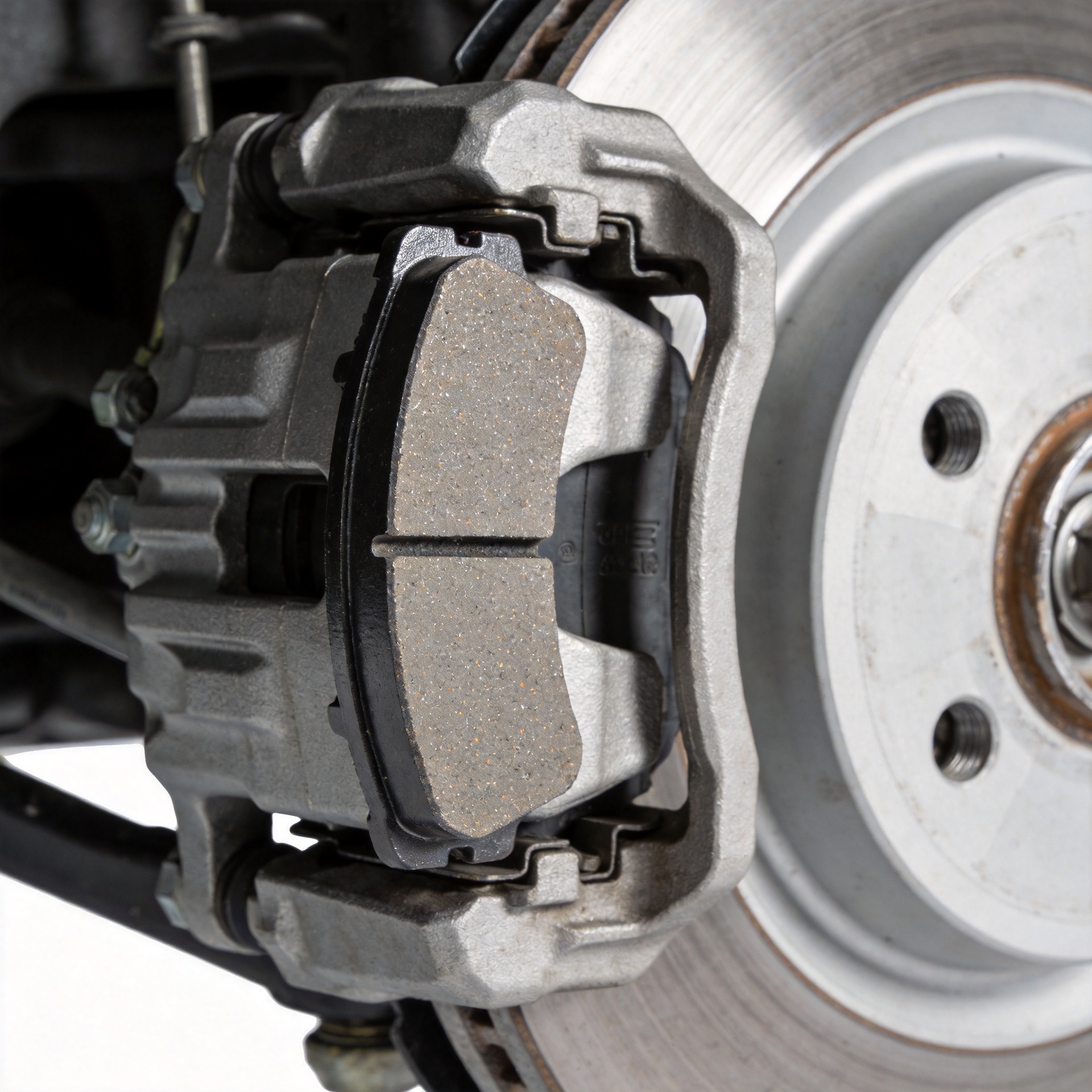
Anti-rattle clips, shims, abutment hardware, and slide pins are not minor accessories. They control pad movement. Worn clips can lose tension; seized pins can make one pad drag; misplaced shims can let vibration travel into the caliper. Noise during light braking that quiets with firmer pedal pressure makes hardware movement a useful diagnostic lead.
4. Contamination or incorrect contact-point treatment
Oil, grease, brake fluid, road film, or unsuitable compounds on the friction face can alter braking behavior. At the same time, designated backing-plate and hardware contact points may require the correct brake-specific lubricant. Do not apply lubricant to the pad friction surface or rotor. After a recent repair, review cleanliness and the installer’s contact-point process.
5. Wear indicators, fitment errors, or worn companion parts
A wear indicator can make a deliberate warning sound as friction material becomes thin. Incorrect pad shape, a mismatched shim, a damaged caliper, wheel-bearing play, or a rotor outside specification can also create noise that is wrongly blamed on the pad compound. This is why noise should not be answered by changing friction material alone.
A practical inspection sequence
- Identify the condition: Is the sound cold-only, wet-only, low-speed, constant, or linked to heavy braking?
- Check safety first: Look for reduced braking response, pulling, grinding, overheating, warning lights, or fluid leakage. These require prompt professional assessment.
- Inspect pad and rotor surfaces: Check remaining pad thickness, glazing, scoring, corrosion, and whether both sides wear evenly.
- Inspect the hardware: Confirm clips, shims, abutment surfaces, and slide pins are clean, present, and appropriate for the application.
- Verify part numbers: Match the pad set, rotor, and hardware kit to the exact vehicle configuration rather than relying on visual similarity.
- Follow the specified break-in process: Use the instructions supplied for the pad and rotor combination.
In this sequence, brake squeal becomes a useful symptom rather than a shortcut to a diagnosis.
What buyers should verify before sourcing semi-metallic brake pads
For buyers, a strong response begins before fitting. Confirm the correct OE cross-reference, backing plate profile, slot and chamfer design, shim arrangement, hardware compatibility, and target market driving conditions. Request clear installation and bedding guidance, and make sure the sales description does not promise “zero noise” across every vehicle and environment.
When a quieter-oriented option is required for a particular passenger-car program, compare the complete friction-system requirement rather than selecting by formula name alone. For a related passenger-car application, see the CX-D1210 premium ceramic brake pad for Toyota. Product selection should be confirmed against the vehicle and program specification.
When should brake squeal be treated as urgent?
Do semi metallic brake pads squeal in a way that signals immediate action? Stop relying on noise alone if it is accompanied by grinding, a soft pedal, pulling, vibration through the pedal, burning smell, smoke, poor stopping performance, or a brake warning light. Arrange qualified inspection. A squeal may be only a nuisance, but a braking concern should not be diagnosed remotely or delayed.
Conclusion
So, do semi metallic brake pads squeal? Yes, they can, particularly in cold, light-braking, new-installation, or high-vibration conditions. Persistent noise is more often a cue to inspect bedding, rotor condition, hardware, fitment, and caliper movement than proof that semi-metallic brake pads are unsuitable. A clear inspection process and accurate application matching give brands, distributors, and installers a stronger chance of quiet, predictable brake service.