 EN
EN

Ceramic Brake Pads for Toyota: How to Verify D1210 Fitment Before Ordering
Ordering ceramic brakes for a Toyota program is not a matter of matching a short catalog label and moving on. A D1210 reference can be useful, but it should be treated as the start of a fitment review—not proof that a pad set fits every vehicle shown beside it. For distributors, wholesalers, and purchasing teams, a disciplined check before a PO is released helps prevent returns, installation delays, and avoidable claims.
The practical goal is simple: confirm that the brake pad reference, vehicle configuration, axle position, and physical pad design all describe the same application. This guide explains the checks to make before ordering D1210-style ceramic disc brake pads for Toyota-related applications.
Why a D1210 Catalog Reference Is Not a Complete Fitment Decision
Brake-pad catalog numbers are valuable cross-reference tools, yet they are not universal vehicle identifiers. A listing may group several makes, models, or model years under one reference, while the actual application can still change with engine, drivetrain, trim, brake package, production date, or front/rear position. That is why an experienced buyer asks “which exact vehicle and brake system?” before asking “how many sets?”
Search listings commonly associate D1210 with front-pad applications in certain Toyota-related vehicle ranges. That directional information can help organize a review, but it is not enough to authorize a purchase. Catalog coverage and supplier data must be checked for the specific vehicle in question.
Start With a Complete Vehicle Identification Record
Ask the customer, installer, or downstream buyer for a complete fitment record. At minimum, capture the vehicle make, model, model year, engine, trim, drivetrain where relevant, and market. If available, collect the VIN or the original equipment pad number. A “Toyota Corolla” description alone is usually too broad for a reliable ceramic brakes decision.
- Make and model
- Model year and production period
- Engine and trim or brake-package information
- Front or rear axle position
- VIN, OE reference, or a clear image of the removed pad when available
This record gives the supplier a defined application to check rather than an assumption to validate after shipment.
Confirm the Installation Position Before Comparing Anything Else
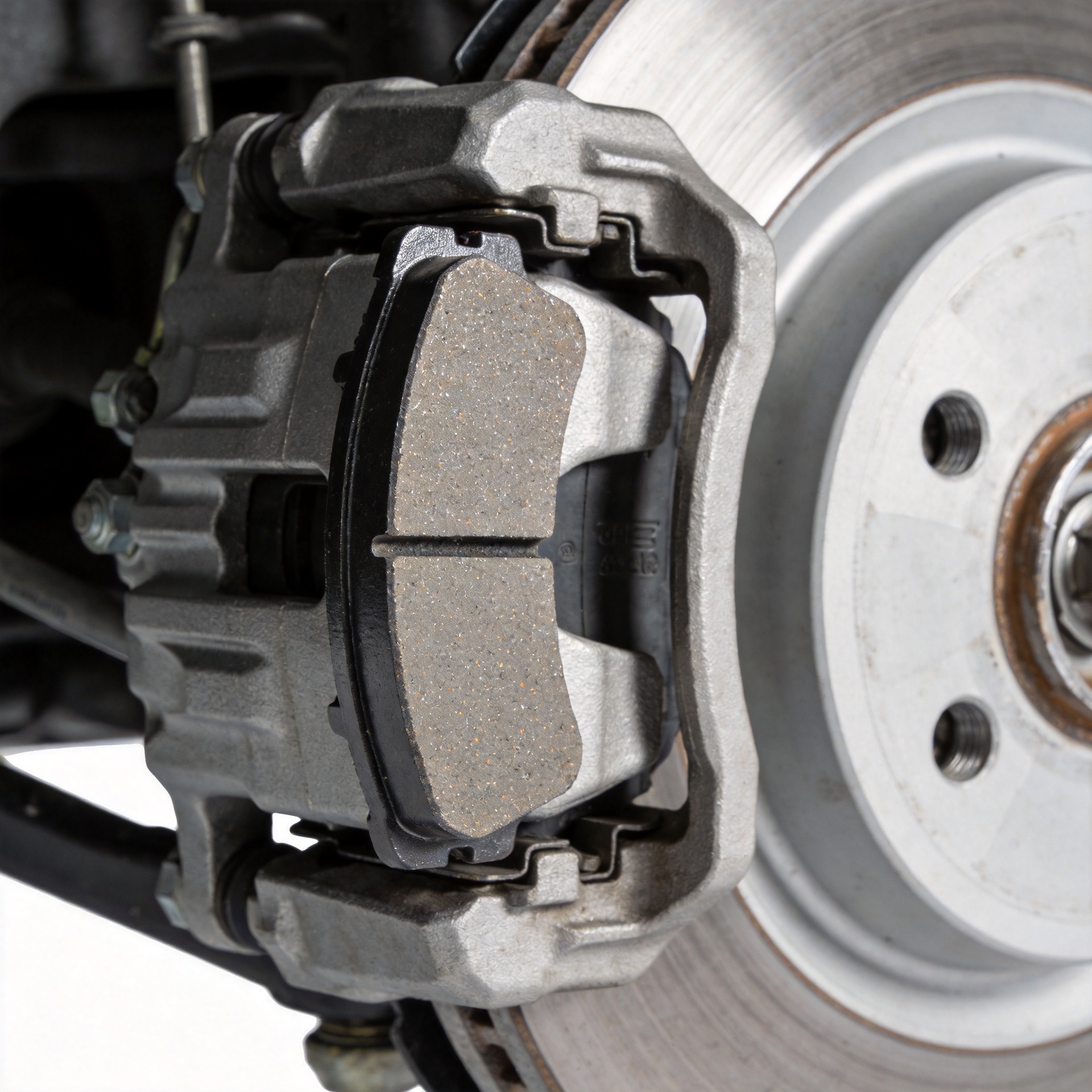
Front and rear ceramic disc brake pads are not interchangeable merely because they belong to the same vehicle family. The friction block, backing plate, hardware, wear indicator, and caliper interface can differ substantially by axle. Make the installation position an explicit line on the purchase request and quote—not a note buried in an email thread.
For a D1210 inquiry, compare the supplier catalog’s stated position with the vehicle’s actual service location. If the existing pad or repair order says “front,” the request should remain “front” through every later document: inquiry, quotation, sample approval, packaging label, and shipping mark.
Cross-Check the Number Against OE and Supplier References
A reliable verification uses more than one reference path. First, compare D1210 with the supplier’s own application catalog. Next, check any available OE part number or approved cross-reference. Finally, make sure the catalog entry applies to the requested vehicle configuration and axle position. If the numbers disagree, pause the order and request clarification rather than selecting the closest-looking ceramic brakes set.
For buyers evaluating the catalog item CX-D1210 no noise premium ceramic brake pad for TOYOTA, the product title establishes a relevant product reference, not a blanket compatibility statement. Share the full vehicle record and confirm the supplier’s application data before using it as an approved substitute.
Compare the Physical Pad Design and Dimensions
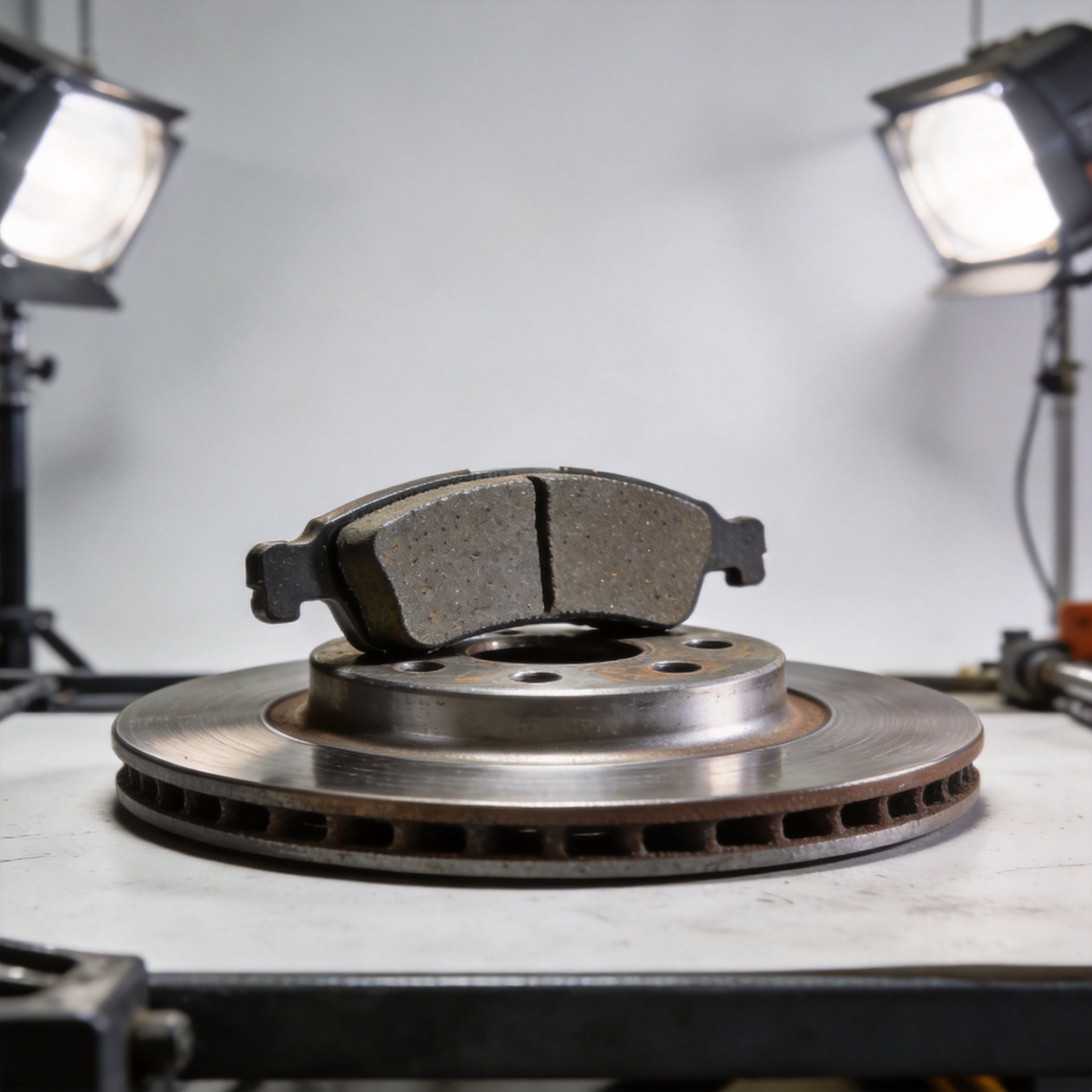
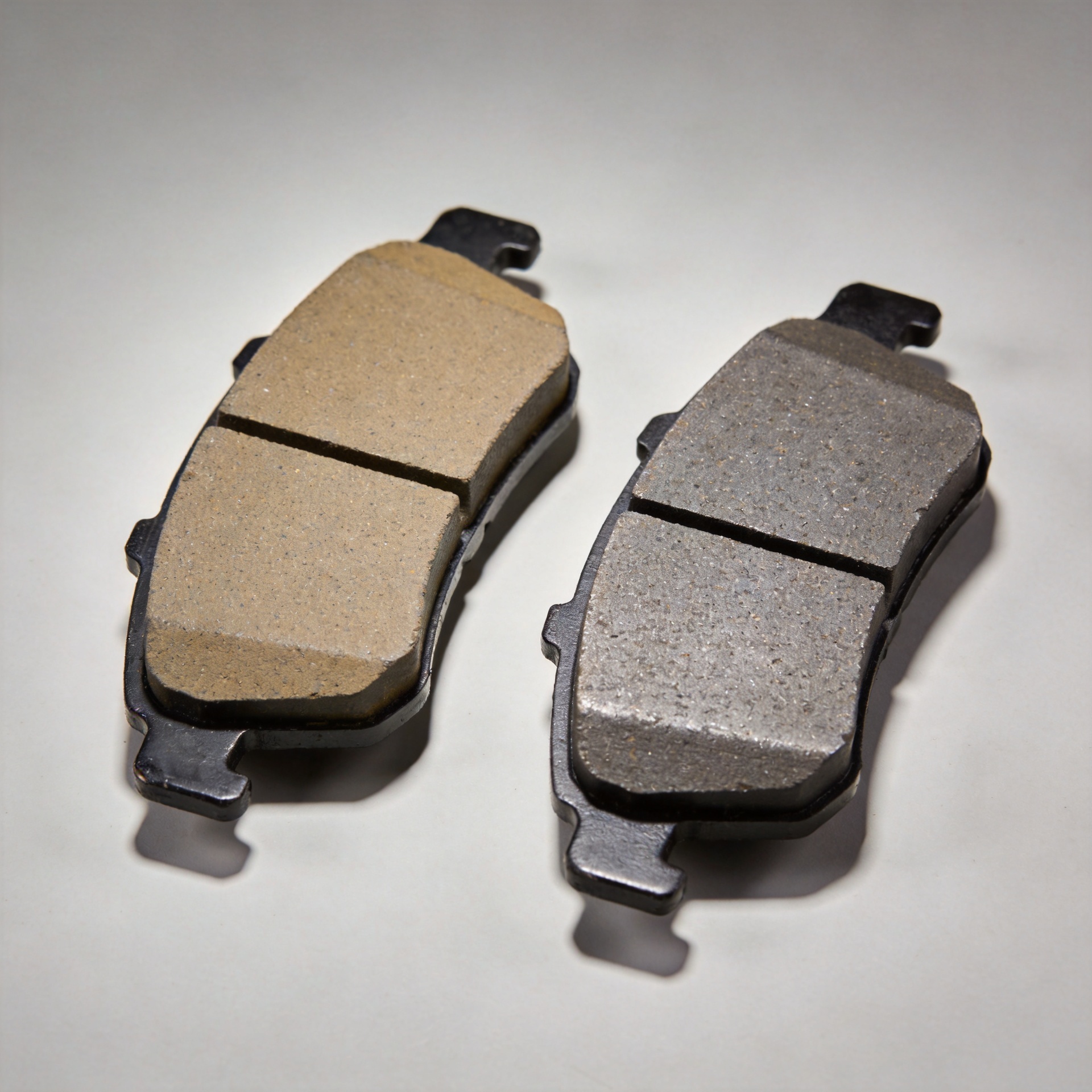
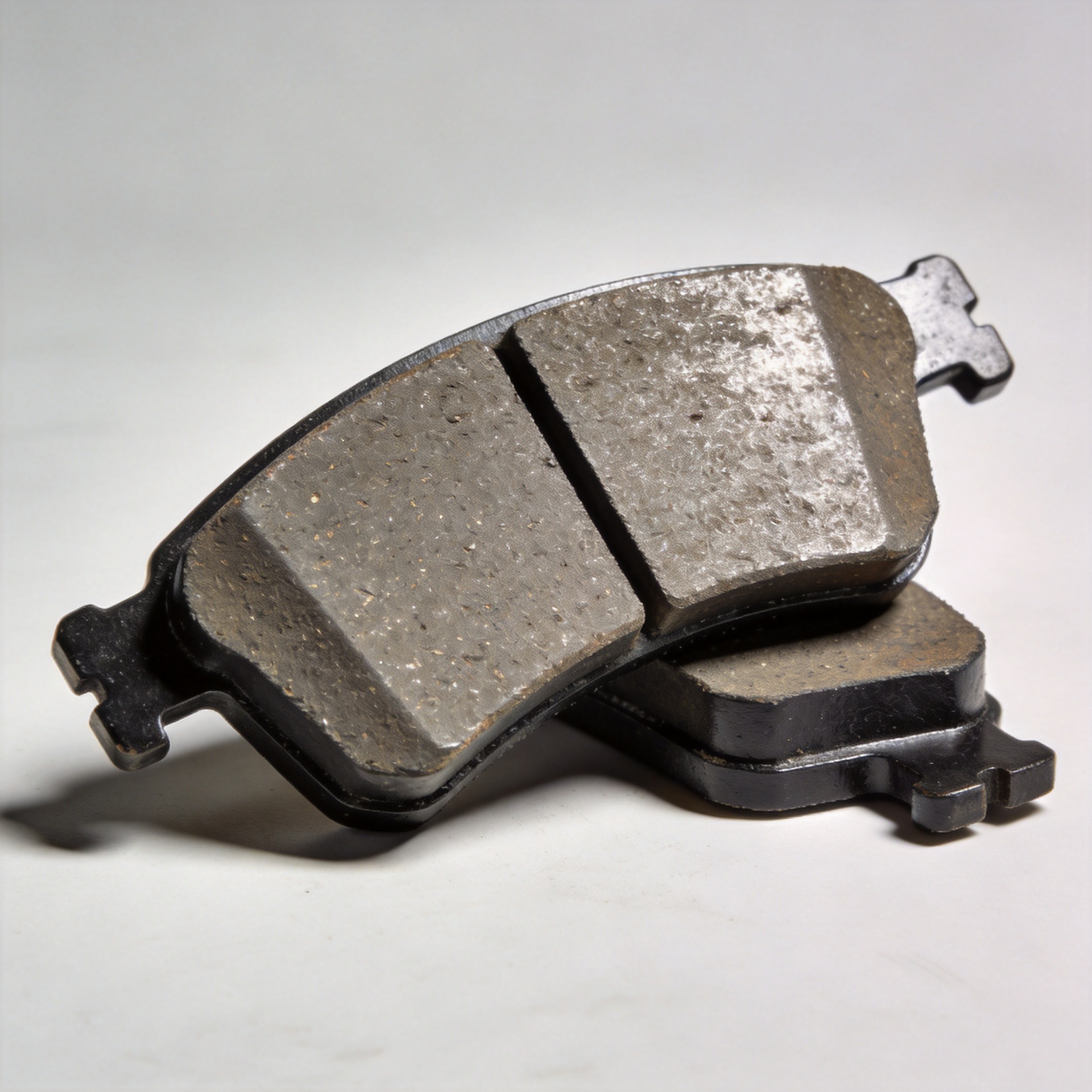
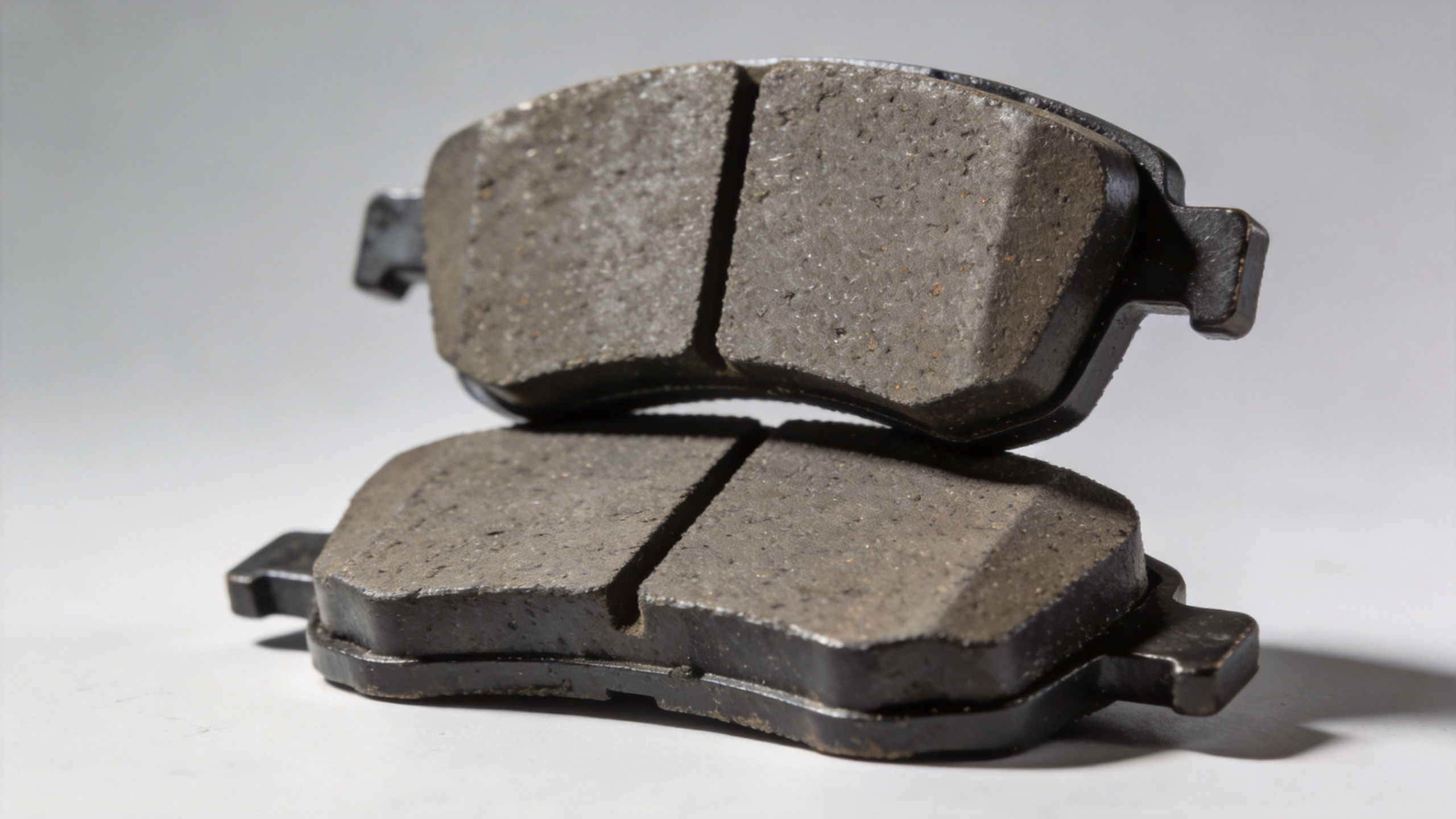
Part-number review should be supported by a physical comparison. Use a drawing, sample, or removed pad to verify the backing-plate outline, overall length and height, thickness, ear locations, abutment contact points, and any chamfers or slots. Also inspect whether a mechanical or electronic wear indicator is required and whether the supplied hardware matches the caliper arrangement.
| Checkpoint | What to compare | Why it matters |
|---|---|---|
| Pad profile | Backing-plate shape, ears, and retaining points | Confirms the pad seats correctly in the caliper bracket |
| Dimensions | Length, height, and thickness | Helps identify near-match references that should not be substituted |
| Friction design | Slots, chamfers, and friction-block layout | Supports comparison with the approved application |
| Hardware and indicators | Clips, shims, and wear-sensor provisions | Prevents incomplete installation kits or configuration mismatch |
Use a Sample Approval Step for New or Uncertain Programs
For a new customer program, especially a bulk order, request a sample or technical drawing review before full production. A sample check can confirm the physical points above and give the buyer a documented approval reference. It also creates a better basis for packaging labels, internal SKU mapping, and later replenishment orders.
Do not convert an unverified photo into a final fitment decision. Images can be helpful for a first screen, but they rarely reveal every dimension or brake-system variation. A controlled sample review is more dependable for ceramic brakes procurement.
Build the Fitment Check Into the Purchase Order
Once the application is confirmed, write the outcome clearly into the PO and inspection record. Include the agreed D1210 cross-reference, vehicle application, axle position, approved drawing or sample reference, material description, packaging requirement, and any required labeling language. This turns a verbal fitment conclusion into a traceable purchasing specification.
For recurring Toyota programs, maintain a short approval sheet with the date, application details, approved reference, sample photos, and responsible reviewer. The extra discipline is small, but it makes future orders faster and reduces the risk of a catalog number being applied outside its validated range.
What to Put on a Ceramic Brake Pad Fitment Request
A consistent request format helps a buyer and supplier discuss ceramic brakes without losing application details. For every inquiry, identify the vehicle first, then identify the requested ceramic disc brake pads. This sequence keeps a ceramic brakes quote tied to an actual brake system rather than to a general vehicle name.
- Request ceramic brakes for one fully identified Toyota application.
- State whether the ceramic disc brake pads are required for the front or rear axle.
- List the D1210 reference beside the requested ceramic brakes, not in place of vehicle data.
- Ask the supplier to confirm whether the ceramic disc brake pads match the approved pad outline.
- Record any OE cross-reference used to support the ceramic brakes decision.
- Specify the required clips, shims, or indicator arrangement with the ceramic disc brake pads.
- Use an approved sample when the ceramic brakes program is new or uncertain.
For repeat orders, the same fields should appear on the quotation, sample record, and PO. This gives purchasing teams a quick way to verify that the ceramic brakes being quoted are the same ceramic disc brake pads that were technically reviewed. It also lets a supplier flag a missing axle position or conflicting cross-reference before production begins.
The material description should be handled with the same care. A buyer may prefer ceramic brakes for a defined aftermarket program, but material preference does not override fitment. The correct ceramic disc brake pads must still match the caliper interface, pad dimensions, and approved vehicle configuration. In other words, select the right ceramic brakes only after the D1210 application trail is complete.
When comparing alternatives, keep the evaluation specific: are these ceramic brakes for the same front or rear location; do the ceramic disc brake pads have the same backing plate; and does the supplier confirm the same application record? Those questions keep a ceramic brakes purchase review practical and traceable.
Final D1210 Ordering Checklist
- Confirm the complete Toyota vehicle configuration.
- State whether the request is for front or rear ceramic disc brake pads.
- Check D1210 against the supplier catalog and an OE or approved cross-reference.
- Compare the pad profile, dimensions, friction-block features, hardware, and indicator requirements.
- Approve a drawing or sample for new, high-volume, or uncertain applications.
- Record the verified configuration in the PO, inspection plan, and labeling instructions.
D1210 can be a helpful way to narrow a Toyota brake-pad search. Still, the dependable decision comes from matching the catalog reference to a specific vehicle and brake system, then documenting that result. That process gives procurement teams a clearer path to sourcing the right ceramic brakes without turning a convenient catalog number into an unnecessary fitment risk.