 EN
EN

Semi-Metallic Brake Linings vs Brake Pads: Terminology for Parts Buyers
In brake-parts purchasing, a familiar term can hide an expensive misunderstanding. “Lining,” “pad,” and “semi-metallic” are often used in the same conversation, yet they can describe different things in different sourcing contexts. For a buyer, distributor, or private-label brake brand, the practical question is not which word sounds correct. It is which physical item, material specification, and fitment responsibility the supplier is actually quoting.
This guide explains how to use the term semi metallic brake linings accurately when discussing passenger-car friction products. It also shows why semi metallic pads can be a useful shorthand only after the buyer and supplier have agreed on the product construction.
Start with the object: lining material or finished brake pad?
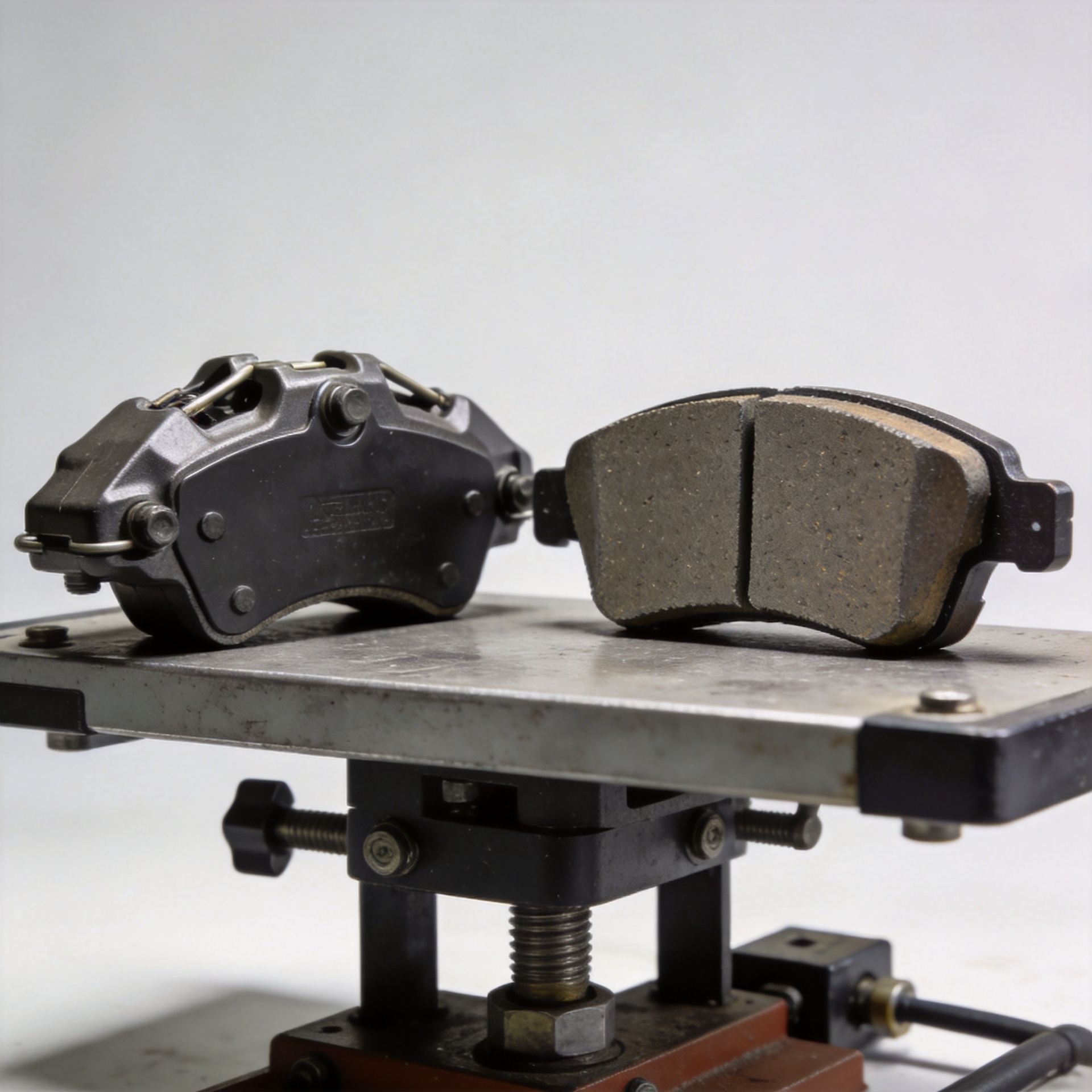
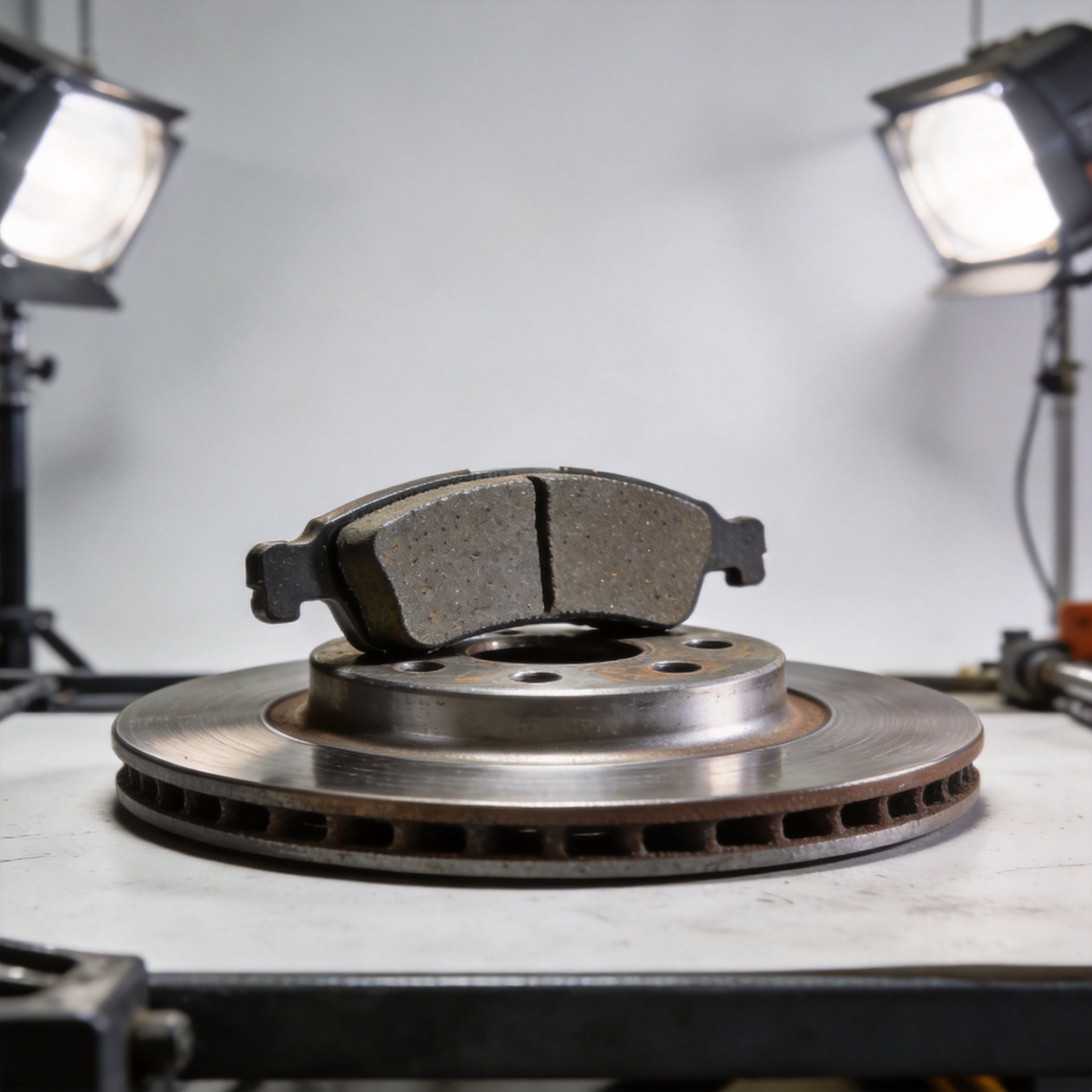
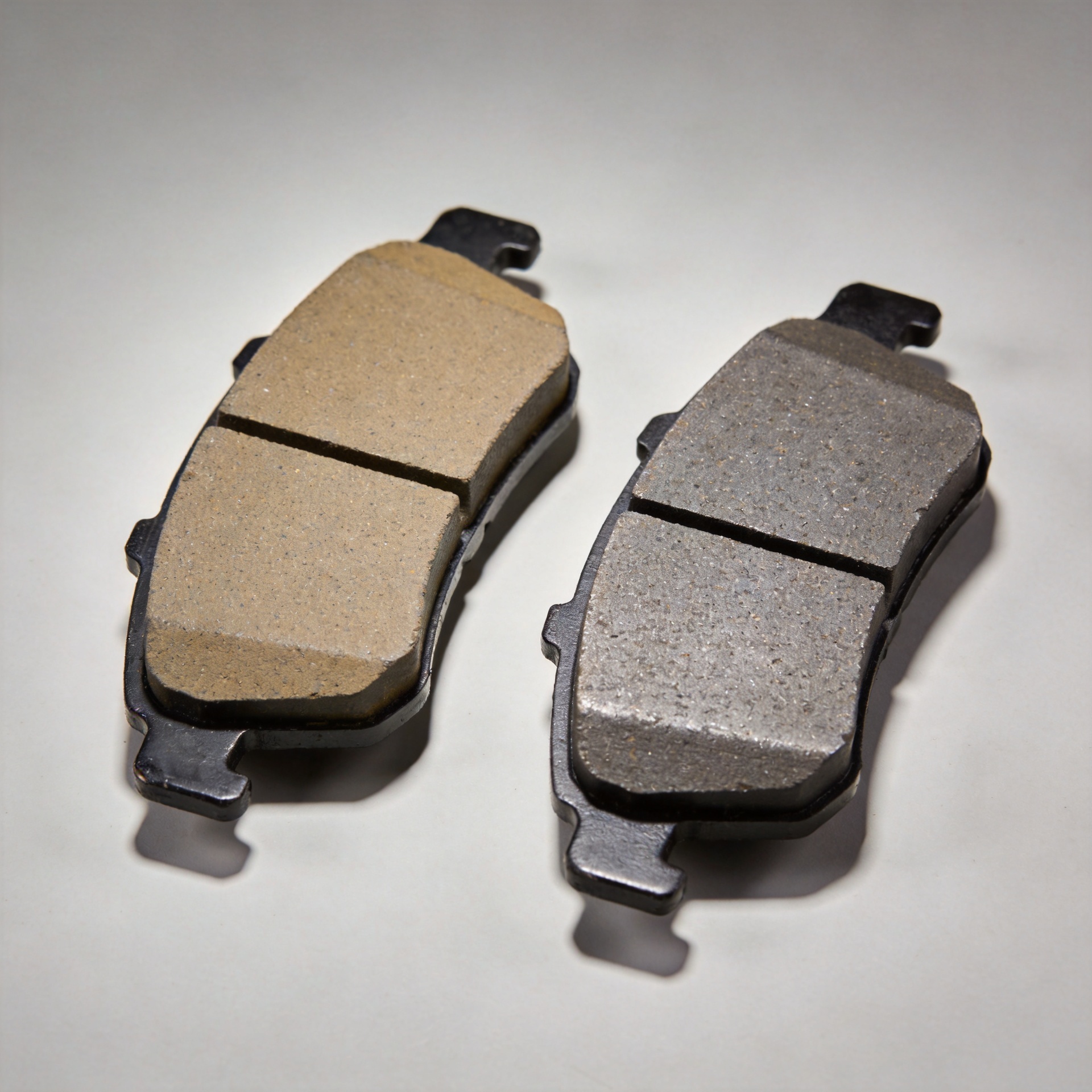
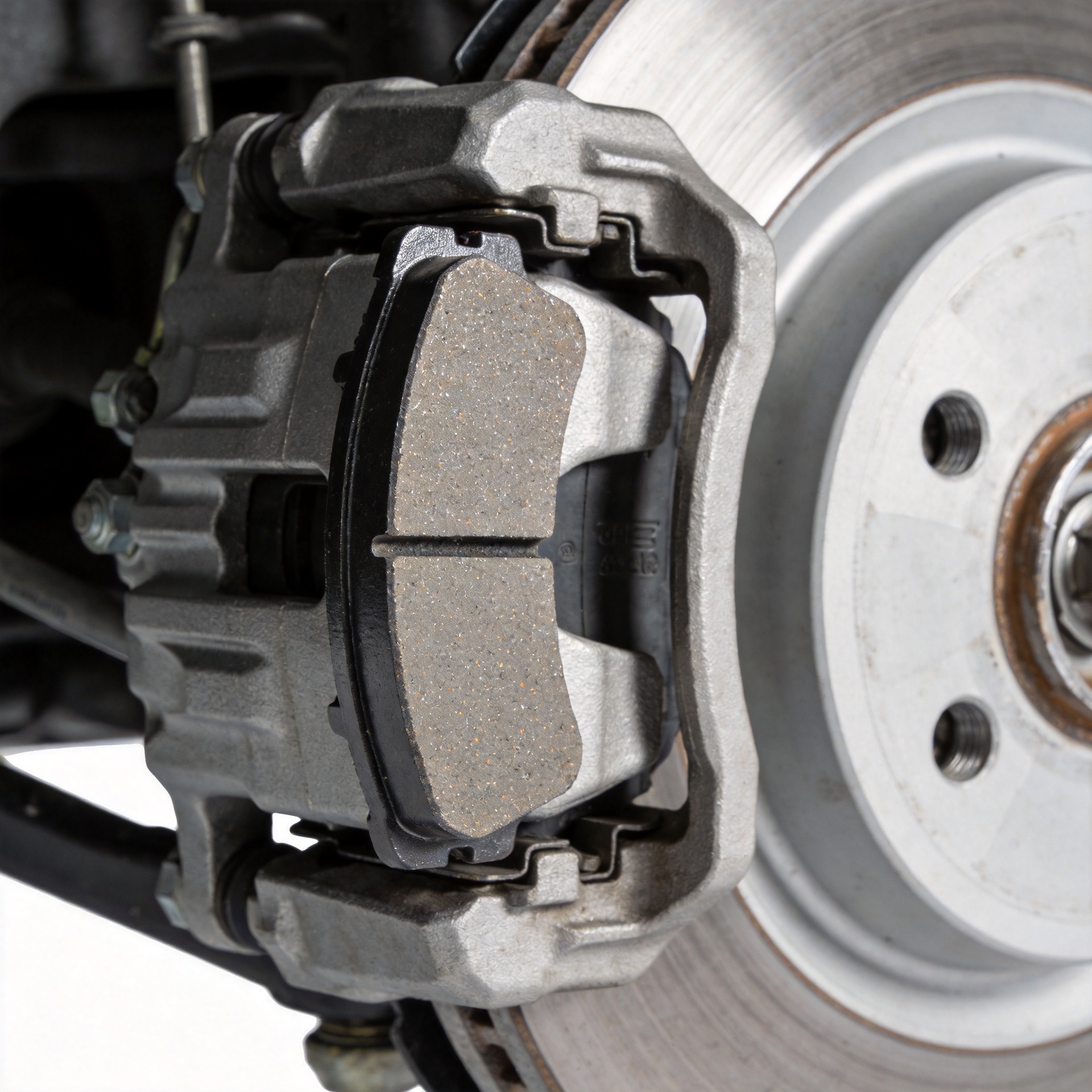
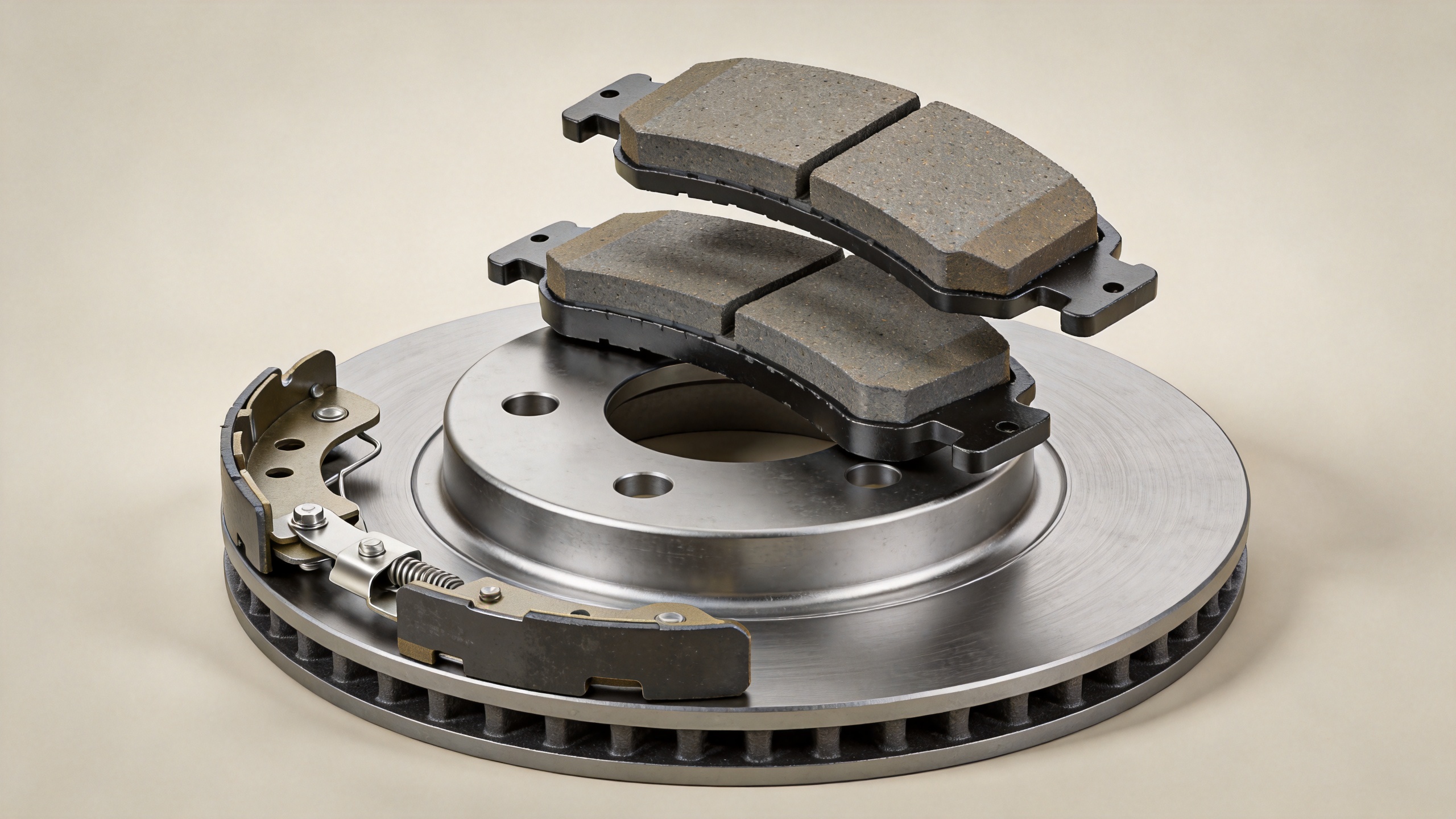
A brake lining is the friction material that creates braking torque when it contacts a rotating surface. In disc-brake language, the lining is normally bonded or mechanically retained on a backing plate as part of a finished brake pad assembly. The finished pad may also include slots, shims, clips, chamfers, an insulator layer, and a defined plate shape. Therefore, “semi metallic brake linings” can describe the friction material itself, while “semi-metallic brake pads” more commonly describes the finished service part.
That distinction matters in an RFQ. A material developer may be able to discuss a lining formulation, density, compressibility, friction behavior, and wear under a stated test method. A parts buyer also needs the backing-plate drawing, pad dimensions, hardware content, vehicle application, packaging, and labeling requirements. A quote that says only “semi metallic brake linings” is incomplete if the intended purchase is a ready-to-install pad set.
What “semi-metallic” tells you—and what it does not
Semi-metallic is a broad material-family description. It generally refers to a friction formulation that includes metallic constituents together with binders, fibers, lubricants, abrasives, and other ingredients. It is not a universal recipe, an assured performance grade, or a direct substitute for a vehicle application number.
In practical sourcing discussions, the phrase can signal that a buyer expects a material positioned differently from ceramic or NAO formulations. Yet material-family labels alone do not determine noise, dust, rotor interaction, pedal feel, heat response, or service life. Those outcomes depend on the complete formulation, the mating disc, caliper design, vehicle mass, driving cycle, environmental conditions, and manufacturing consistency.
A useful correction during a technical call is: do not ask whether semi metallic brake linings are “better” in general. Ask better for which vehicle, duty cycle, target friction range, noise objective, and validation plan. That small change turns a category debate into a specification conversation.
A buyer’s terminology map
| Term | What it usually means | What to confirm before ordering |
|---|---|---|
| Brake lining | The friction material that contacts the rotor or drum surface. | Material identification, thickness, intended mating surface, test method, and acceptance criteria. |
| Brake pad | A disc-brake service component: lining plus backing plate and, where applicable, hardware or noise-control features. | Part number, drawing, dimensions, backing plate, accessories, axle position, and vehicle fitment. |
| Semi-metallic | A broad friction-material family, not a single formula. | Performance target, test conditions, material consistency, and application boundary. |
| Friction code | A marking or classification used in some markets to communicate friction behavior under specified conditions. | Which standard applies, test report version, sample identity, and whether the code matches the quoted product. |
| OE-style fitment | A claim about geometry or application matching; it does not automatically confirm every material or validation requirement. | Vehicle year/make/model/trim, brake system variant, axle, and cross-reference basis. |
Separate material screening from vehicle compliance
Buyers should avoid treating a friction-material report as proof that an entire brake system meets a vehicle regulation. SAE J661 is commonly referenced as a laboratory procedure for reporting friction and wear characteristics of brake linings under defined conditions. It can help structure material comparisons, but its result must be read together with the stated sample, test schedule, and reporting conditions.
Vehicle-level rules answer another question. For example, FMVSS No. 135 addresses light-vehicle brake-system performance, rather than serving as a material-only certificate for an individual pad or lining. The takeaway is straightforward: request the evidence that matches the claim. Use material data to compare material behavior, and use application or system validation evidence when the purchasing decision concerns an installed vehicle brake system.
How to write an RFQ without leaving room for guesswork
For semi metallic brake linings, begin by saying whether you need raw friction blocks, preformed linings, or finished disc brake pads. Then state the intended application and attach the relevant drawing or part-number cross reference. If the product is a finished pad, include the backing plate profile and any required shim, clip, sensor, chamfer, or slot configuration.
- Product object: lining material, lining piece, or complete brake pad assembly.
- Application: vehicle platform, axle, brake-system variant, and target market.
- Material expectation: semi-metallic category plus the performance target—not an assumed formula.
- Evidence requested: sample identification, test method, report date, and the conditions used for reported friction and wear values.
- Commercial controls: sample approval process, batch traceability, packaging, labeling, and change-notification requirements.
If you are evaluating a complete product rather than a lining alone, review the supplier’s confirmed product record and geometry. For example, the rear ceramic brake pad product listing for Hyundai, Kia, and Nissan applications is a finished pad example. Its title indicates an application-oriented service part; it should not be reclassified as a semi-metallic item unless the supplier confirms the actual friction formulation for the quoted version.
Common purchasing mistakes to avoid
The first mistake is using “semi-metallic” as a fitment instruction. It is not. Two pads can both be called semi-metallic and still have different plate shapes, thicknesses, hardware, noise-control designs, or validation targets. The second is comparing test figures without checking the test method and conditions. A number without a sample identity and procedure is difficult to use responsibly.
The third mistake is allowing a category label to replace a quality-control plan. For semi metallic pads, buyers should define what happens when the approved formulation, backing plate, process, or material source changes. Agree on drawings, inspection points, retention samples where appropriate, and the process for reviewing deviations before series supply.
Make the terminology work for your purchasing team
Use “brake lining” when the discussion is about the friction material. Use “brake pad” when the discussion is about the complete disc-brake component. Use “semi-metallic” as a material-family starting point, then add the performance, application, and verification details that make the request actionable.
For buyers, the most reliable order language is precise but simple: identify the part, identify the vehicle application, state the material expectation, and list the evidence required for approval. That approach makes semi metallic brake linings easier to compare, reduces supplier-to-supplier ambiguity, and gives your team a clearer basis for sampling and ongoing quality communication.