 EN

Are Ceramic Brake Pads Better for Your Application? A Selection Checklist
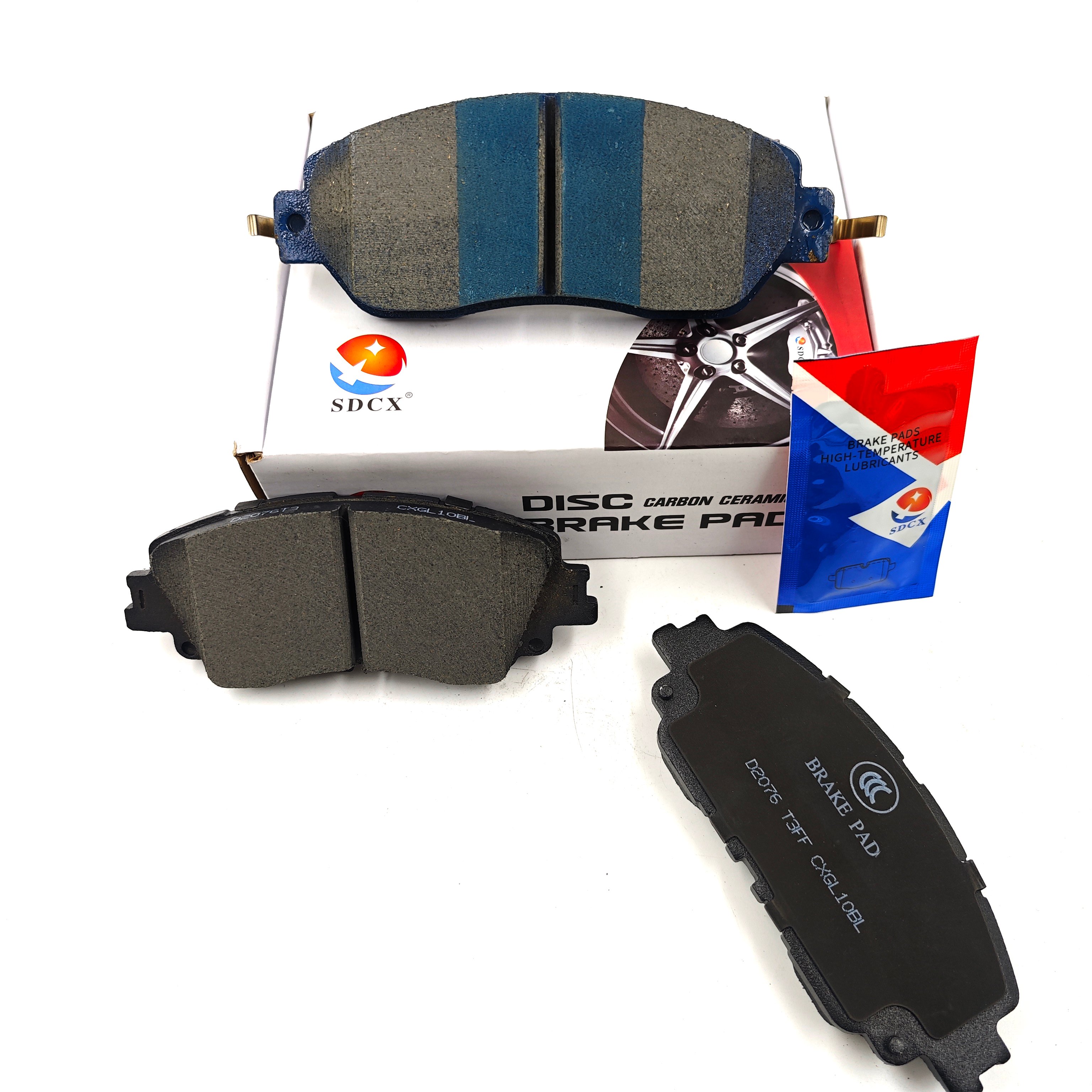
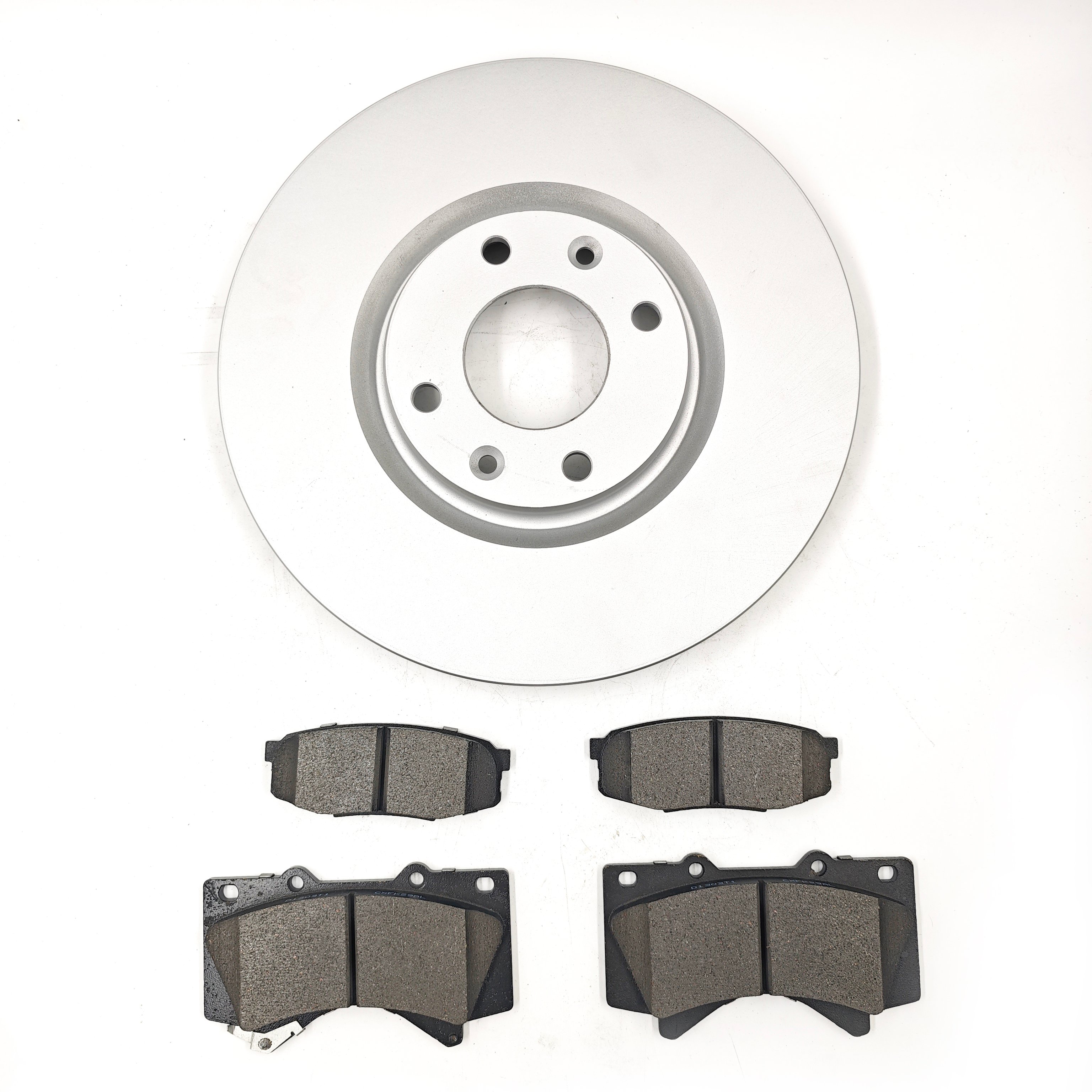
Are ceramic brake pads better? The useful answer is: they can be, but only when the vehicle, duty cycle, noise target, dust expectation, and validation requirements point in the same direction. For a distributor or brake-parts brand, “ceramic” is not a universal upgrade label. It is one friction-material option to evaluate against fitment and real operating conditions.
This checklist takes a neutral buyer view. Rather than asking which material wins in every situation, ask which formulation gives the intended vehicle a balanced result for braking feel, noise, wheel cleanliness, wear behavior, and commercial positioning.
Start with the application, not the material name
Before comparing formulas, define the vehicle and service conditions. Passenger vehicles used mainly for routine commuting may prioritize quiet operation and low visible dust. Vehicles that see repeated high-load use, mountain routes, towing, or demanding fleet cycles may place more weight on heat management and consistent response under the specified operating profile.
That distinction matters because “ceramic” describes a broad family of friction formulations, not a guarantee of identical behavior. The right comparison is therefore not ceramic versus everything else in the abstract. It is a matched comparison among pads designed for the same axle, rotor, vehicle platform, and intended use.
Compare ceramic, semi-metallic, and metallic brake pads by decision criteria
| Decision criterion | Ceramic brake pads | Semi-metallic or metallic-oriented pads | What to verify |
|---|---|---|---|
| Noise expectation | Often selected where refined, quiet daily driving is important. | May be chosen where other duty-cycle priorities lead the specification. | Request NVH test context for the target vehicle and hardware. |
| Visible dust | Commonly associated with lower or less noticeable wheel dust in many passenger-car applications. | Dust characteristics vary by formula and rotor pairing. | Confirm the comparison uses the same vehicle and test conditions. |
| Duty cycle | Can suit many normal passenger-car applications when properly engineered and matched. | May be considered for more demanding profiles where the development target calls for it. | State load, speed, ambient conditions, terrain, and repeated-stop requirements. |
| Commercial position | May support a comfort- and cleanliness-focused aftermarket offer. | May support a performance- or duty-focused offer. | Align the product claim with evidence, price point, and customer expectation. |
The question brake pads metallic vs semi metallic vs ceramic is more usefully answered with this kind of evidence-led comparison. A formula should not be promoted simply because one material category sounds more premium.
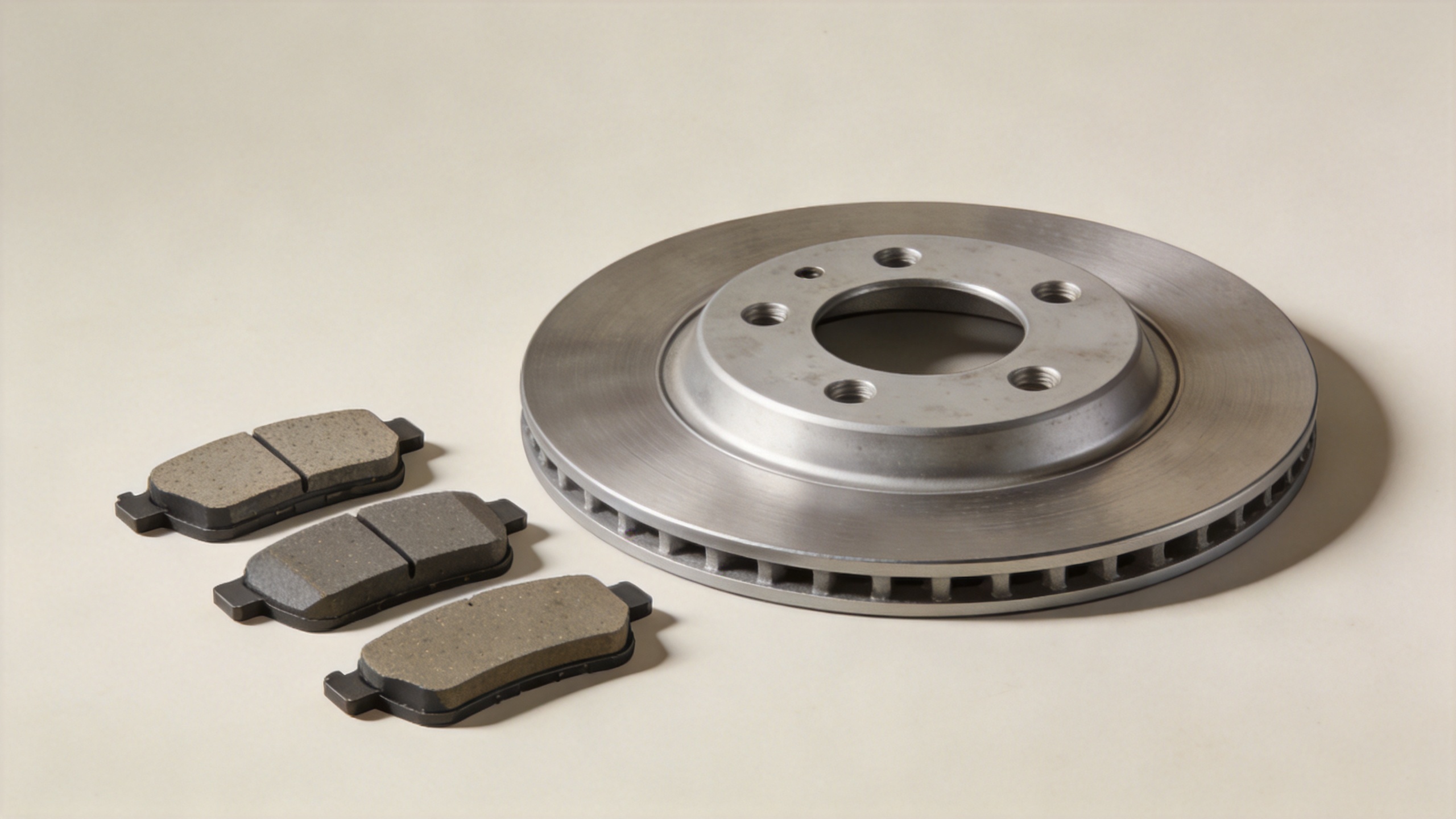
Use noise, dust, and maintenance expectations as separate checks
Noise, dust, and wear are related, but they are not the same requirement. A buyer may want a quieter replacement pad because the vehicle owner values cabin comfort. Another buyer may be more concerned with the appearance of alloy wheels. A fleet buyer may focus on predictable replacement intervals and stable supply. Treat each as a separate acceptance criterion.
It is also worth correcting a common shortcut: low visible dust does not remove the need to inspect the brake system. Rotor condition, caliper movement, hardware, bedding procedure, and correct installation can all affect the result. If a complaint occurs after fitment, the friction material should be assessed alongside the complete brake corner rather than in isolation.
Where semi-metallic vs ceramic brake pads becomes a practical choice
When comparing semi metallic vs ceramic brake pads, start with the vehicle’s expected operating profile. Ceramic pads may be a strong fit when the program prioritizes smooth, quiet, everyday passenger-car use and a clean-wheel experience. Semi-metallic formulations may be worth evaluating when the target application has a different thermal, response, or duty-cycle emphasis. Neither conclusion should be made without the actual formulation and vehicle-level data.
For U.S. light-vehicle contexts, FMVSS No. 135 concerns hydraulic service brake systems at the vehicle level. That is a useful reminder for procurement teams: a pad material label alone does not establish system compliance. Requirements should be verified for the intended market, vehicle, and replacement-part program.
Ask for validation evidence that matches the claim
A practical purchase review should ask what was tested, on which hardware, and under what conditions. SAE J2522 is an inertia-dynamometer effectiveness test procedure used to screen brake friction materials. It illustrates why credible technical discussions need a test context rather than a material-name claim alone.
- Confirm exact vehicle, axle, pad shape, and rotor pairing.
- Ask which performance, noise, wear, and recovery conditions were evaluated.
- Check whether the evidence applies to the intended market and operating environment.
- Review consistency controls for the formula, backing plate, shims, hardware, and batch traceability.
- Keep installation and bedding guidance aligned with the application.
A ceramic brake-pad selection checklist for distributors
- Define the fitment: verify OE cross-reference, vehicle platform, axle, and dimensions before discussing material benefits.
- Rank the buyer priorities: decide whether noise, dust, operating profile, service life, price, or branded positioning matters most.
- Compare like for like: evaluate ceramic and semi-metallic options intended for the same application—not unrelated pad categories.
- Request relevant evidence: link each comfort or performance claim to applicable development or validation information.
- Plan the aftersales message: communicate that brake-system condition and correct installation remain essential.
- Review supply execution: confirm packaging, identification, batch control, and the documentation your channel requires.
Product-link example: keep the claim within the evidence
For buyers sourcing a ceramic disc brake pad reference for a Mercedes-Benz application, review the listed fitment and technical documentation before making program-level claims. The available product page is 0054201020 D1342 ceramic disc brake pads for Mercedes-Benz. Its presence supports a product-page review; it does not, by itself, prove suitability for every vehicle or operating condition.
Bottom line: better means better matched
Are ceramic brake pads better? They may be the better choice when a matched passenger-car application values quiet operation, manageable visible dust, and a comfort-oriented aftermarket position. They are not automatically better for every duty cycle, market, or brake-system configuration. Use the checklist to turn a material-category debate into a documented selection decision, then validate the final choice on the target vehicle and hardware.