 EN

Organic vs Ceramic Brake Pads: How the Terminology Affects Selection
When a buyer asks whether a vehicle needs organic or ceramic brake pads, the useful answer is not simply “ceramic is better.” The terms identify broad friction-material families, not a universal ranking. For distributors, private-label teams, and brake-pad brands, understanding the wording is the first step toward asking suppliers for the details that actually determine fit: vehicle platform, duty cycle, noise target, dust expectation, rotor behavior, and validation requirements.
The distinction matters because catalogue language often compresses a complicated formulation into one word. “Organic,” “NAO,” “ceramic,” “low-metallic,” and “semi-metallic” overlap in everyday conversation, yet they should lead to different technical questions. A practical selection process starts with terminology, then moves to the application.
Start with what the material labels really mean
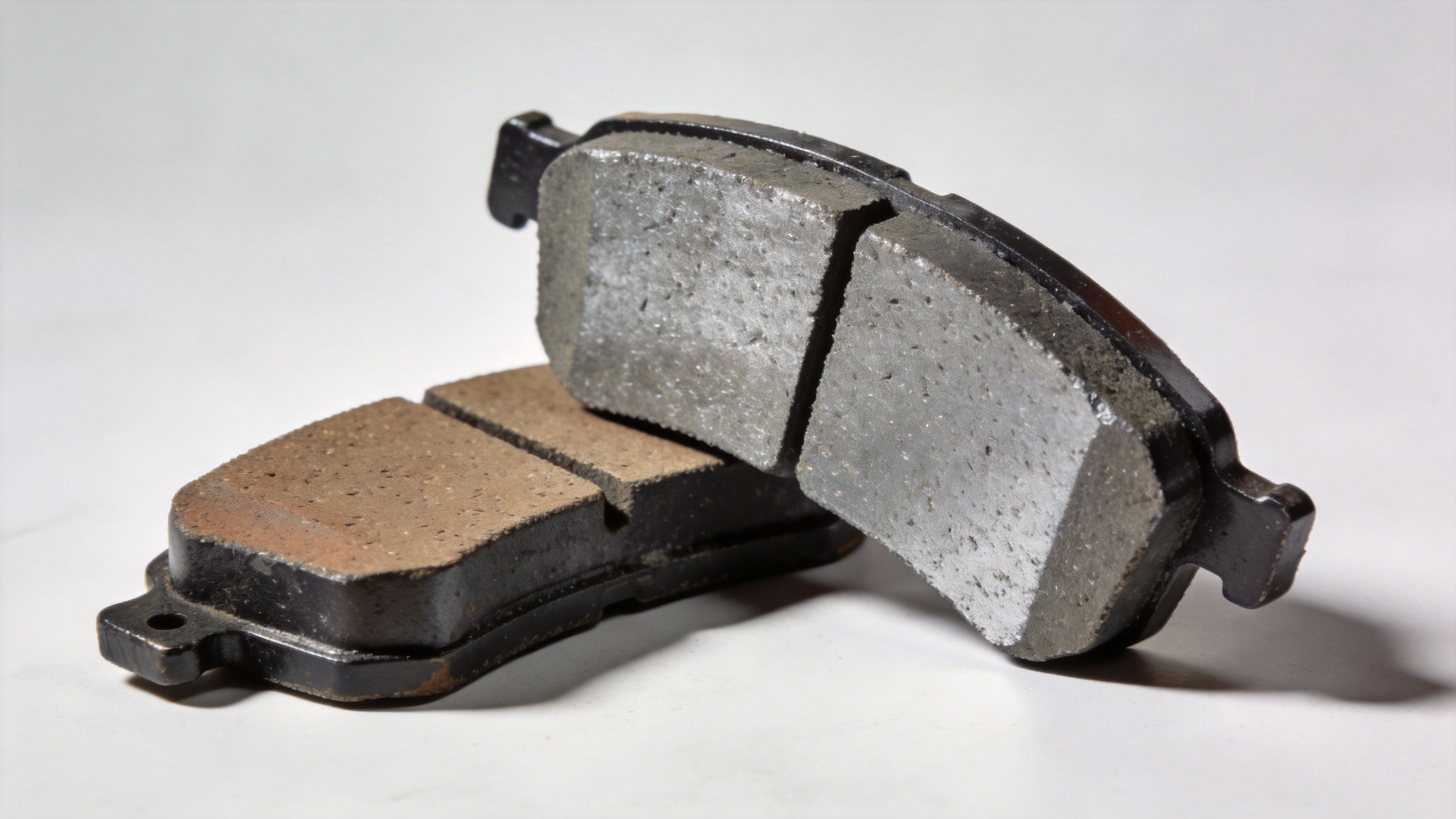
Organic pads are commonly discussed as non-asbestos organic (NAO) pads. Their friction materials are predominantly non-metallic and are held together with resin-based binders. That description is useful, but it is still a category—not a complete formula. Fiber type, fillers, resins, abrasives, lubricants, and the amount of metal can differ from one formulation to another.
Ceramic pads are another friction-material category. In an aftermarket conversation, “ceramic” usually describes a pad compound formulated with ceramic-based materials and other ingredients chosen to balance braking behavior, noise, dust, wear, and heat management. It does not automatically mean the vehicle has a carbon-ceramic brake system. Those are different products and should not be treated as interchangeable in a request for quotation.
For comparison, brake pads metallic vs semi metallic vs ceramic is a useful search phrase because it reminds a buyer that organic and ceramic are not the only choices. Semi-metallic and low-metallic pads may use a higher metallic content, which can suit particular temperature, response, and duty requirements. The right category depends on the vehicle and operating conditions rather than a single label on a box.
Why “organic or ceramic brake pads” is the wrong final question
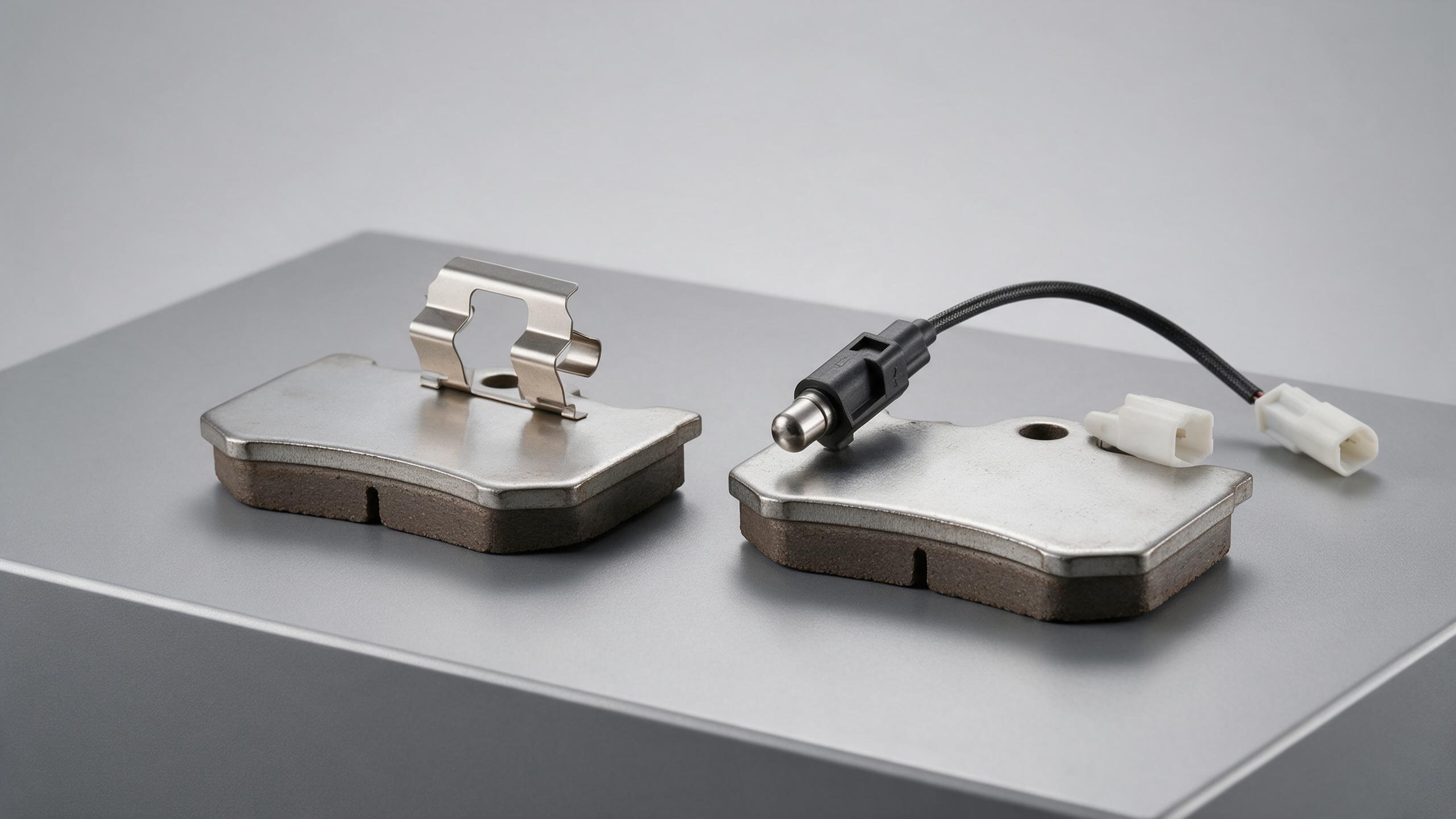
As an opening question, organic or ceramic brake pads is perfectly reasonable. As a final buying criterion, it is too broad. Two pads sold under the same category can behave differently because their formulations, backing plates, shims, slots, chamfers, hardware, and target applications are different.
Instead of asking only which material category fits, convert the question into a selection brief:
- Which vehicle make, model, year, axle, and brake-system configuration is involved?
- Is the vehicle used primarily for urban commuting, highway travel, frequent stops, loaded operation, or more demanding service?
- Which outcome carries the most weight: low noise, low visible dust, rotor compatibility, pedal feel, service life, or cost position?
- What temperature exposure and braking frequency should the formulation tolerate in the intended market?
- Which market-specific standards, test methods, packaging requirements, or labelling rules must the supplied pad meet?
These questions turn terminology into an actionable sourcing discussion. They also help prevent a distributor from comparing a light-duty passenger-car ceramic formulation with a semi-metallic pad intended for a different vehicle use case.
Where ceramic pads may fit—and what they do not promise
Ceramic pads are often considered when buyers prioritize a refined daily-driving experience, especially where noise control and cleaner-looking wheels are important to the customer. In many applications, the category is associated with lower visible dust and a smoother noise, vibration, and harshness (NVH) target than some alternatives. However, category-level associations are not guarantees. The actual result must be confirmed for the exact part number, rotor pairing, and vehicle application.
When evaluating a ceramic offer, ask for application coverage and the supplier’s validation approach. Confirm whether the compound was developed for the relevant platform rather than merely classified as ceramic. It is also sensible to review the friction-material designation alongside hardware, shim design, and installation instructions, since system-level details affect the end-user experience.
For an example of a clearly identified application, buyers can review the product listing for 0054201020 D1342 SDCX ceramic disc brake pads for Mercedes-Benz. The listing can support an application-specific discussion; it should not be used to assume that the same characteristics apply to every ceramic pad.
Where organic/NAO pads may fit
Organic or NAO compounds are frequently considered for everyday passenger-car applications where a progressive pedal feel and quiet operation are priorities. Their largely non-metallic material balance can make them appropriate for specified light- to moderate-duty conditions. Yet “organic” does not mean a buyer can skip application validation. A formulation that works well on one vehicle may not meet the noise, wear, or temperature requirements of another market or driving profile.
For private-label programmes, the key is to define the performance window before choosing the label. A supplier should be able to discuss the intended vehicle range and help distinguish a catalogue category from a fit-for-application formulation. This prevents an organic/NAO request from turning into a generic price comparison.
Do not collapse ceramic, semi-metallic, and low-metallic terminology
Buyers researching semi metallic vs ceramic brake pads often see simplified claims that one material type will stop better, last longer, or run quieter in every case. Such claims overlook the real trade-offs. Metallic content can influence thermal behavior, friction response, noise control, and rotor interaction, but the final outcome depends on the complete compound and system design.
| Term | Useful starting interpretation | Question to ask before selecting |
|---|---|---|
| Organic / NAO | Predominantly non-metallic friction-material family. | What vehicle duty, noise target, and wear expectation was the formula developed for? |
| Ceramic | Ceramic-based friction-material family commonly positioned for refined passenger-car applications. | Which application-specific tests support the desired dust, noise, and braking characteristics? |
| Low-metallic / semi-metallic | Material families with more metallic content than typical NAO formulations. | How does the formulation balance thermal demand, pedal response, rotor compatibility, and NVH? |
Treat the table as a conversation guide rather than a specification sheet. It helps purchasing teams compare like with like and avoids treating a label as a substitute for fitment or testing information.
A buyer checklist for comparing offers
- Lock the application first. Confirm OE number or interchange reference, axle position, vehicle coverage, and intended market.
- State the operating profile. Describe load, stop frequency, road conditions, climate, and any performance concerns reported by the market.
- Rank the priorities. Decide whether quiet operation, dust control, friction stability, service interval, or price positioning leads the decision.
- Request evidence, not labels alone. Ask how the supplier validates the pad for its stated application and what documentation can be reviewed.
- Evaluate the full brake-pad assembly. Include backing plate, shim, slots, chamfers, accessories, packaging, and traceability needs in the comparison.
- Plan a controlled evaluation. Where practical, compare shortlisted options on the same vehicle and rotor condition instead of drawing conclusions from category names alone.
Make terminology work for your brake-pad programme
The most useful answer to organic or ceramic brake pads is therefore conditional: choose the material family only after the application and decision priorities are clear. Organic/NAO, ceramic, and metallic-based categories give buyers a useful starting vocabulary, but they do not replace technical matching.
For brands and distributors serving passenger-car markets, a stronger RFQ identifies the application, target market, expected duty, and the outcomes that matter most to end users. With that brief in hand, a supplier can discuss whether organic, ceramic, low-metallic, or semi-metallic friction material is the more appropriate direction—and what needs to be verified before launch.