 EN

Brake Pad Break-In: Why Bedding Procedures Matter
After a brake service, the first few drives matter. A brake pad break in—also called bedding or burnishing—is the controlled conditioning period for new pads and the rotor surface. It is not a sales feature and it is not a substitute for correct fitment. It is a practical process that helps the friction pair begin work under more even conditions.
For distributors, wholesalers, and brand teams handling noise or maintenance questions, the useful starting point is simple: confirm the vehicle application, the pad material, the rotor condition, and the pad maker’s instructions before suggesting a procedure. A ceramic brake pad may be selected for a particular vehicle program, but its break-in advice still needs to match the actual product and installation context.
What a brake pad break in is designed to do
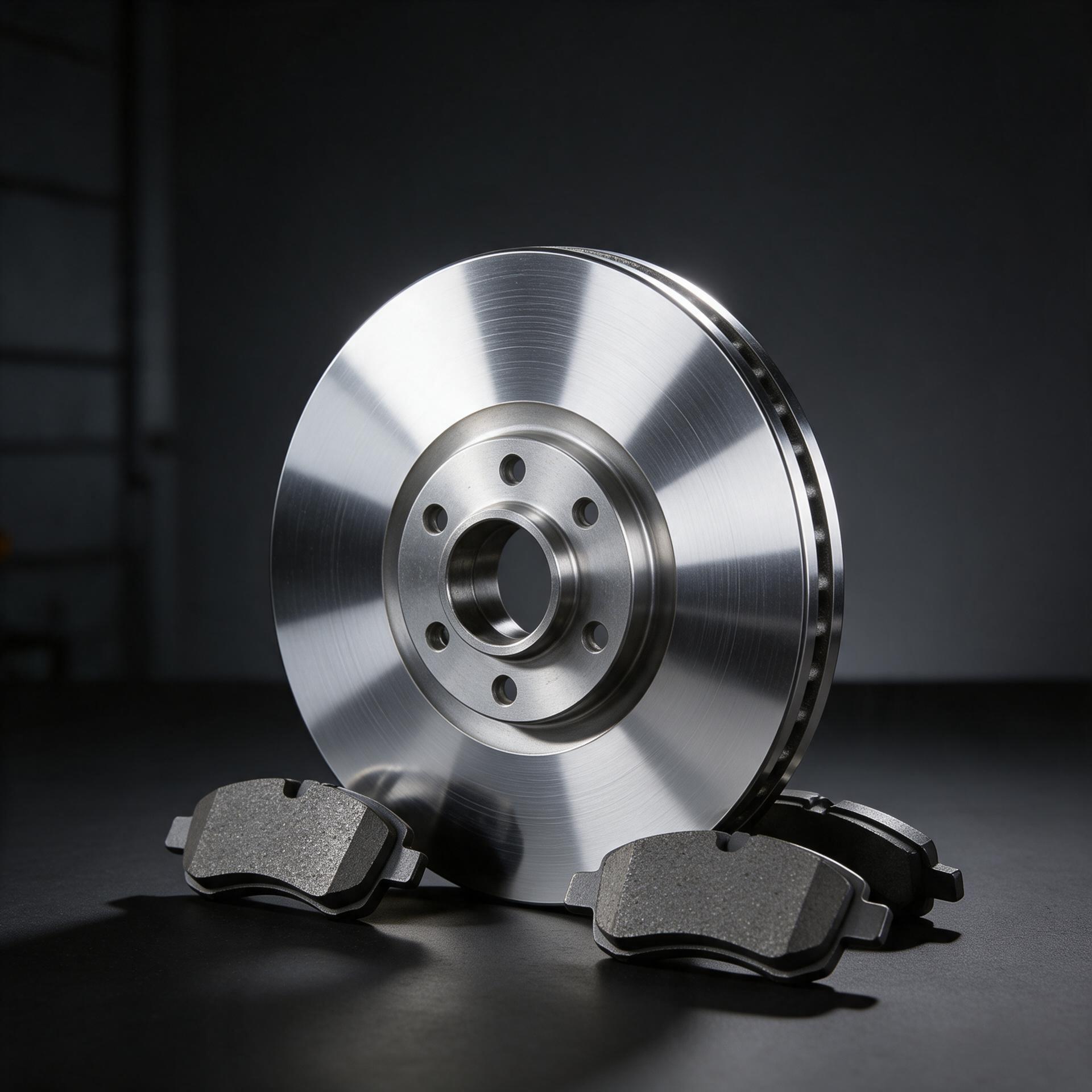
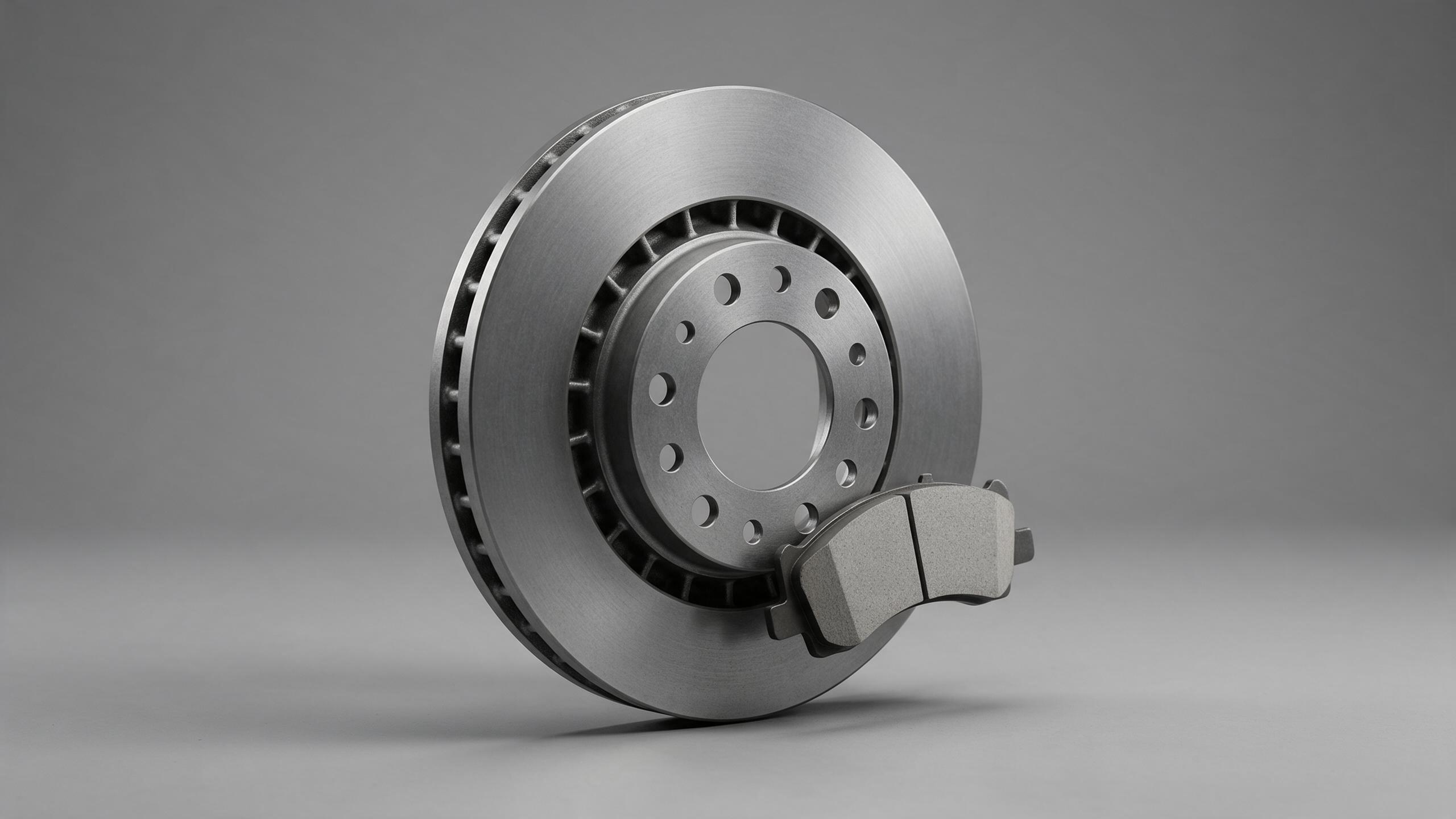
A brake pad break in gradually brings the pad and rotor into repeated contact and controlled temperature cycles. The aim is to establish a thin, reasonably even transfer layer of friction material on the rotor. That layer helps the two surfaces interact more consistently than they can immediately after installation.
The terms break-in, bedding-in, and burnishing are often used for the same conditioning idea. They do not mean that every brake system should follow one fixed speed, stop count, or road test. Vehicle mass, rotor condition, friction formula, installation work, and the manufacturer’s procedure can all change the appropriate sequence.
For a buyer handling aftersales feedback, this distinction is important. A complaint about squeal, vibration, or inconsistent feel cannot be assigned to the pad alone without checking the full friction pair and the service process. The brake pad break in is one checkpoint in that broader review.
Why bedding matters for noise and maintenance conversations
Brake noise is rarely explained by a single factor. Pad material, backing-plate hardware, rotor finish, runout, caliper movement, contamination, and driver use can all matter. Still, an uneven early transfer layer can add another variable. If hot pads are held firmly against a stopped rotor after repeated braking, localized deposits may form. That is one reason many technical procedures advise avoiding a long, hard pedal hold immediately after a hot stop.
This is also where a brake pad break in becomes a maintenance communication tool rather than a vague instruction. Instead of promising that bedding will solve every sound, a distributor can explain what it addresses: initial surface conditioning and a more controlled start for the friction pair. If the symptom remains, the next step is inspection—not repeated aggressive braking.
There is a useful mindset change here. The question is not, “Did the installer do enough hard stops?” It is, “Was the relevant procedure followed safely for this pad, rotor, and vehicle configuration?” That framing keeps the discussion tied to verifiable conditions.
A practical, manufacturer-led approach
The exact brake pad break in sequence should come from the pad manufacturer or the vehicle service information. As a general framework, the work normally includes these stages:
- Check the installation before driving. Confirm pad fit, hardware placement, rotor condition, fastener torque, fluid level, and normal pedal operation. A bedding sequence should not be used to mask an installation issue.
- Begin with low-load verification. Use gentle applications in a safe, traffic-free location to confirm that the brake system responds normally before building heat.
- Follow the specified braking cycles. The prescribed decelerations and cooling intervals should match the friction material. The objective is controlled heat, not an improvised maximum-effort test.
- Allow appropriate cooling. Heat management is part of the process. Avoid parking immediately after a demanding sequence with the pedal held firmly against a hot rotor when the product instructions caution against it.
- Record any continuing symptoms. If noise, pull, vibration, or warning lights remain, inspect the system and document the vehicle, parts, rotor condition, and procedure used.
Some technical references describe long burnish cycles, while others specify shorter staged procedures. That variation is exactly why a universal “20-stop rule” should not replace the instructions supplied with the friction product.
Common brake pad break in mistakes to avoid
Using a generic procedure for every material
Friction formulations do not all behave identically. Treating every replacement pad as if it needs the same brake pad break in can create avoidable confusion. Keep the package documentation or supplier guidance connected to the part number.
Skipping rotor and hardware checks
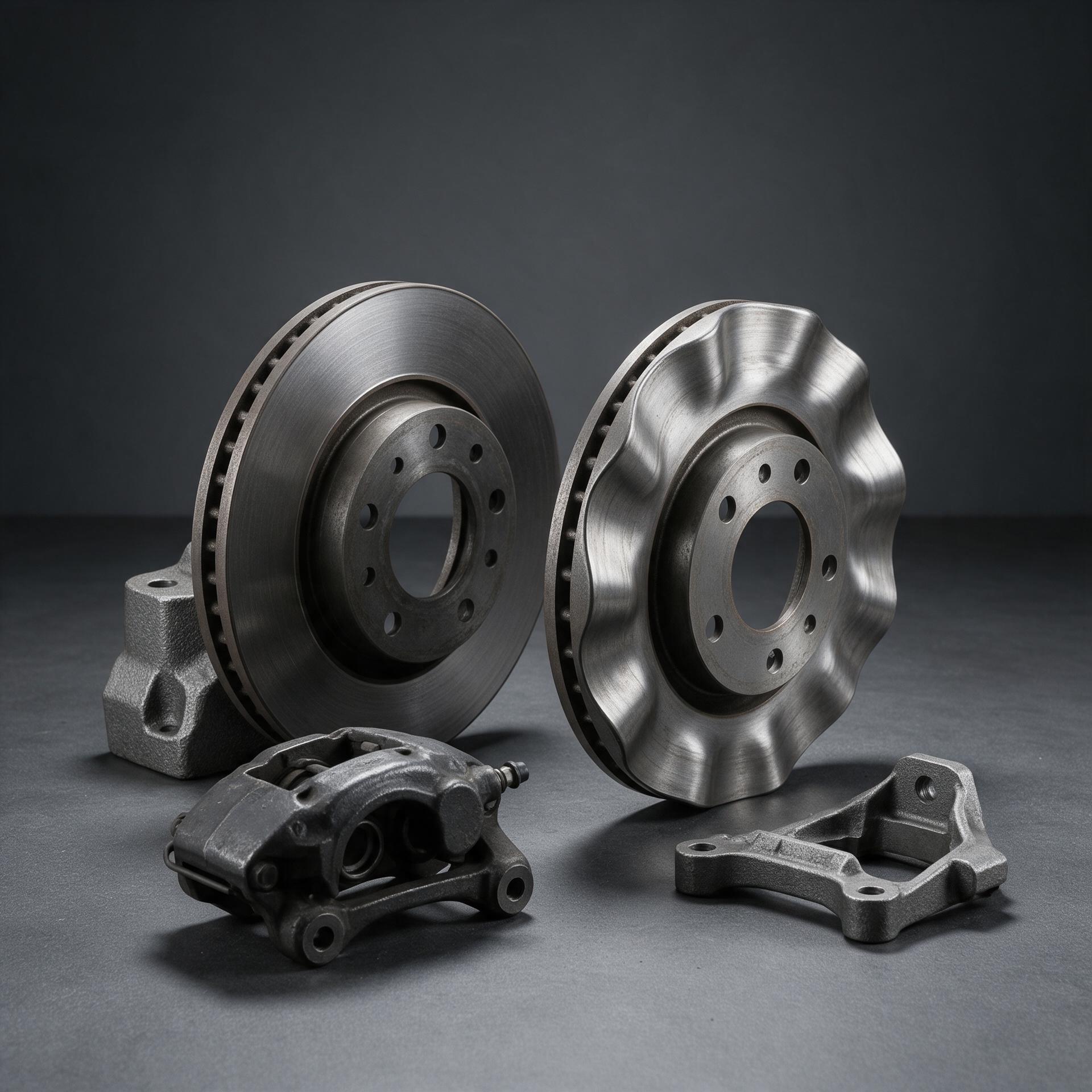
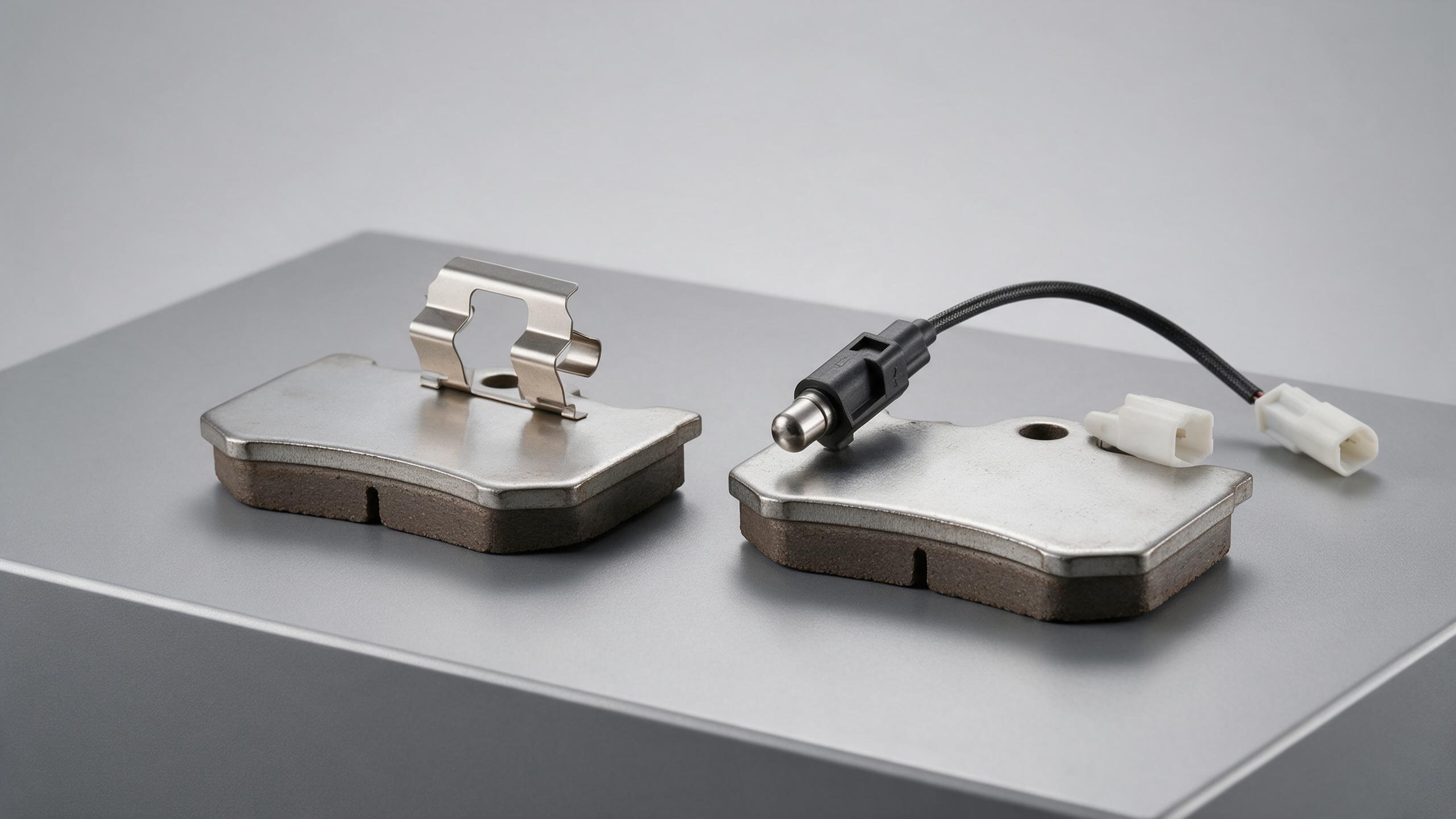
A clean procedure cannot correct a damaged, contaminated, or unsuitable rotor. Before discussing bedding, confirm the rotor service decision, mounting condition, caliper operation, shims, clips, and other hardware relevant to the application.
Interpreting a short-term noise report as proof of a pad defect
Early feedback deserves attention, but it needs context. Ask when the sound occurs, whether it changes with temperature, whether rotors were replaced or resurfaced, and whether the specified brake pad break in was completed. Those details make technical follow-up more useful.
What wholesalers should request before approving a brake pad program
For a vehicle-specific pad program, purchasing teams benefit from a short documentation checklist. Request the application coverage, friction-material description, bedding guidance, packaging identification, and the service contact path for claims analysis. Where a program includes a ceramic brake pad, ask how the supplier wants installers to handle the initial bedding period and what information is needed if a noise case is reported.
For catalog discussions involving the specified vehicle application, Shandong Changxu Auto Parts lists the CX-D1210 no noise premium ceramic brake pad for the specified vehicle application. The product page can support application-level catalog review; it should not replace confirmation of vehicle fitment, rotor condition, or the installation instructions supplied for the order.
Buyers can also ask for a clear escalation path: what photos, measurements, vehicle details, and service notes are needed if the brake pad break in did not produce the expected stable operating condition? Preparing that path before launch can make later maintenance conversations more efficient.
Key takeaway
A brake pad break in matters because it gives new pads and rotors a controlled start together. It supports consistent friction-surface conditioning and gives service teams a clear process to document. The procedure is not universal, and it does not remove the need for correct parts, correct installation, and a sound rotor system. For every order, follow the pad maker’s specified method and keep the vehicle application at the center of the decision.