 EN

How to Read a Brake Pad Part Number Before Checking Vehicle Fitment
A brake pad part number is a starting point, not a fitment verdict. If you are checking 04466 0e010, the useful first question is not “What car does it fit?” but “What kind of number is this, and what evidence must accompany it?” This distinction matters for brand buyers, wholesalers, and workshop-facing distributors because a familiar-looking number can describe an OE service set, a manufacturer reference, or a friction-shape cross-reference. Each has a different job in the verification process.
Search results commonly identify 04466 0e010 as a rear disc brake pad kit reference. That is helpful identification context, but it is not enough to approve an order. Before a buyer treats 04466 0e010 as a confirmed application, the buyer should establish the brake position, vehicle configuration, production range, and the physical pad and hardware requirements.
Start by classifying the number on the box or quotation
Part-number strings are often shortened, reformatted, or mixed with a supplier’s own stock code. With 04466 0e010, spaces and hyphens may vary across catalogues, so normalize the characters before comparing records. Then label the number by source:
- OE number: a vehicle-maker service reference, useful for a controlled cross-reference starting point.
- Manufacturer number: a pad maker’s internal identifier, which may point to a particular formulation, shim package, or market program.
- Friction or shape number: a geometry reference, such as D1210 brake pads, used to compare the backing plate and friction-block outline.
- Retail or warehouse number: a commercial code that still needs to be tied back to a technical record.
This classification avoids a common mistake: assuming every number on a listing performs the same function. 04466 0e010 can guide an OE-reference search; D1210 brake pads can help a buyer compare pad shape. Neither one alone proves the complete vehicle fitment.
Read OE, manufacturer, and friction numbers as a chain of evidence
Think of 04466 0e010 as one link in a chain rather than a universal answer. An OE reference can indicate the original service family and often suggests the brake position. A manufacturer number can identify the supplier’s equivalent or kit configuration. A friction number such as D1210 brake pads helps the technical team inspect shape compatibility. The chain becomes credible only when the links agree with the vehicle application and physical sample.
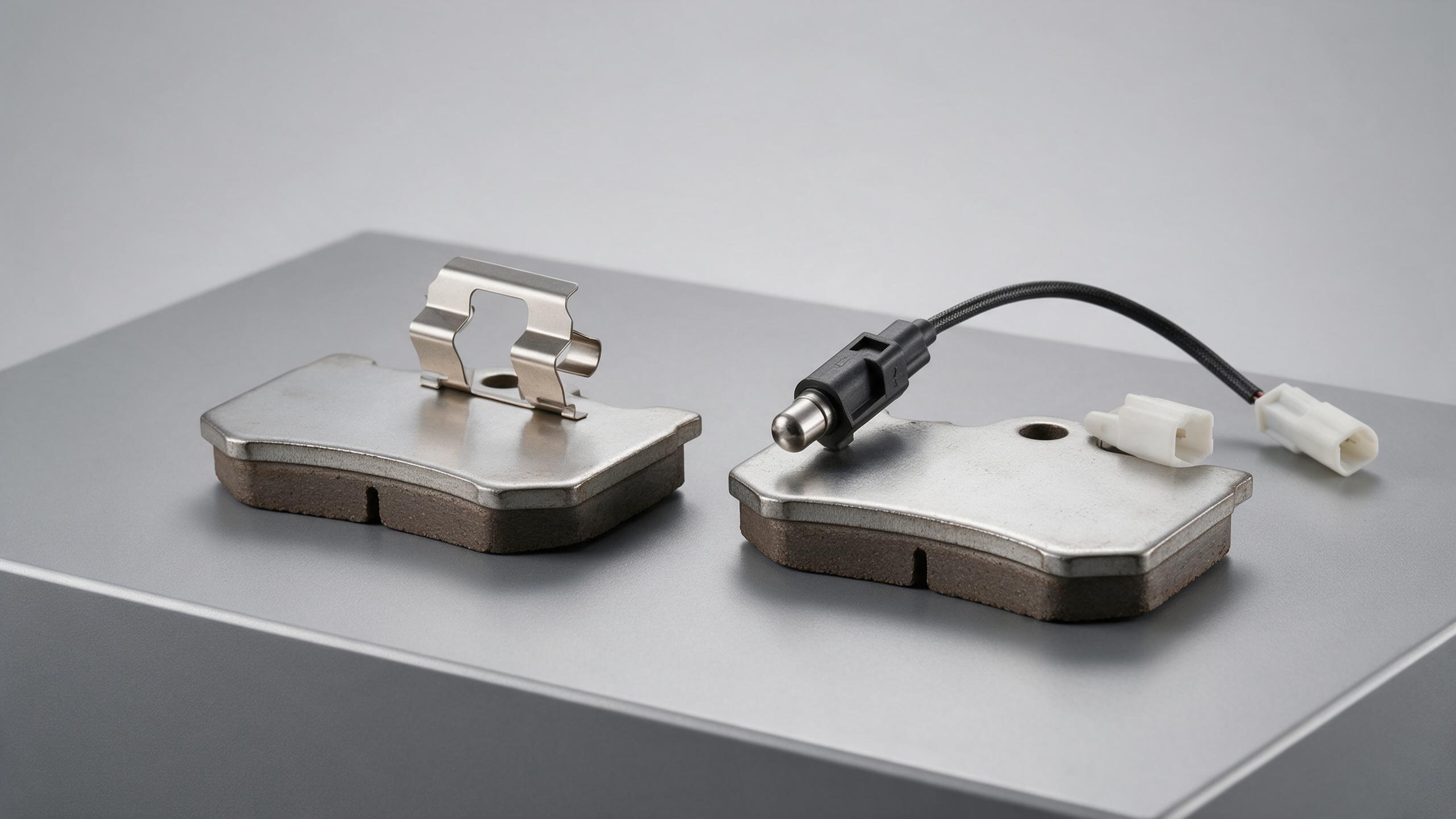
For example, a catalogue may return a rear-pad result for 04466 0e010. Do not stop there. Check whether the vehicle has a brake-system variation by drivetrain, engine, trim, model year, or market. Confirm whether the kit includes shims, clips, sensors, or fitting parts. A pad set that shares a family reference but omits required hardware may not match the customer’s intended replacement package.
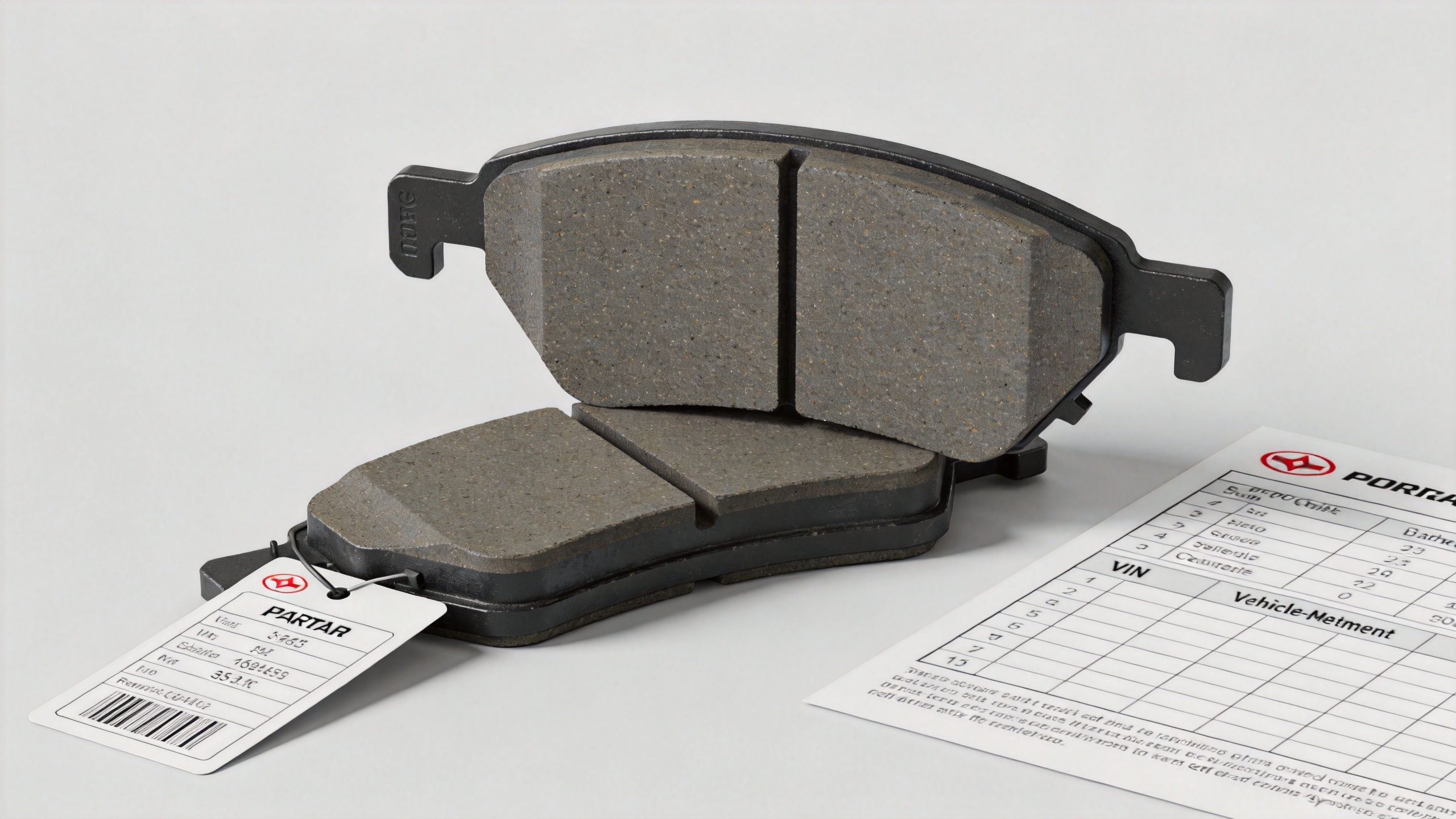
Use a fitment checklist before approving a cross-reference
For awareness-stage content, the aim is to make the verification problem visible before moving to product selection. A practical team can use this sequence whenever 04466 0e010 appears in an enquiry:
- Normalize the reference. Record the number as printed, then search formatted variants of 04466 0e010 without changing any digits.
- Confirm brake position. Identify front or rear service position from the approved catalogue record rather than relying on a photo caption.
- Capture vehicle identity. Obtain VIN or at least make, model, year, engine, drivetrain, and market. The more precise the vehicle identity, the less guesswork remains.
- Check application boundaries. Record the production-year range and any trim or brake-package conditions attached to 04466 0e010.
- Compare the physical geometry. Check backing-plate outline, length, height, thickness, ear locations, abutment contact points, and slot or wear-indicator positions. This is where D1210 brake pads may serve as a useful shape cross-reference.
- Confirm kit content. Verify pad quantity and included hardware. Do not assume that a rear-pad listing for 04466 0e010 includes the same accessories as another supplier’s kit.
- Document the decision. Keep the OE reference, vehicle data, catalogue source, measurements, and any sample comparison together in the approval record.
Why a correct-looking pad can still be the wrong replacement
Brake pads can look similar from the friction surface while differing at the backing plate, clip interface, thickness, or sensor arrangement. That is why a buyer should not use an image match as final evidence for 04466 0e010. A geometry number such as D1210 brake pads can narrow the comparison, but it still needs a dimensional check and application review.
There is also a purchasing-risk issue. When a distributor converts 04466 0e010 directly into a sales claim without verifying vehicle conditions, the error can travel into product labels, stocking plans, and customer quotations. A more defensible workflow separates identification from confirmation: first identify the probable pad family; then confirm the vehicle-specific fitment; then approve the commercial cross-reference.
Make supplier communication easier with a complete request pack
When asking a brake-pad supplier to verify 04466 0e010, send more than a number. Include the vehicle data, brake position, existing pad photos from both sides, measurements, hardware photos, and the desired friction-material direction if it is known. This turns a vague “Does 04466 0e010 fit?” question into a technical verification request.
For broader comparison work, a related catalogue item such as rear ceramic brake pads for Hyundai, Kia, and Nissan applications can illustrate how one product listing may contain several reference numbers. It should not be treated as an equivalent to 04466 0e010 unless its own catalogue and physical data support that conclusion.
Final takeaway
04466 0e010 is useful because it directs the verifier toward a rear brake-pad service reference. It does not remove the need to check application boundaries, geometry, and kit content. Read the OE number, supplier number, and friction-shape reference—including D1210 brake pads—as complementary clues. When those clues align with vehicle data and a physical comparison, a team can make a fitment decision with far more confidence.