 EN

How Ceramic Brake Pads Handle Heat in Daily Driving
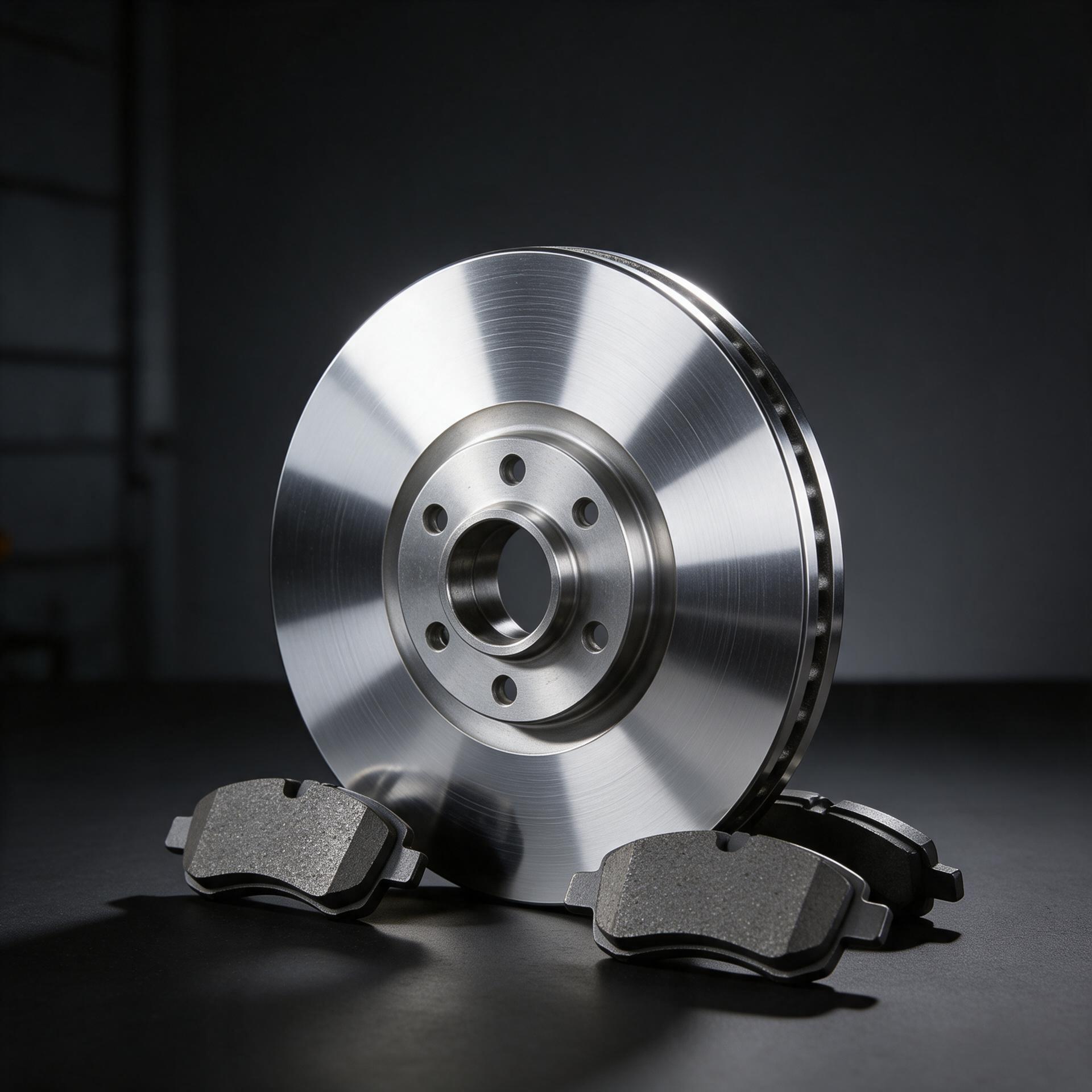
Every stop turns motion into heat. In normal commuting, that heat arrives in short cycles: a traffic light, a downhill approach, a busy highway exit, then time for the brake system to cool. Ceramic brake pads are commonly chosen for this rhythm because their friction material is engineered to deliver a stable, quiet, low-dust experience across ordinary passenger-car use. The important point is not that any pad is “heat-proof”; it is whether the pad, rotor, hardware, and vehicle application are matched to the real braking load.
From a brake-material technical perspective, the useful question is not simply whether ceramic brake pads get hot. They do. A better question is whether their friction response remains predictable as temperatures rise and then recover during the driving pattern the vehicle actually sees.
Why daily driving creates repeated heat cycles
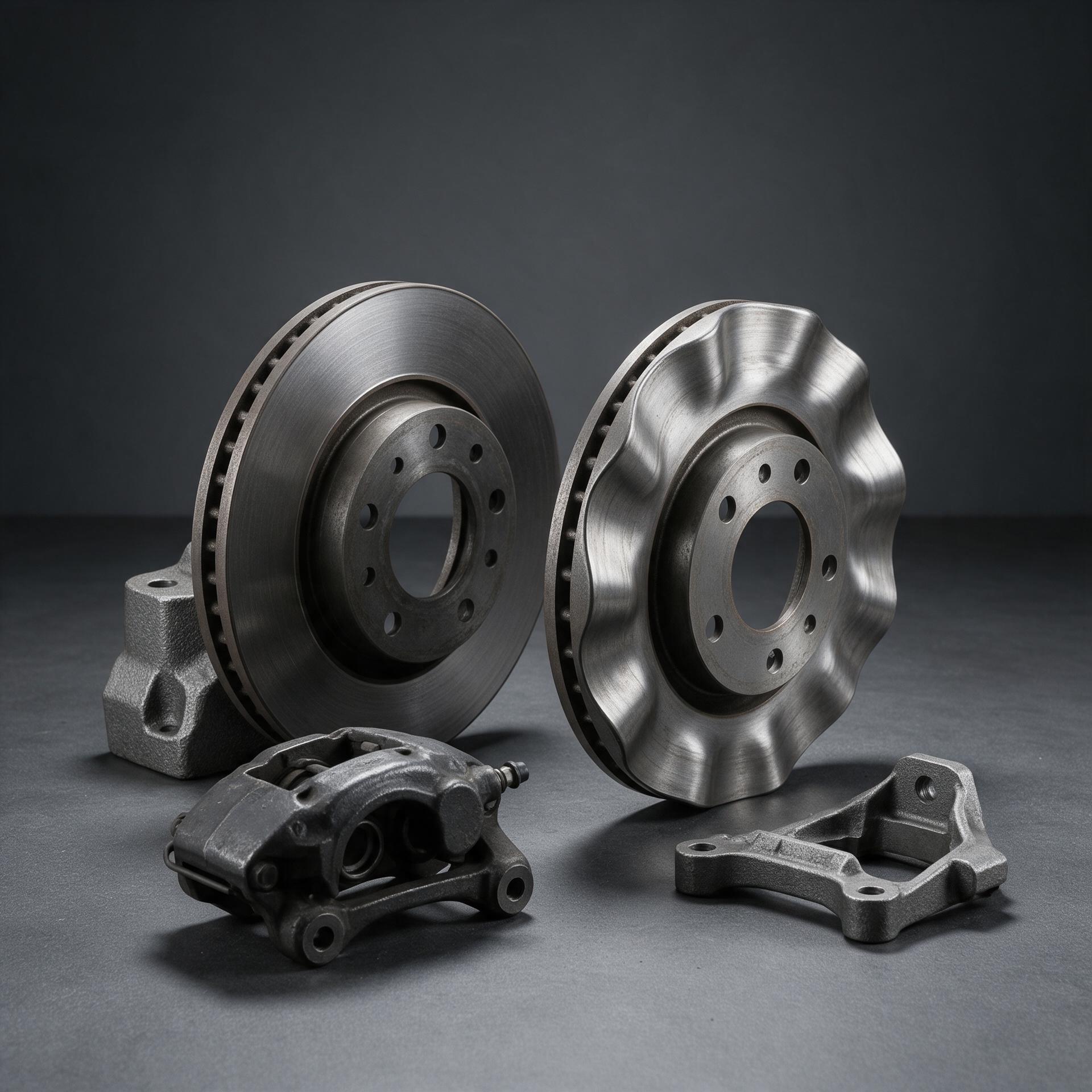
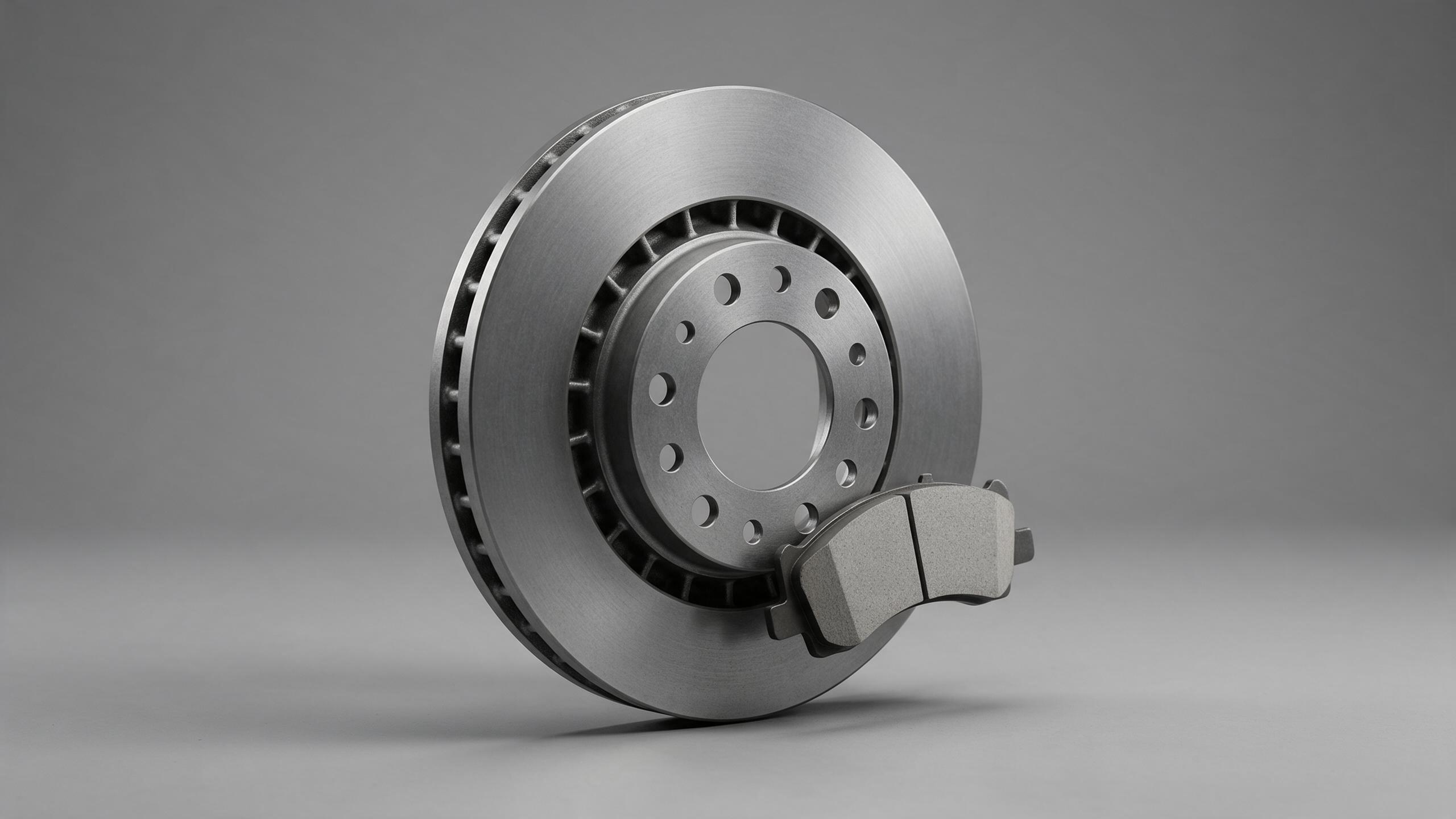
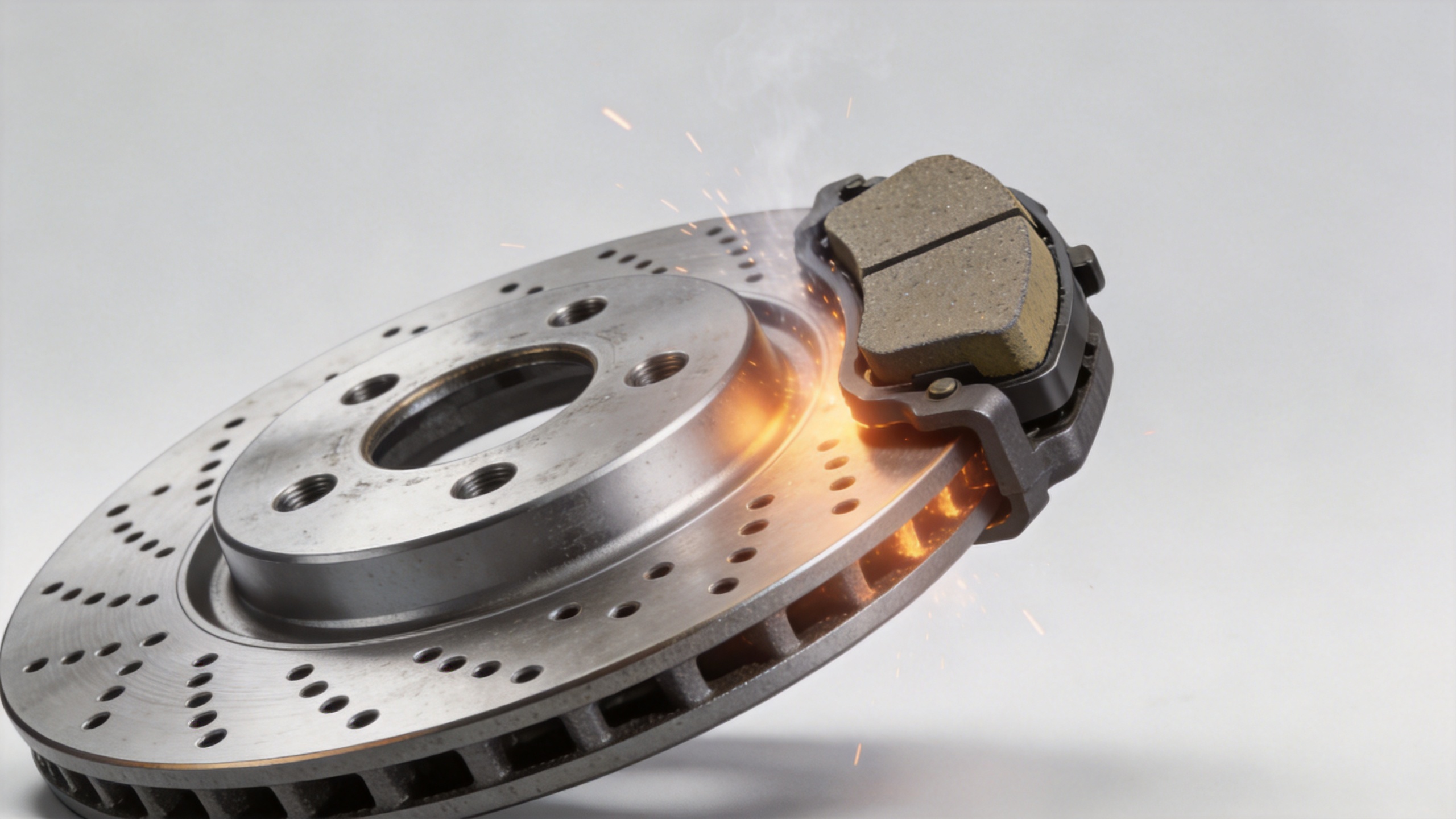
When a driver presses the pedal, the pad clamps the disc and converts vehicle speed into thermal energy. Around-town traffic creates many moderate heat events, while long descents, a loaded vehicle, stop-and-go congestion, or repeated hard stops add more energy before the previous heat has fully dissipated. The disc, pad backing plate, caliper, fluid, and surrounding airflow all influence how quickly the system sheds that energy.
Brake fade is the term used when braking response becomes less consistent as excessive heat builds up. It is a system-level concern, not a label that can be solved by choosing one material name alone. For everyday passenger vehicles, ceramic brake pads are generally intended to balance friction stability, noise control, wear behavior, and cleanliness under common operating conditions. They are not a substitute for correct vehicle fitment, sound rotors, proper installation, or driving practices suited to steep or sustained descents.
How ceramic brake pads manage heat
Ceramic brake pads use a friction formulation that may combine ceramic fibers or particles with binding materials, lubricants, and other ingredients. The exact recipe varies by manufacturer and application, so a generic material label does not reveal the complete thermal performance of a specific part number. What matters in use is how the formulation maintains a controllable friction response as the contact surfaces heat up.
In daily driving, a well-matched ceramic formulation can help the driver experience smoother engagement and less obvious noise than some alternatives. Fine ceramic material can also contribute to lower visible wheel dust in many applications. These benefits should be framed as application-dependent, however. A commuter car, a compact SUV, a delivery vehicle, and a vehicle that regularly descends mountain roads do not place the same thermal demand on a brake pad.
One practical shift in thinking helps: do not evaluate heat resistance as a single headline claim. Ask how the friction material behaves during the full cycle—initial stops, repeated stops at higher temperature, and recovery as the brakes cool. Dynamometer programs such as SAE J2522 are designed to examine friction stability, fade behavior, and recovery while speed, pressure, and temperature change. For purchasing teams, a relevant test record is more useful than an unsupported “high-temperature” description.
Where ceramic brake pads suit daily use—and where extra caution is needed
Ceramic brake pads are often a sensible option for routine passenger-car driving where low noise, low dust, and predictable normal-use braking are priorities. They can suit city commuting, mixed suburban driving, and regular highway use when the correct pad shape and formulation are selected for the vehicle.
But everyday driving can still include demanding moments. Regular towing, fleet duty with heavy payloads, repeated high-speed deceleration, track use, or extended mountain descents deserve a separate application review. In those conditions, the buyer should compare the complete brake system specification and request evidence that addresses the expected load. A pad that feels refined during light commuting may not be the right material strategy for sustained high-energy braking.
| Operating situation | What to evaluate | Why it matters |
|---|---|---|
| Urban traffic | Noise, dust, cold response, repeated moderate stops | Frequent short heat cycles define the daily experience. |
| Highway and occasional hard stops | Fade and recovery information | Thermal stability supports predictable response after higher-energy stops. |
| Hilly routes or loaded vehicles | Vehicle-specific friction and thermal test data | Heat can accumulate faster than in flat, light-duty commuting. |
| Performance or track use | Purpose-built system specification | Repeated extreme load often requires a different material and system approach. |
What buyers should verify before selecting a ceramic formulation
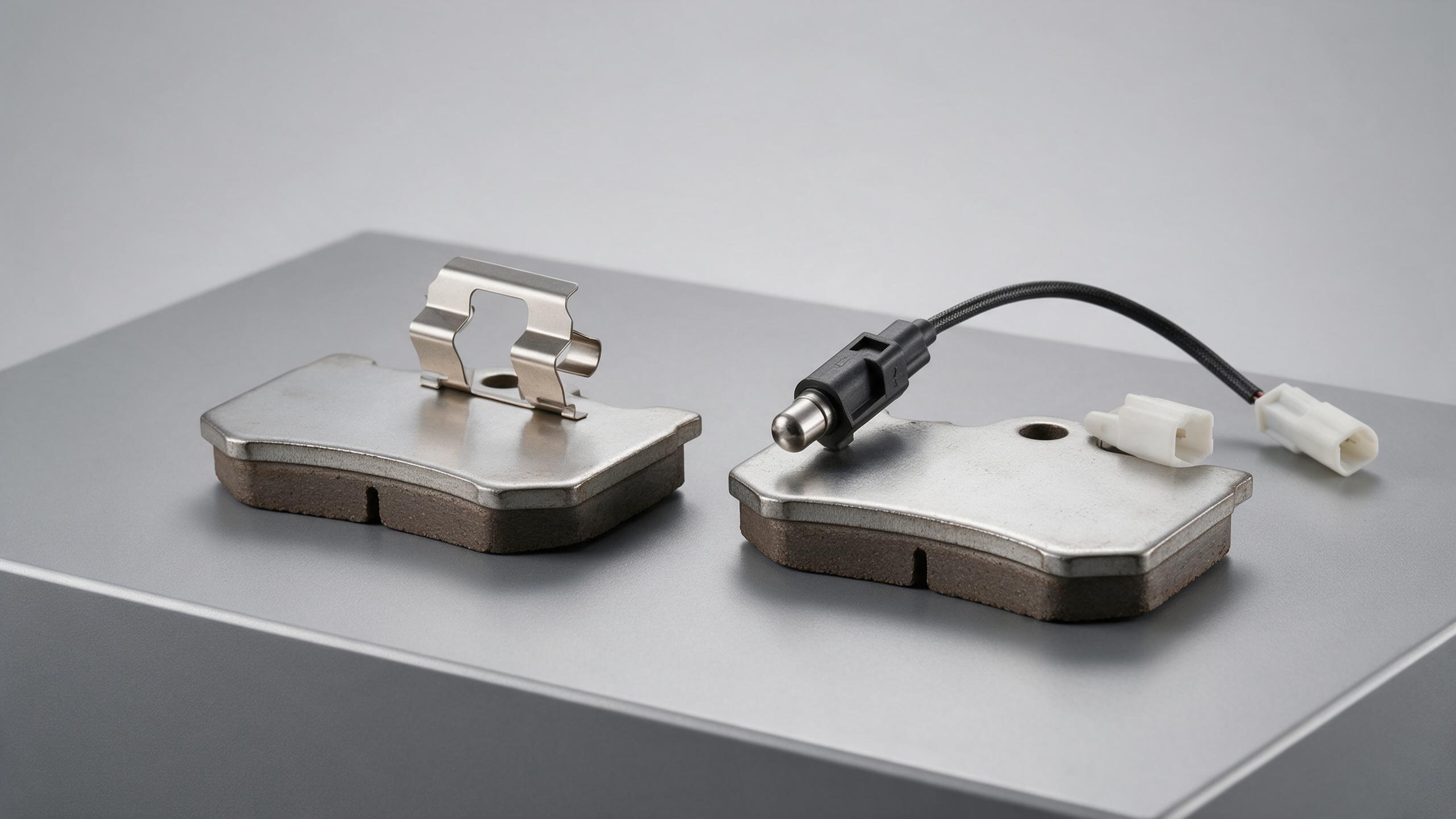
For distributors, wholesalers, and brake-pad brands, selection should begin with confirmed fitment and expected operating conditions. Then move to the evidence behind the product. A useful supplier discussion covers friction behavior across temperature, fade and recovery testing, noise-control design, wear expectations, backing-plate and shim configuration, and the target vehicle application.
- Confirm fitment first: verify the vehicle platform, pad geometry, rotor pairing, and hardware requirements.
- Ask for relevant performance documentation: request test information that explains friction stability and recovery, rather than relying on a single nominal coefficient.
- Define the duty cycle: clarify passenger-car commuting, commercial delivery, towing, mountainous operation, or other higher-load scenarios.
- Inspect the complete installation context: rotor condition, caliper movement, bedding procedure, and brake fluid condition can all affect heat-related outcomes.
- Set realistic claims: avoid promising universal superiority; explain the intended use and the verification records available for the selected reference.
For example, a buyer reviewing an OE-style replacement option can start with the confirmed product page for 0054201020 D1342 SDCX automobile ceramic disc brake pads for Mercedes-Benz, then request the application and performance materials needed for the intended market. The link identifies an available product reference; it does not by itself establish a specific test result or universal fitment claim.
Simple habits that reduce unnecessary brake heat
Material choice matters, but driving and maintenance also influence thermal stress. Leave more following distance so deceleration can be smoother. On long descents, use an appropriate lower gear where the vehicle allows it rather than holding the brakes continuously. Address vibration, pulling, grinding, or a changed pedal feel promptly, because those symptoms may indicate a condition that deserves inspection.
After replacement, follow the vehicle and pad supplier’s bedding guidance. Proper bedding helps establish a stable transfer layer between the friction material and rotor. It is also wise to recheck the installation if unusual odor, noise, or braking change appears after the initial service period.
The bottom line on heat and ceramic brake pads
Ceramic brake pads can manage the repeated heat cycles of normal daily driving well when the formulation and fitment match the vehicle’s real use. Their value often lies in a balanced experience: controlled braking feel, reduced noise potential, and lower visible dust in suitable passenger-car applications. Still, no material label replaces a disciplined selection process.
For a dependable purchasing decision, define the vehicle duty cycle, verify the part reference, request relevant thermal and friction documentation, and evaluate the complete brake system. That approach helps ceramic brake pads deliver the calm, consistent daily-driving performance buyers expect when the application is appropriate.