 EN

How Brake Pad Suppliers Support Automotive Parts Distributors
For an automotive parts distributor, buying semi metallic brake pads is not a one-time price exercise. The supplier relationship affects fitment confidence, replenishment planning, sales conversations, and the number of questions a counter team must resolve after delivery. A useful supplier helps a distributor turn a friction-material range into an offer that local workshops and fleet customers can understand.
The key is to evaluate semi metallic brake pads as a channel program: application coverage, technical information, order communication, and repeatable quality controls all matter. A low unit quote does not answer whether the catalogue is usable, whether the packaging is traceable, or whether the next order will match the approved sample.
Start With the Product Range and the Market It Needs to Serve
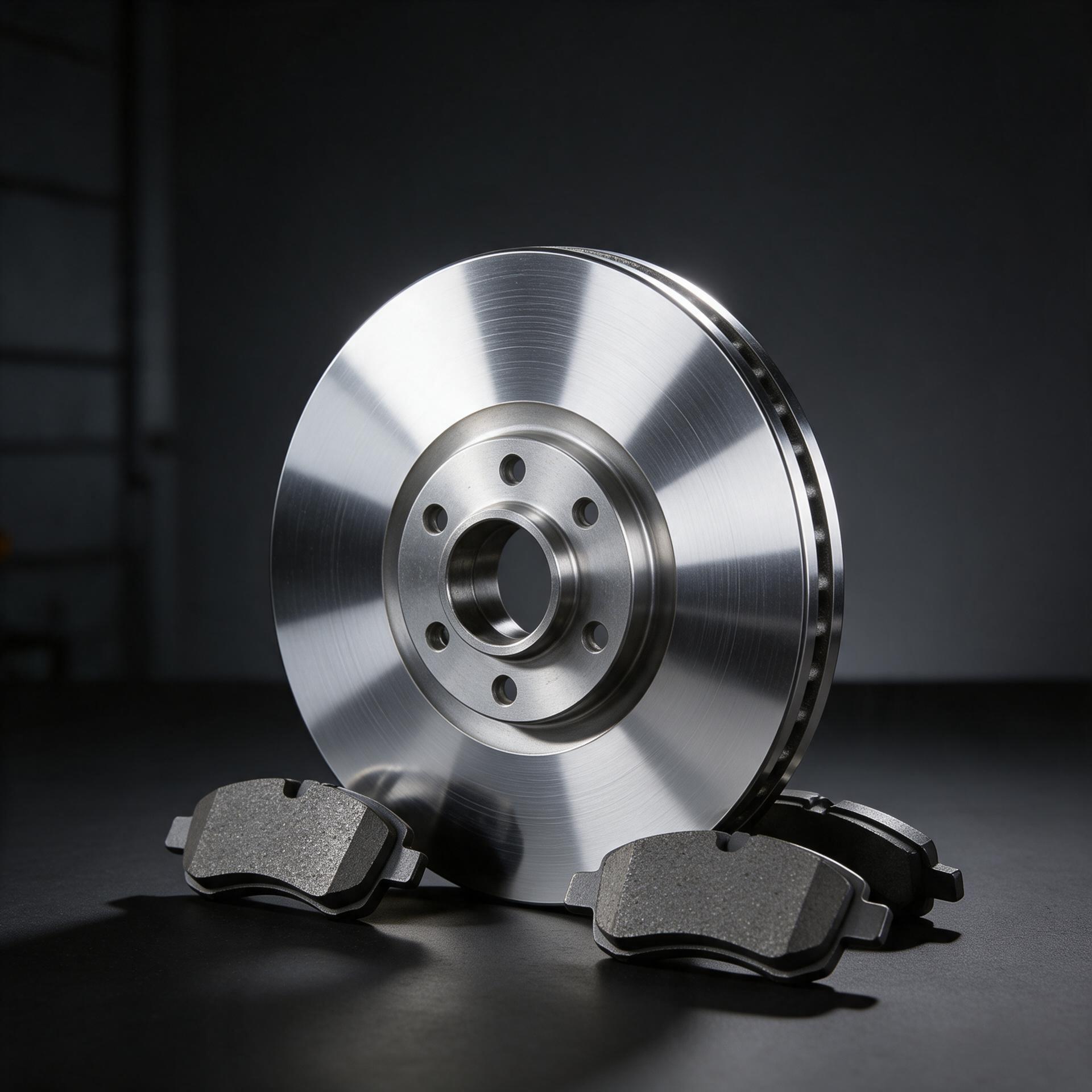
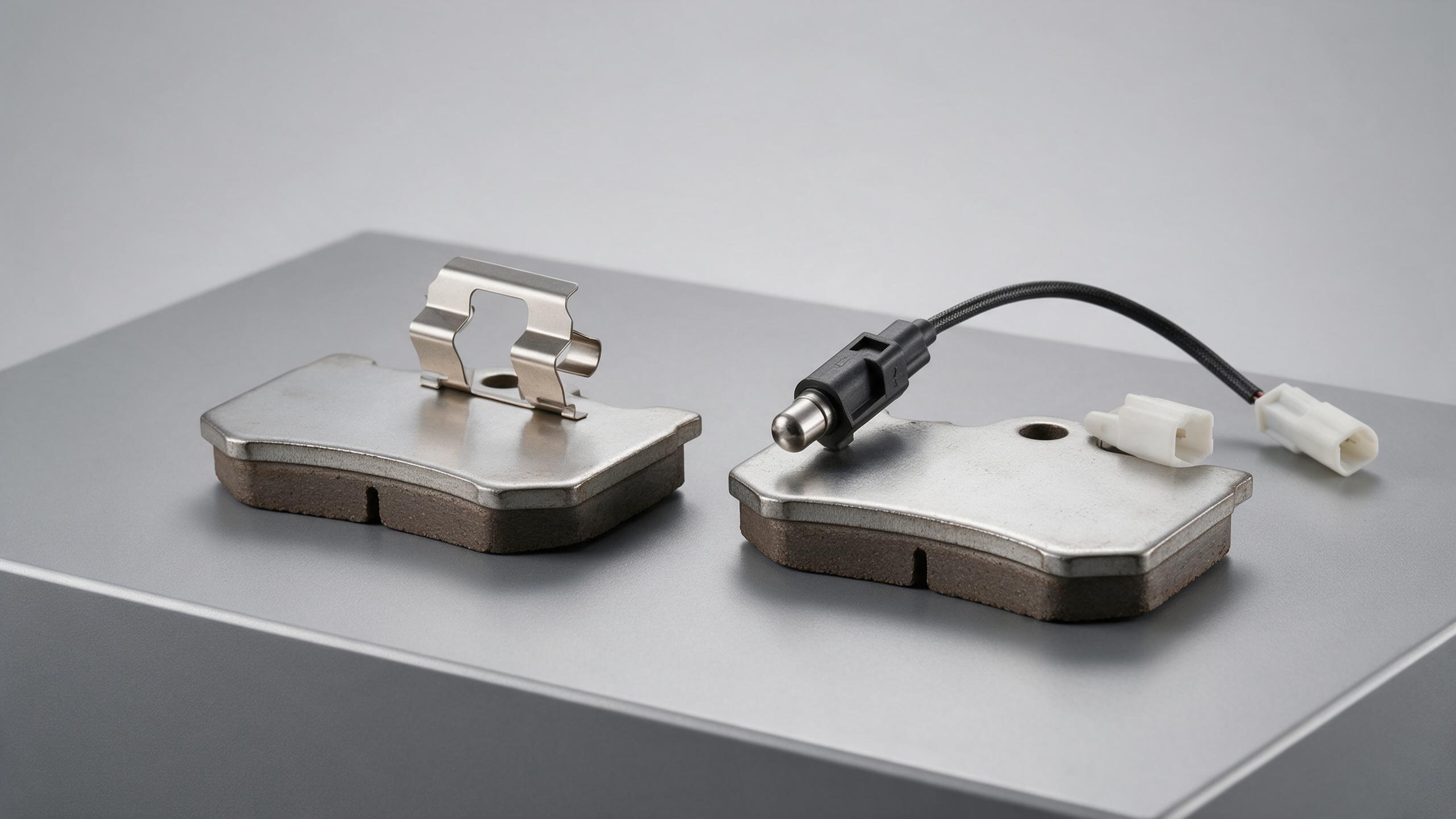
Semi metallic brake pads combine friction materials with metal content, so they are often discussed where heat management and demanding duty cycles matter. That description is only a starting point. A distributor should map intended vehicle segments, brake-system references, regional demand, and the customer profile before requesting a range.
A supplier can support this work by separating semi metallic brake pads from ceramic and other formulations in a way that is practical for a sales catalogue. Instead of a broad claim, the supplier should identify the use condition the buyer is reviewing, the relevant pad shape, and the information available for verification. This helps a distributor avoid presenting one material choice as a universal answer.
For example, a distributor building a mixed passenger-car line may need both semi metallic brake pads for selected duty requirements and premium ceramic brake pads for customers whose priorities include a different noise or dust profile. The value is not in forcing one formula into every application; it is in making the selection logic clear for each stocked reference.
Make Fitment Data a Shared Working Document
Fitment is where a supplier can save a distributor significant time. Before an opening order, ask for a reference list that connects each semi metallic brake pads item to the vehicle application information used by the supplier. The distributor should then compare it with its own catalogue conventions and local market references.
A disciplined review normally covers pad shape, axle position, hardware expectations where applicable, reference numbers, packaging quantity, and revision control. If a part number changes, the catalogue and the warehouse label need to change together. That sounds basic, yet it is often where a promising semi metallic brake pads program loses momentum after the first shipment.
Suppliers can also provide a simple exception process: which photos, dimensions, reference numbers, and vehicle details are needed when a workshop reports an uncertain match. The goal is not to make the supplier responsible for every local catalogue decision. It is to create a faster path for checking semi metallic brake pads before a mismatch becomes a return.
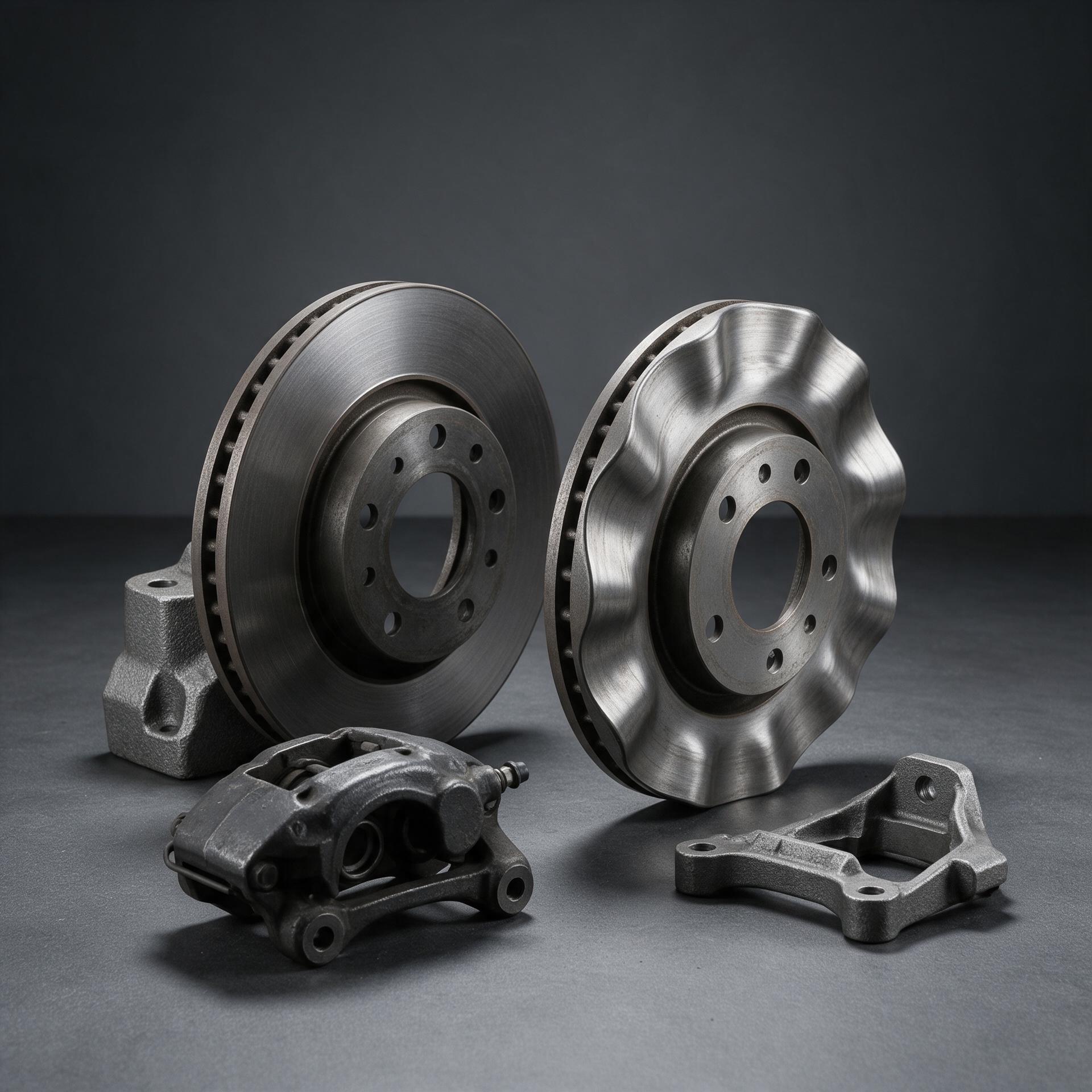
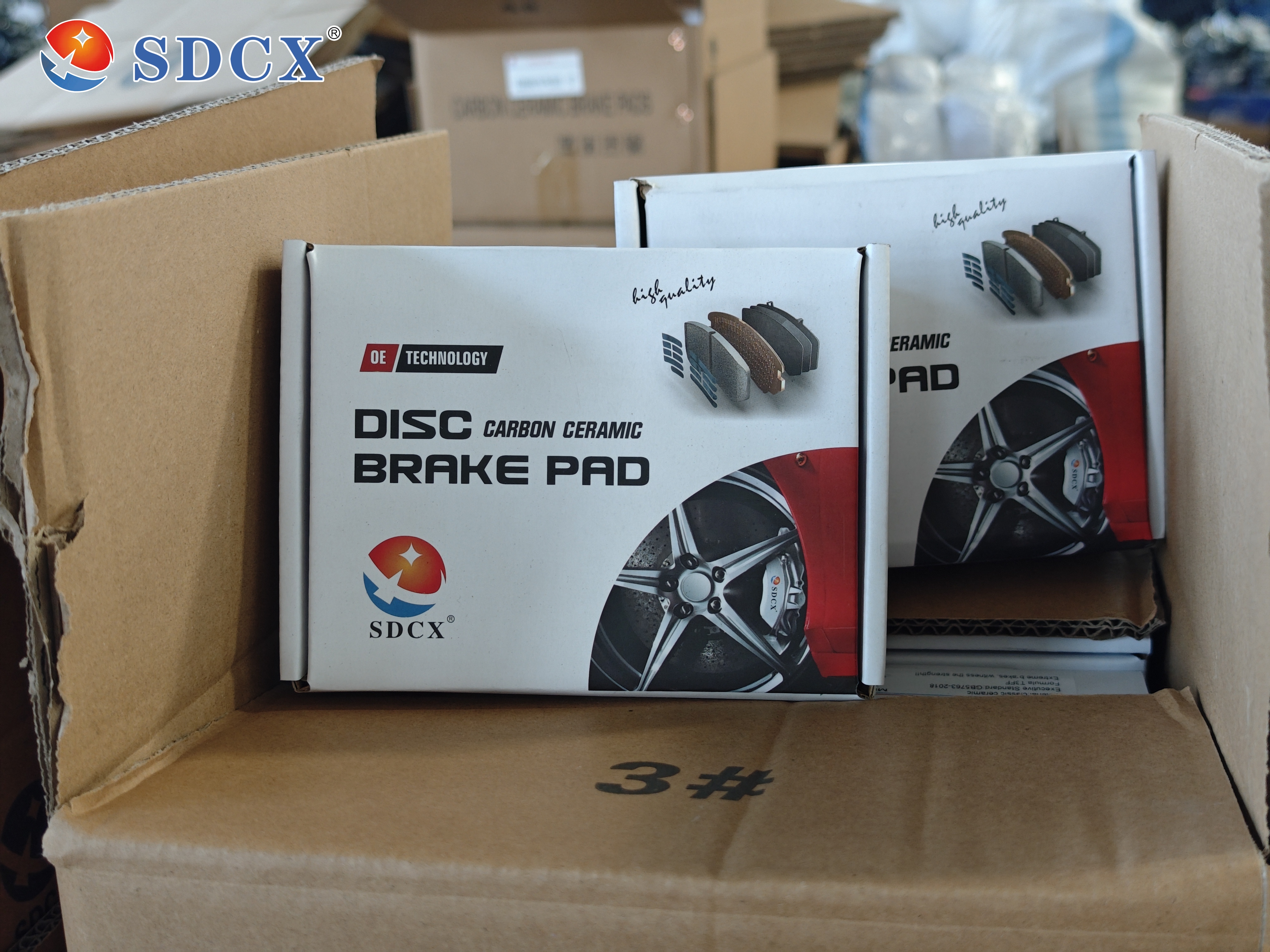 Fitment information and ordering controls support more consistent distributor decisions.
Use Technical Evidence to Support Sales and Purchasing Decisions
Distributors do not need a laboratory report for every sales call, but they do need to know what evidence exists and what it means. For semi metallic brake pads, useful supplier support can include material descriptions, batch identification, inspection records, and explanations of relevant test methods. SAE J2522, for instance, is an inertia-dynamometer screening test procedure for brake friction materials. It can be a useful discussion point when buyers ask how friction behavior is evaluated under changing operating conditions.
Market requirements must be checked by destination. Where a replacement-parts approval framework such as ECE R90 applies, distributors should confirm the precise application, documentation, labelling, and scope with the supplier before making a regional claim. A supplier that can organize documents clearly gives the distributor a more reliable basis for introducing semi metallic brake pads to regulated markets.
This evidence should be translated into plain commercial language. A sales team can say that the range has documented identification and that the buyer can request the relevant materials, rather than overpromising a performance outcome that depends on vehicle condition, installation, and use.
Align Samples, Batch Orders, and Reorder Communication
Sample approval should define what the distributor is approving: reference coverage, labelling, packing configuration, and the information package—not only the appearance of semi metallic brake pads. For a first batch, agree on order quantities, lead-time assumptions, carton marks, shipping documents, and who confirms any substitution before dispatch.
A supplier can make reorders easier by preserving a clear link between the approved item, the production batch, and the distributor’s purchase-order reference. This is especially useful when several semi metallic brake pads references are arriving in the same container. If a field question appears later, both sides can locate the right order without reconstructing the entire transaction from memory.
It also helps to set a communication rhythm. A distributor may need early notice of a material, package, or schedule change; the supplier may need demand forecasts to prepare a mixed range. Neither party needs a complicated system to begin—an agreed checklist and named contact points often create more consistency than scattered messages.
Give Distributors Product Pages They Can Use
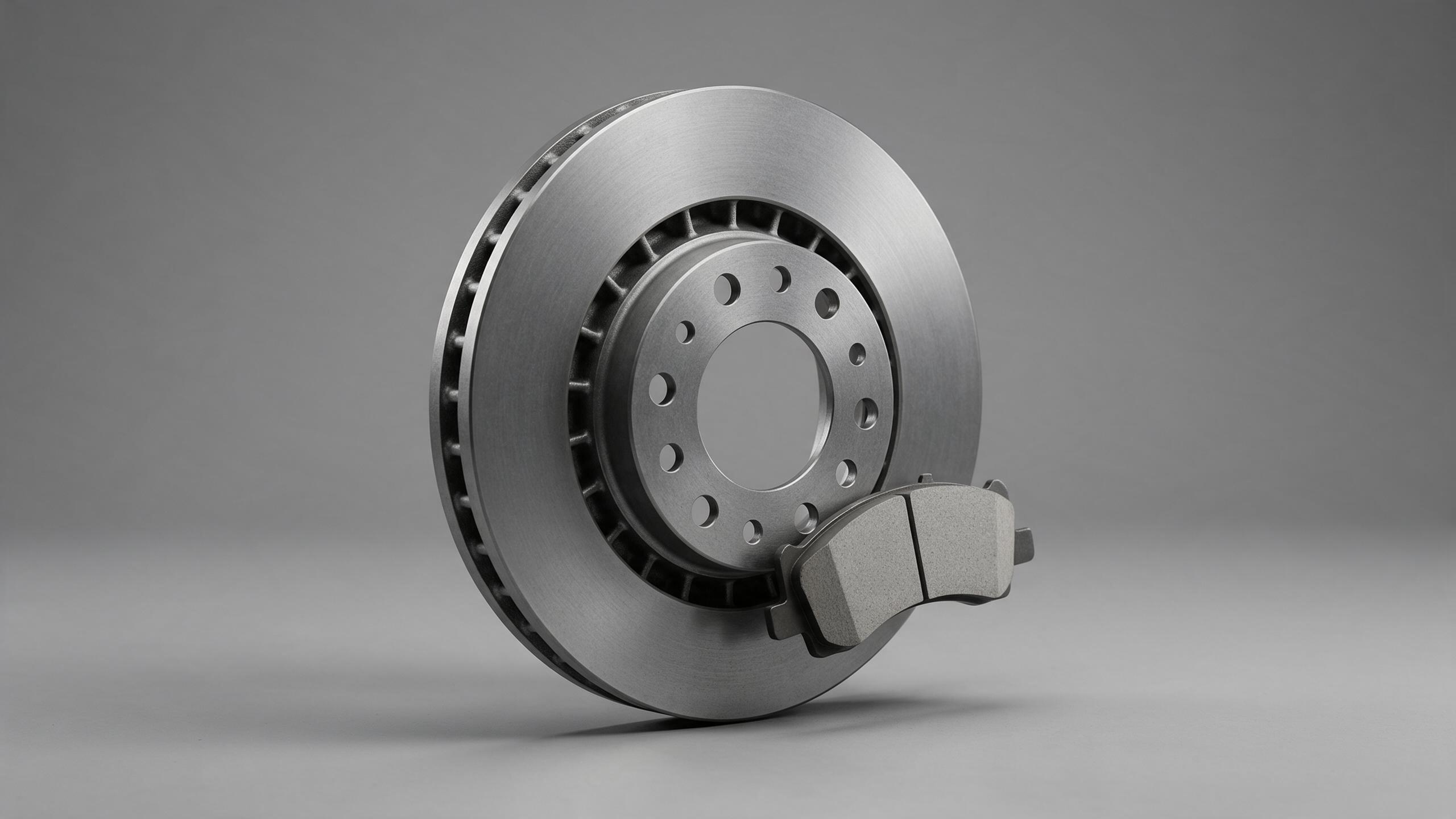
Channel support should continue after the order is placed. Product pages, clear product images, application notes, and structured answers to frequent questions help a distributor brief its own customers. For an example of a supplier product page that a distributor can review alongside its fitment process, see this ceramic brake pad product page. The page should still be reviewed against the distributor’s intended application and sales claims.
For semi metallic brake pads, sales enablement works when it explains choices rather than merely repeating adjectives. A distributor can build a simple comparison sheet: target application, available documentation, ordering reference, and the questions to confirm before sale. This gives workshops a route to the right information without claiming that one material is right for every vehicle.
A Distributor-Focused Supplier Checklist
Before committing to a larger semi metallic brake pads program, use a shared checklist:
- Does the proposed range match the vehicle segments and references the distributor actually serves?
- Can the supplier provide controlled fitment information and a process for checking exceptions?
- Are samples, labels, cartons, and batch identifiers documented before the first order?
- What test-method, approval, or inspection documents are available for the intended destination?
- How will changes, shortages, and reorder timing be communicated?
- Can the sales team access product information that is accurate enough to support customer conversations?
This checklist turns semi metallic brake pads sourcing into a repeatable purchasing process. It also gives the supplier a concrete picture of what the distributor needs in order to stock, describe, and replenish the range responsibly.
Build the Relationship Around Verifiable Support
The strongest brake-pad supplier relationship is not defined by a slogan. It is defined by whether the supplier helps the distributor make practical decisions: which references to introduce, what information to verify, how to manage a batch order, and how to answer the next fitment question. For semi metallic brake pads, that support can turn a product line into a more manageable channel offer.
Start with a small, clearly documented range, review the fitment and evidence package, then expand only when the ordering and support process is working. That approach gives both sides a clearer basis for discussing semi metallic brake pads, premium ceramic brake pads, and the distributor’s next sourcing step.