 EN

Ceramic vs Semi-Metallic vs Organic Brake Pads: Material Basics
When people compare ceramic brake pads vs organic brake pads, the question is rarely just “which one stops better?” A brake pad is a friction-material system, and its behavior depends on the compound, the vehicle, the rotor, the temperature range, and the way the vehicle is used. Semi-metallic pads add a third, widely used option. Understanding the material basics makes it easier to ask the right fitment and validation questions before choosing a pad.
For passenger-car brake-pad brands and distributors, a practical starting point is the operating condition: vehicle weight, expected braking load, climate, noise targets, wheel-dust expectations, and the validation requirements of the program. No one material family is automatically the preferred answer for every application.
Brake-pad material is a formulation, not a single ingredient
A disc brake pad combines fibers, binders, friction modifiers, fillers, and abrasives into a compound engineered to create stable friction against a rotor. The labels organic, semi-metallic, and ceramic describe the overall material family, not a universal recipe. Two pads in the same family can still feel and perform differently because their ingredients and production targets differ.
This is why a material label should be treated as a selection clue rather than a complete specification. A program may prioritize low noise, low visible dust, cold response, heat tolerance, rotor interaction, service life, cost, or a balance of several goals. The final formulation must be evaluated for the intended vehicle and brake system.
Organic brake pads: fiber-rich compounds for everyday conditions
Organic brake pads are often described as non-asbestos organic, or NAO, pads. Their friction materials generally rely on organic fibers, resins, fillers, and friction modifiers, although a formulation may include limited metallic content. Their composition can support a relatively quiet, smooth braking character in many normal passenger-car applications.
In the ceramic brake pads vs organic brake pads comparison, organic pads are commonly considered when everyday driving, comfortable NVH behavior, and price-sensitive replacement programs are important. The trade-off is that their response to sustained heat and heavy braking can vary more by formulation and application. For vehicles facing repeated high thermal loads, the material choice should be confirmed through appropriate testing rather than assumed from the label alone.
Organic pads are not “basic” in the sense of being interchangeable. The resin system, fiber blend, friction modifiers, backing plate design, shim, and slot pattern all influence the final result. Fitment and vehicle duty cycle remain essential.
Semi-metallic brake pads: metallic content for demanding heat cycles
Semi-metallic pads blend metallic fibers or particles with binders and other friction ingredients. A commonly cited typical range is about 30% to 70% metal, but the actual percentage and the specific metals differ by formulation. That variation matters: metallic content can affect thermal conductivity, friction stability, wear behavior, and noise characteristics.
When evaluating semi metallic vs organic brake pads, semi-metallic material is often considered for applications that may see more frequent braking, heavier vehicles, or higher thermal demand. The same property that helps a compound manage heat can also require careful system tuning for noise, dust, rotor wear, and pedal feel. It is not enough to select a pad because it is “metallic”; the compound must be matched to the rotor and the vehicle’s braking conditions.
For a distributor or brake-pad brand, this leads to a useful change in approach: first confirm vehicle use, braking load, OE or aftermarket positioning, and validation method; then judge whether a semi-metallic formulation is an appropriate direction. That sequence is more reliable than choosing solely by a material name.
Ceramic brake pads: engineered for balanced everyday refinement
Ceramic brake pads use ceramic fibers or particles together with binders and other friction ingredients. In many passenger-car replacement applications, they are associated with controlled noise behavior and lower visible wheel dust than some alternative formulations. However, “ceramic” does not mean a pad is made only from ceramic, and it does not guarantee identical performance across every vehicle.
The central ceramic brake pads vs organic brake pads decision often comes down to the priorities of the program. A ceramic formulation may suit buyers who value clean-wheel appearance and refined daily-use characteristics, while an organic formulation may be appropriate where a different cost, feel, or application balance is required. Cold performance, temperature behavior, and compatibility with the complete braking system still need to be checked at the vehicle level.
For an example of a product category available for fitment review, see the CX-D1210 premium ceramic brake pad for TOYOTA. The link identifies a product option; the exact fitment and performance requirements should be confirmed before selection.
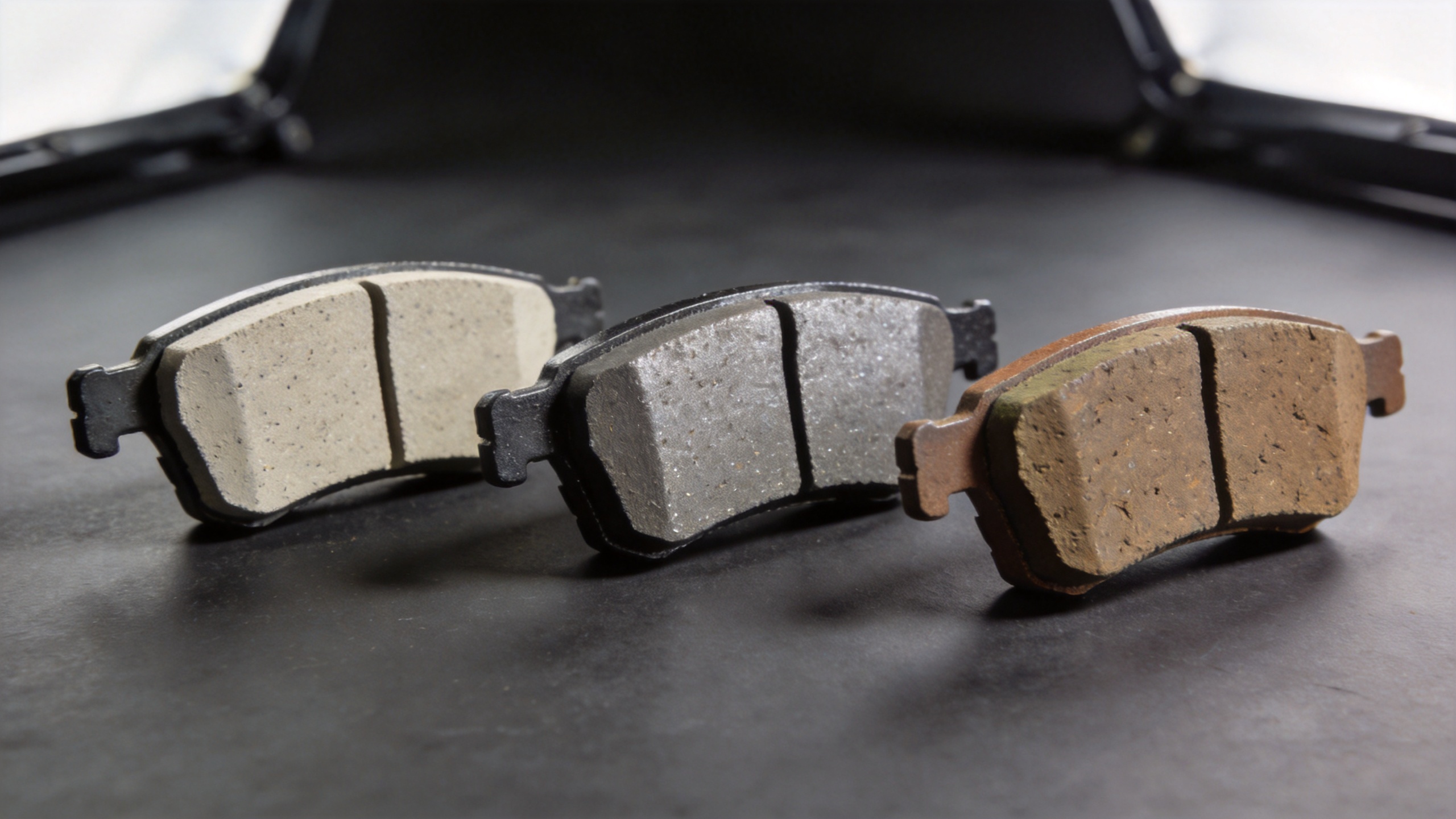
A practical comparison: where each material family can fit
| Material family | Typical formulation focus | Common selection considerations |
|---|---|---|
| Organic / NAO | Fiber- and resin-based friction compound | Everyday passenger-car use, comfort targets, application-specific heat tolerance |
| Semi-metallic | Metallic fibers or particles combined with friction ingredients | Thermal demand, braking load, rotor interaction, NVH and dust balance |
| Ceramic | Ceramic components combined with binders and friction modifiers | Refined daily-use behavior, visible dust expectations, fitment-specific validation |
The table is a starting point, not a substitute for validation. For example, test procedures such as SAE J2522, often called AK Master, are used on dynamometers to compare friction-material behavior over defined braking scenarios. A supplier’s test plan, applicable market requirements, and vehicle-level targets determine what evidence is needed for a particular brake-pad program.
How to choose between ceramic, semi-metallic, and organic pads
- Start with the vehicle and duty cycle. Confirm passenger-car fitment, curb weight, driving environment, braking frequency, and expected thermal load.
- Set the priority order. Decide how the program weighs noise, dust, friction consistency, wear, rotor interaction, cost, and service expectations.
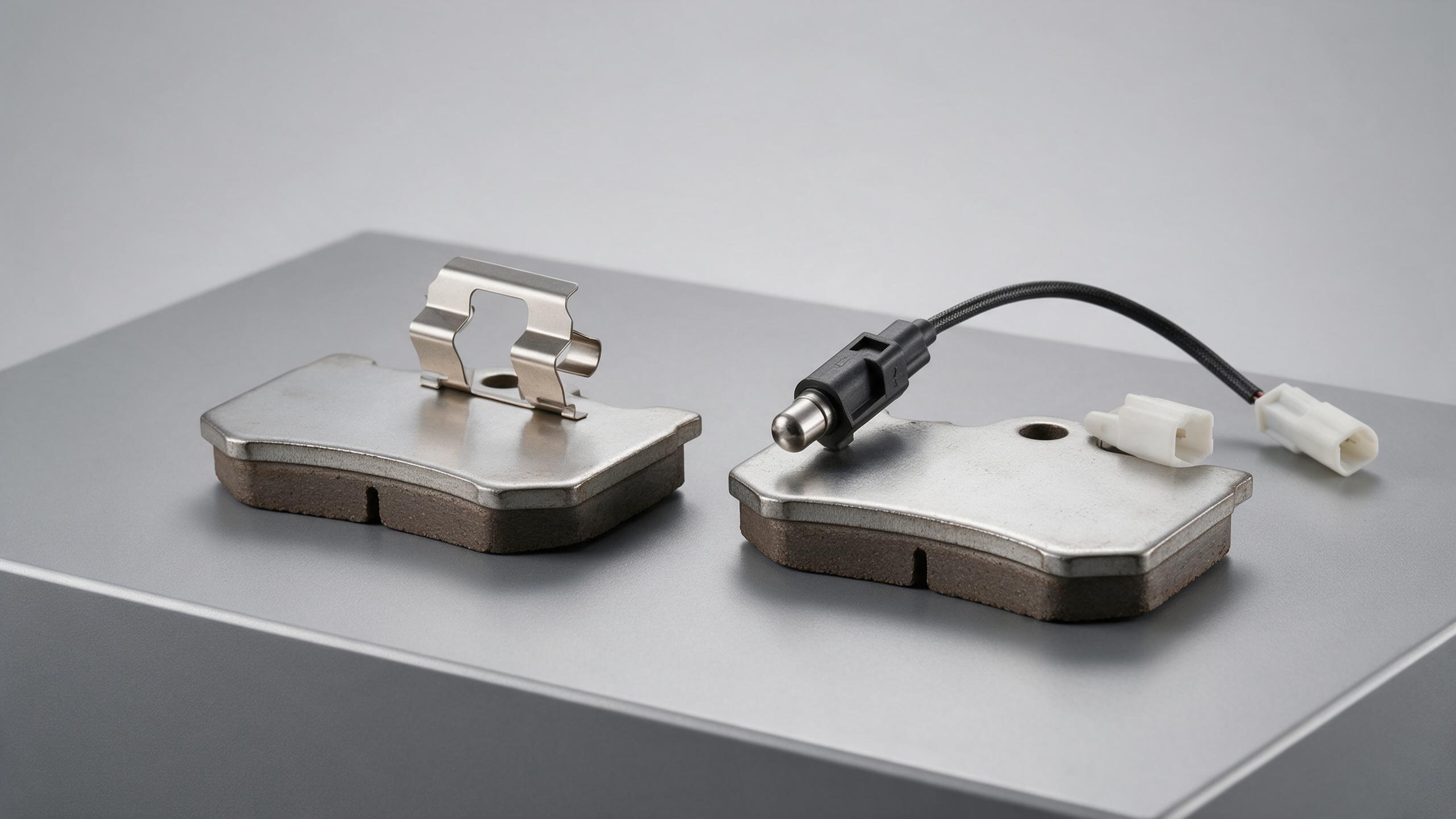
- Review the full pad design. Material family is only one part of the answer; shims, slots, chamfers, backing plates, and hardware can all affect results.
- Request relevant validation evidence. Ask what test conditions were used and whether they represent the intended vehicle application. Avoid translating one material family’s general reputation into an unverified product claim.
- Confirm fitment before purchase or distribution. A catalog match and application review should come before making a material substitution.
If the program covers multiple vehicle platforms, it can be useful to compare more than one friction-material direction during development. For example, the SDCX 04465-0K240 D1567 front brake pad option can be reviewed as a product listing alongside the applicable fitment and technical requirements.
The bottom line on brake-pad materials
The most useful way to view ceramic brake pads vs organic brake pads is as a materials-and-conditions decision, with semi-metallic formulations adding another important option. Organic compounds can support many everyday applications; semi-metallic compounds can be relevant when thermal and braking-load considerations rise; ceramic compounds are often considered where refined daily-use characteristics and lower visible dust matter. Each conclusion depends on the formulation and the vehicle system.
For brake-pad brands, wholesalers, and distributors, the safer purchasing path is to define the application first, compare the required performance evidence, and then select a material family and product configuration that fits the program. That approach keeps material basics useful without treating any one label as a universal promise.