 EN

Brake Pads and Rotors: When a Complete Brake Job Makes Sense
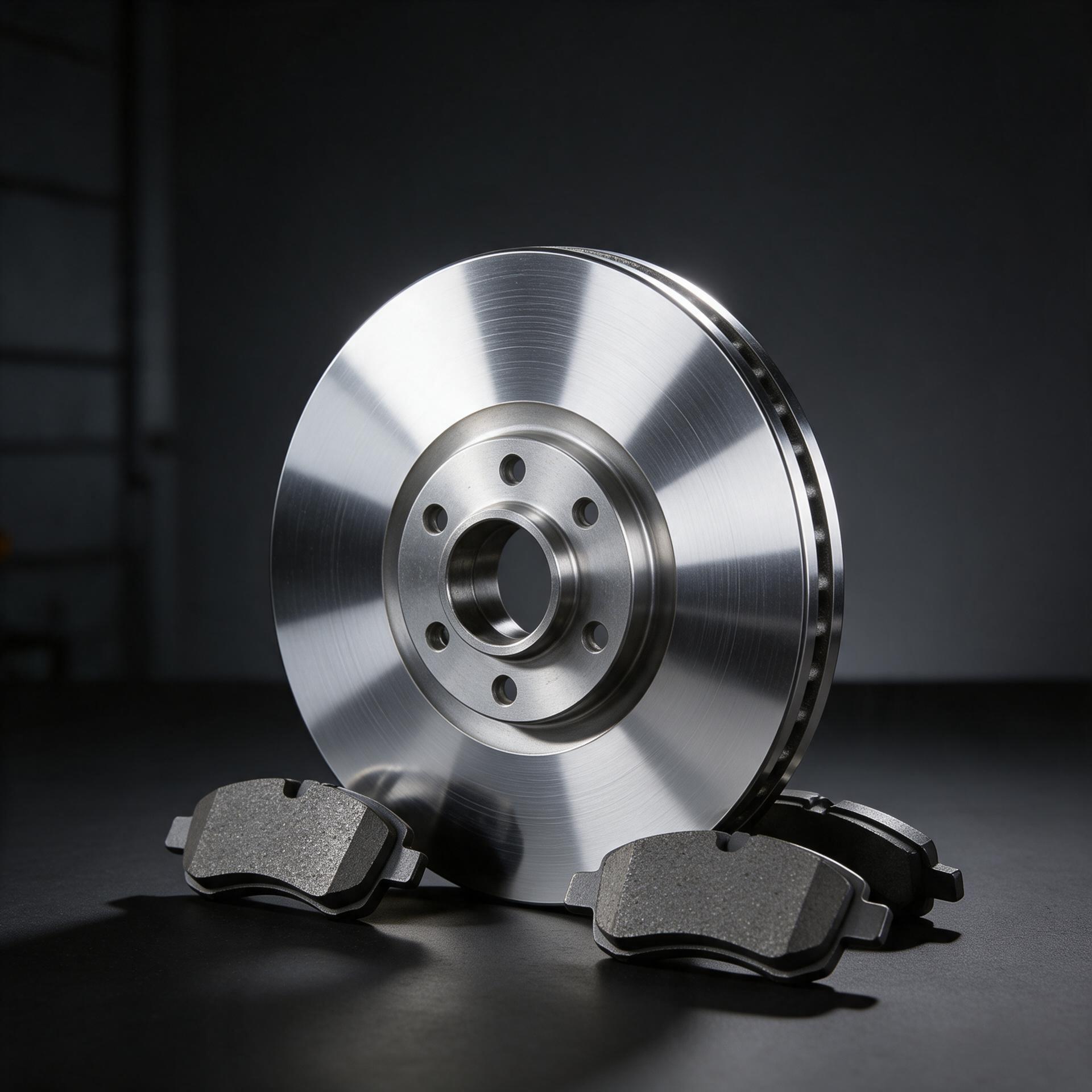
For vehicle owners, fleet managers, and aftermarket buyers, brake pads and rotors replacement is not an automatic package decision. Pads are designed to wear; rotors must be inspected for thickness, surface condition, runout-related symptoms, and the cause of the existing wear. A complete service makes sense when the rotor can no longer provide a stable, compatible surface for the next set of pads—not simply because the pads are due.
This distinction matters for anyone planning brake inventory or explaining service scope. A well-matched brake pad and rotor combination can support predictable bedding-in and consistent braking feel, while an unnecessary replacement can add cost without solving the underlying issue. The practical goal is to make the inspection decision before parts are installed.
Start With an Inspection, Not a Mileage Rule
There is no universal mileage at which every vehicle needs brake pads and rotors replacement. Vehicle weight, driving pattern, corrosion exposure, pad material, towing, and heat cycles all affect wear. A useful inspection begins with the pad lining, then moves to the rotor surface and dimensions.
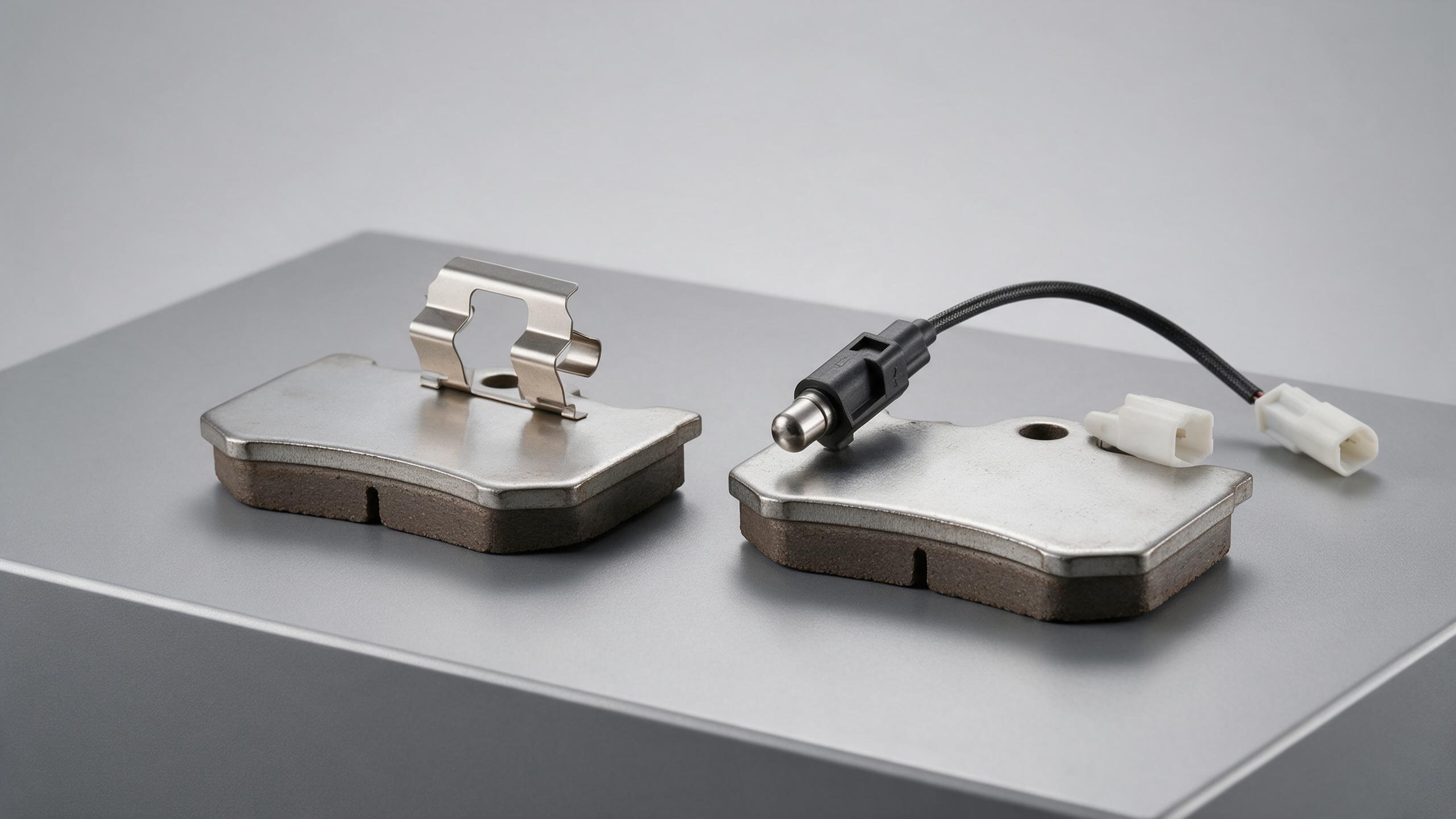
- Pad lining: Check the remaining friction material and compare inner and outer pads. A large difference can point to caliper-slide, piston, or hardware issues.
- Rotor surface: Look for deep grooves, heat checking, cracks, rust pitting in the swept area, or uneven contact patterns.
- Rotor thickness: Measure in the braking surface at several points and compare the result with the vehicle-specific minimum thickness marking or service specification.
- Symptoms: Pedal pulsation, steering-wheel vibration under braking, abnormal noise, or pulling should trigger diagnosis rather than a parts-only assumption.
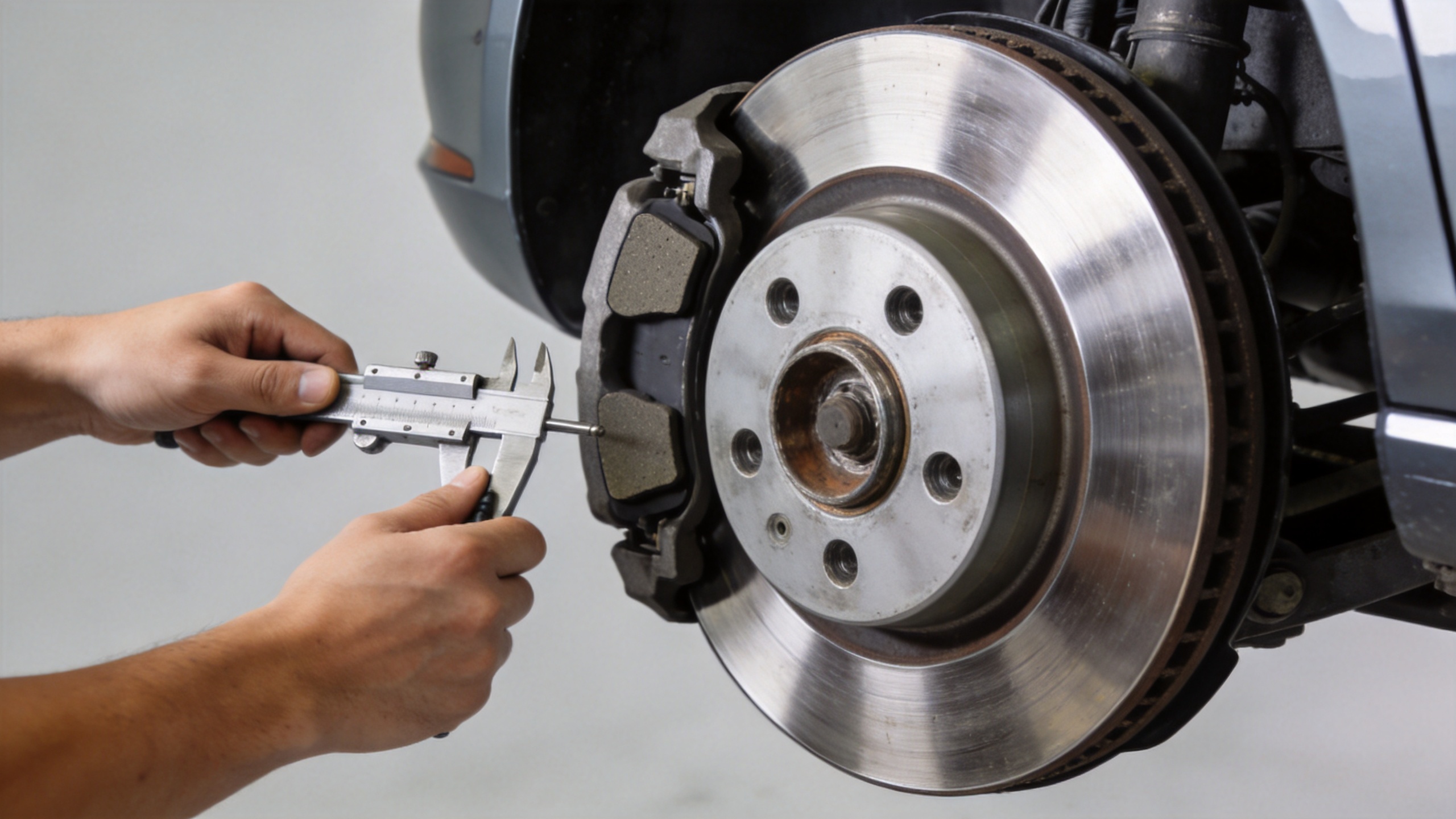
The rotor’s minimum thickness is vehicle-specific. Published inspection guidance commonly directs technicians to the marking on the rotor or manufacturer service information, so a generic number should not be used as a release criterion. Surface condition matters too: an otherwise thick rotor with severe scoring or corrosion may not provide an appropriate mating surface for new pads.
When Pads Only May Be a Reasonable Service
A pad-only job can be appropriate when the rotors are within specification, the swept faces are smooth and uniform, and there are no symptoms suggesting distortion, uneven deposits, or mechanical faults. In that case, the decision still depends on following the vehicle maker’s service procedure and using compatible parts.
For a brake pad and rotor inspection, “smooth” does not mean visually flawless. It means the friction surface is stable enough to support even pad transfer and predictable contact. Light, serviceable wear may be acceptable where specifications permit it. The key is that the next pad set should not inherit a surface problem that shortens life or produces a complaint soon after installation.
Signs That a Complete Brake Job Is the Better Choice
Replacing pads and rotors together is often the practical route when the rotor cannot be safely reused or when its condition is likely to compromise the new pads. The following conditions deserve particular attention:
| Inspection finding | Why it changes the decision |
|---|---|
| Rotor is at or near the minimum thickness specification | Further machining or future wear may take it below the allowable limit; replacement avoids fitting pads to a marginal component. |
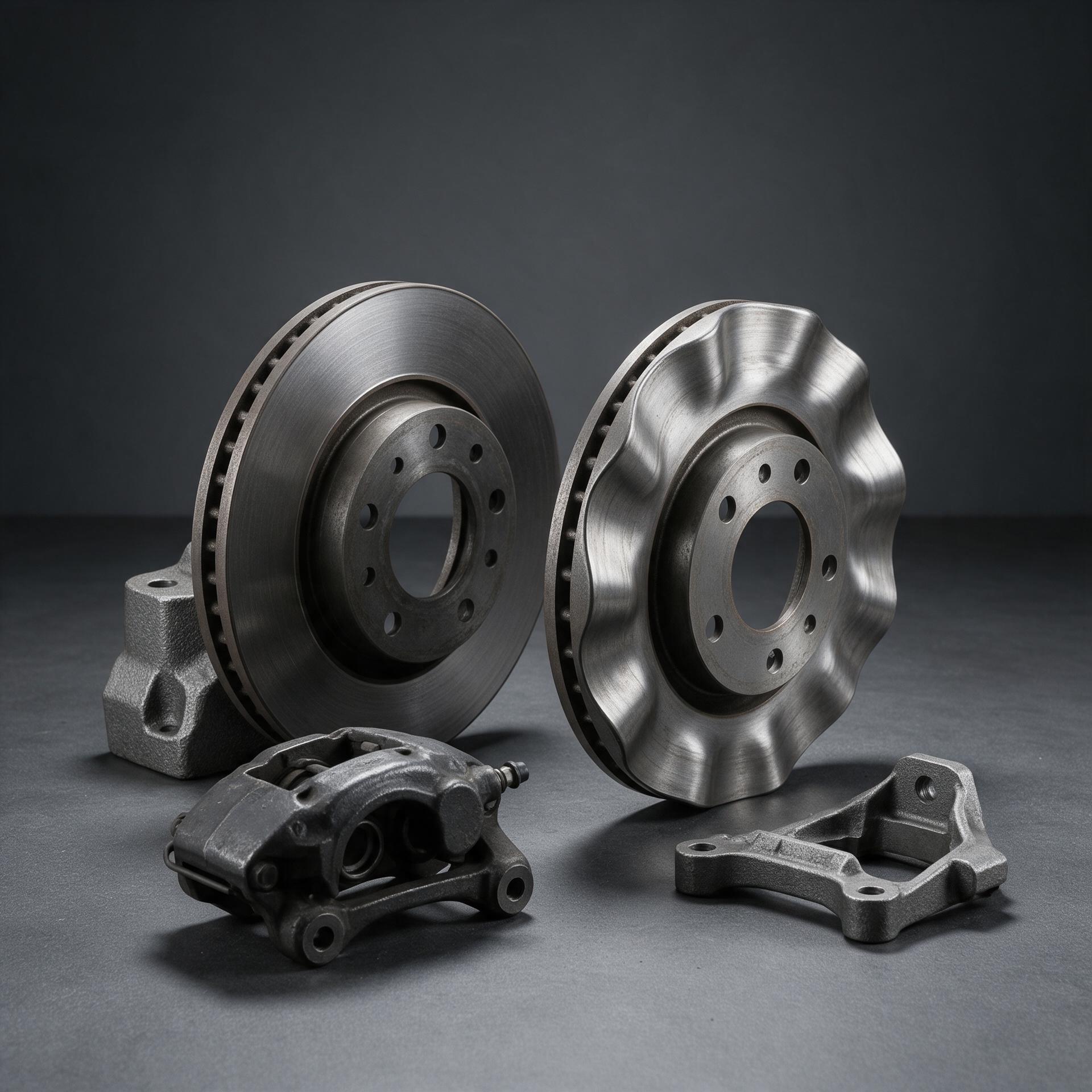
| Deep grooves, cracks, heat damage, or heavy swept-area corrosion | The new pad may not bed evenly, and the surface defect can contribute to noise, vibration, or uneven wear. |
| Pedal pulsation or measured thickness variation | Diagnosis is needed, but a rotor that cannot meet the relevant specifications after correction should be replaced. |
| Uneven pad wear or one-sided wear | Correct the caliper, hardware, or guide-pin cause first; then replace components whose condition cannot support a reliable repair. |
| Unknown prior machining or poor service history | Measuring actual thickness and condition is safer than assuming there is enough material remaining for another pad cycle. |
This is why brake pads and rotors replacement should be presented as an inspection-led maintenance decision. Replacing rotors without diagnosing a sticking caliper or corroded slide pin can leave the same wear pattern ready to damage the new parts.
Why Matched Components Help the Service Outcome
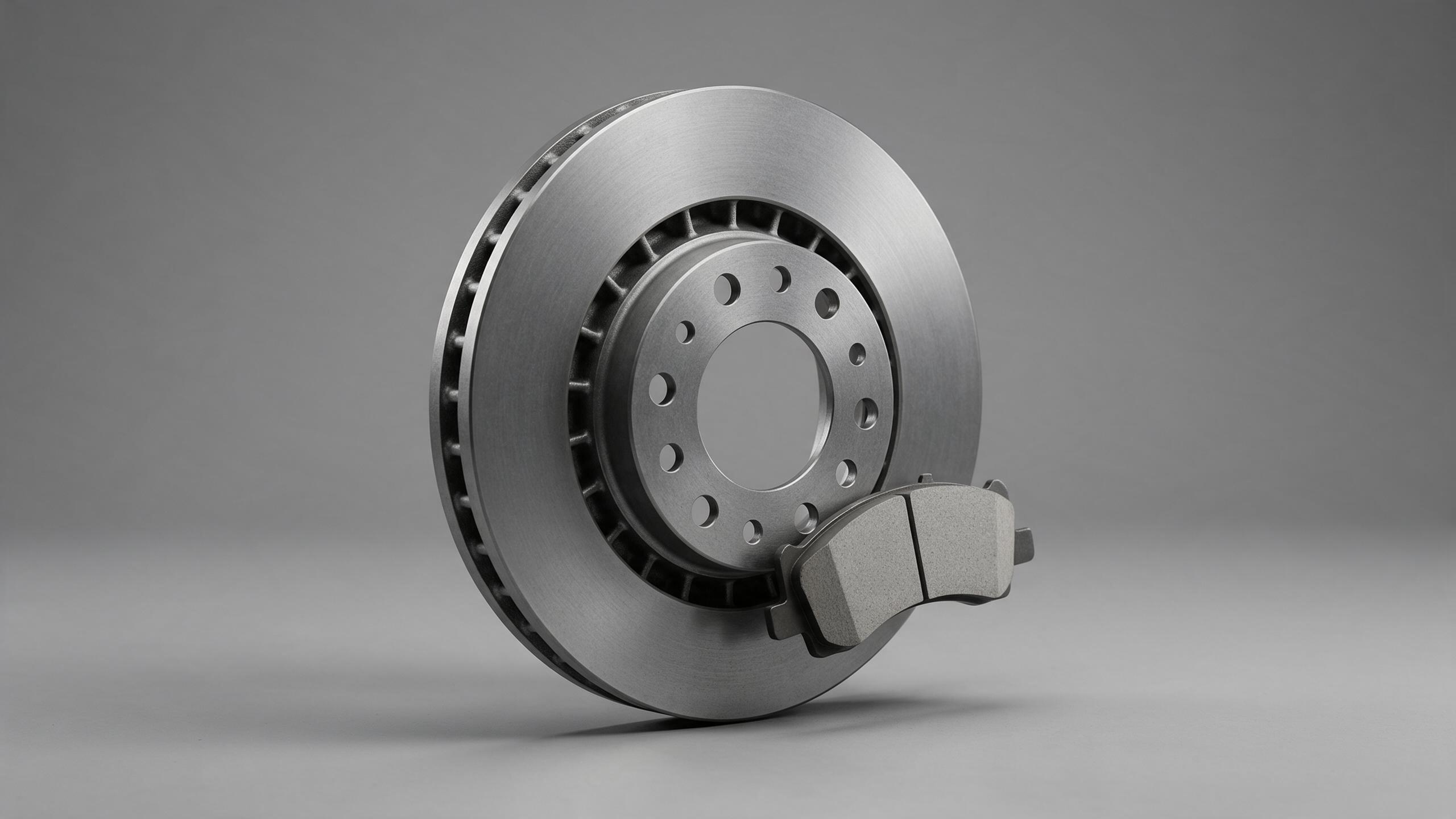
A rotor provides the surface against which the friction material works, while the pad controls the friction behavior, noise characteristics, and wear pattern. Selecting them as a compatible brake pad and rotor set can simplify fitment planning and reduce uncertainty around bedding-in behavior. It does not replace correct installation: hub cleanliness, torque procedure, hardware inspection, and bedding guidance still matter.
For buyers sourcing passenger-car friction components, SDCX Auto Parts provides a company reference point, and one available product reference is this Toyota RAV4 disc ceramic brake pad. Fitment and application requirements should be confirmed against the intended vehicle and brake system before ordering.
A Practical Decision Sequence for Service Teams and Buyers
- Confirm the vehicle application and inspect both sides of the axle.
- Measure pad material and rotor thickness; check the relevant vehicle specification.
- Inspect the rotor’s swept surface, hat area, cooling passages, and hub contact area for corrosion or damage.
- Investigate uneven wear, heat marks, noise, pull, or pulsation before selecting replacement parts.
- Choose pads only when the rotor is demonstrably serviceable; choose brake pads and rotors replacement when the rotor is below spec, damaged, or unsuitable for the new pad set.
- Install with clean mating faces, correct hardware, and the manufacturer’s torque and bedding procedures.
The Bottom Line
A complete brake job makes sense when inspection shows that the existing rotor cannot support a safe, durable next service interval. That may be due to thickness, surface damage, corrosion, variation, or the consequences of an unresolved mechanical issue. When rotors remain in specification and provide a suitable friction surface, pads alone may be appropriate. In either case, the dependable approach is measured inspection, cause correction, and a compatible brake pad and rotor selection—not a one-size-fits-all replacement rule.