 EN

Brake Rotor Runout: A Guide to Understanding Disc Vibration
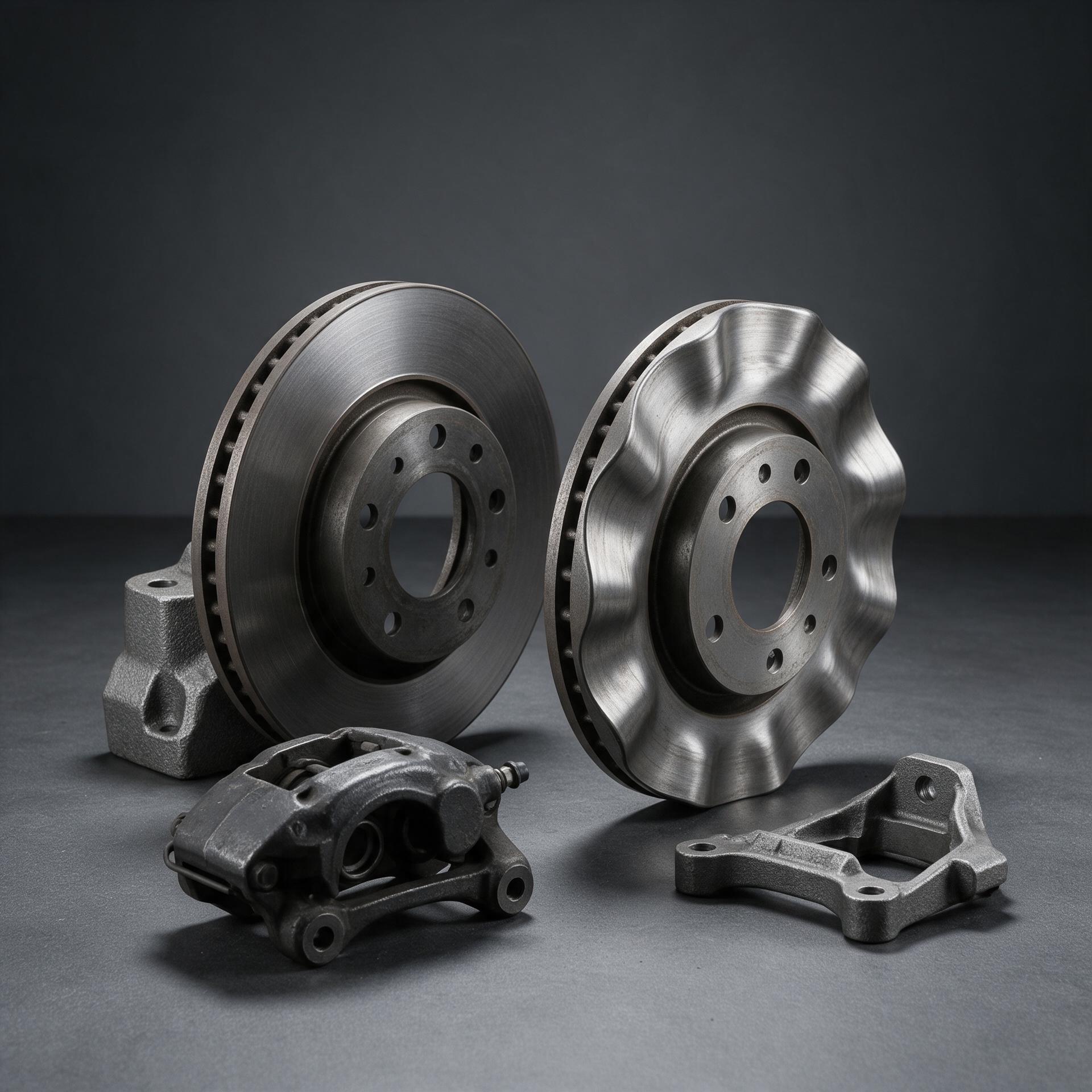
Brake vibration is often described as a “warped rotor,” but that shortcut can obscure the real diagnostic work. Brake rotor runout is the side-to-side movement of a brake disc as it rotates on the hub. A small reading can be normal; the relevant limit is the vehicle manufacturer’s specification. When the reading exceeds that limit, it can contribute to pulsation, uneven pad contact, or repeat service concerns.
For distributors, wholesalers, and service-facing buyers, the useful question is not simply whether a disc is “warped.” It is whether the disc, hub contact surface, mounting procedure, and vehicle application have been checked as one system. That distinction makes parts conversations more reliable and helps reduce the chance that a replacement component is blamed for an installation-related issue.
What brake rotor runout means
Brake rotor runout, also called lateral runout, describes wobble across the disc faces while the rotor spins. A technician normally checks it with a dial indicator positioned against a clean disc surface, then compares the total indicated runout with the applicable service information. The measurement is tiny, which is exactly why a visual inspection alone is not enough.
Runout is related to, but not identical to, disc thickness variation. A disc can have a runout issue because of the hub, debris, or mounting conditions; over time, uneven pad contact may help create thickness variation. Thickness variation is one reason drivers may feel pedal pulsation. In practical diagnosis, the two measurements belong in the same inspection rather than competing explanations.
Symptoms that point to a brake-disc inspection
A steering-wheel shake, a brake-pedal pulse, or vibration that appears mainly under braking can justify a closer check. These symptoms do not prove that brake rotor runout is the cause. Wheel balance, suspension condition, caliper movement, pad deposits, bearing condition, and brake hardware can also affect how a complaint feels.
That is why a purchasing or warranty conversation should capture the vehicle application, axle position, mileage, braking conditions, service history, and the actual measurement results. “Brake disc warping” is useful as a search phrase, but it is not a complete diagnosis. A measured runout value, thickness readings, and the manufacturer’s limit provide a clearer basis for next steps.
Common sources of apparent or excessive runout
Several conditions can change the reading at the disc face. Corrosion, scale, or trapped debris between the hub and rotor can keep the disc from seating fully. Uneven or excessive wheel-lug torque may distort the clamping condition. A hub face with runout can transfer that condition to a newly installed disc. Wear in bearings or mounting components can also complicate the result.
Heat exposure and use beyond the disc’s specified service condition may be relevant, but they should not be assumed first. A disciplined inspection starts with clean contact surfaces and a correct measurement setup. Then the technician can determine whether the source follows the disc, remains with the hub, or requires a broader brake-system evaluation.
How to measure brake rotor runout correctly
- Confirm the vehicle-specific specification. Do not use a universal pass/fail number; limits vary by vehicle and disc design.
- Prepare the contact surfaces. Remove loose corrosion and contamination from the hub and rotor contact surfaces before taking a final reading.
- Secure the rotor as the wheel would secure it. Use the correct hardware and even tightening practice so the test represents the installed condition.
- Use a stable dial-indicator mount. Place the contact point on a suitable smooth area of the disc face and rotate the assembly slowly.
- Record more than one value. Note lateral runout, disc thickness, thickness variation where applicable, and any relevant hub reading.
The point is not to turn every buyer into a technician. It is to create a repeatable information set. When a distributor receives a service question, those records make it easier to distinguish fitment verification from a general vibration complaint.
 A dial indicator helps document lateral runout during a brake-disc inspection.
Part selection and fitment checks for buyers
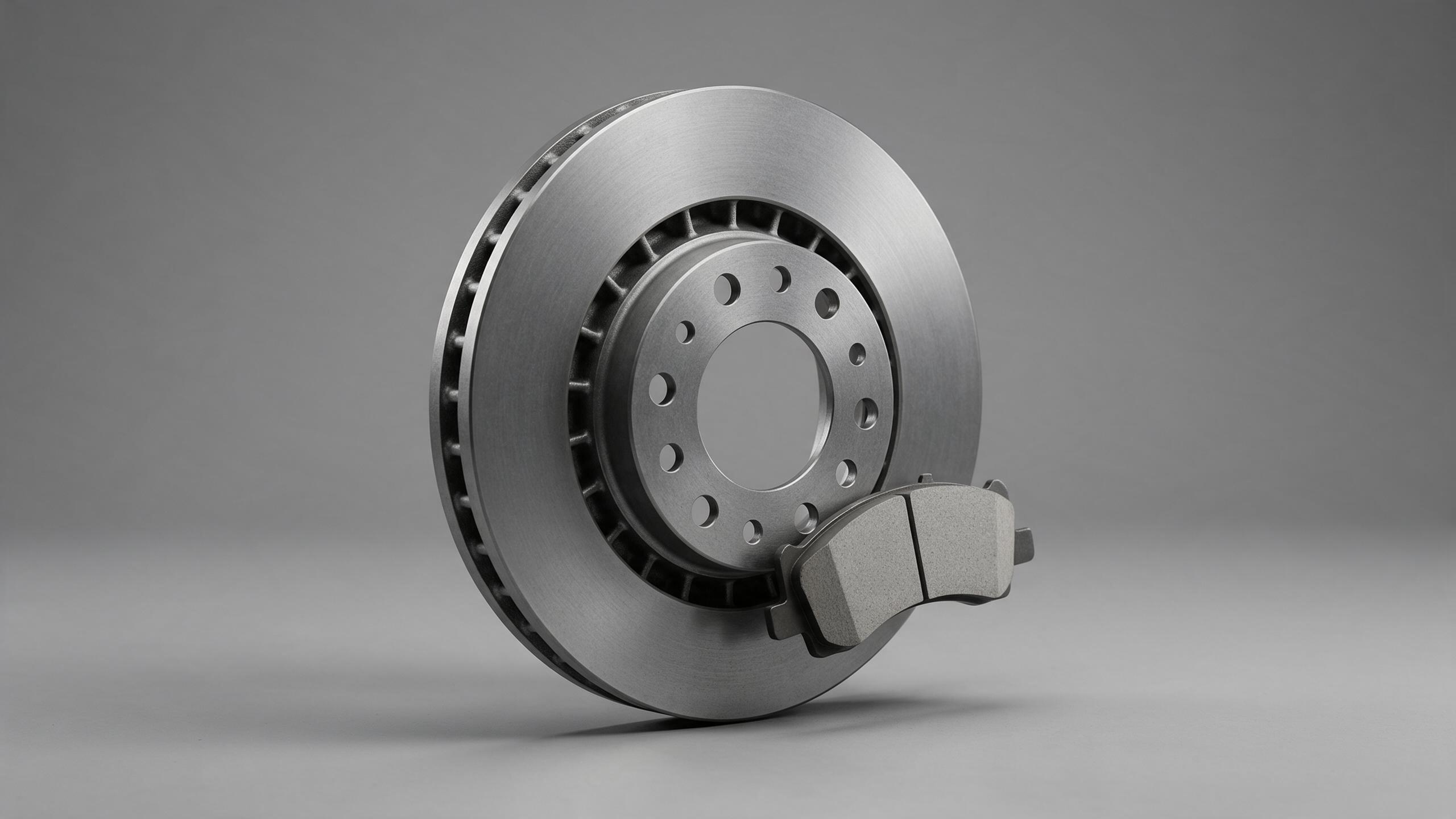
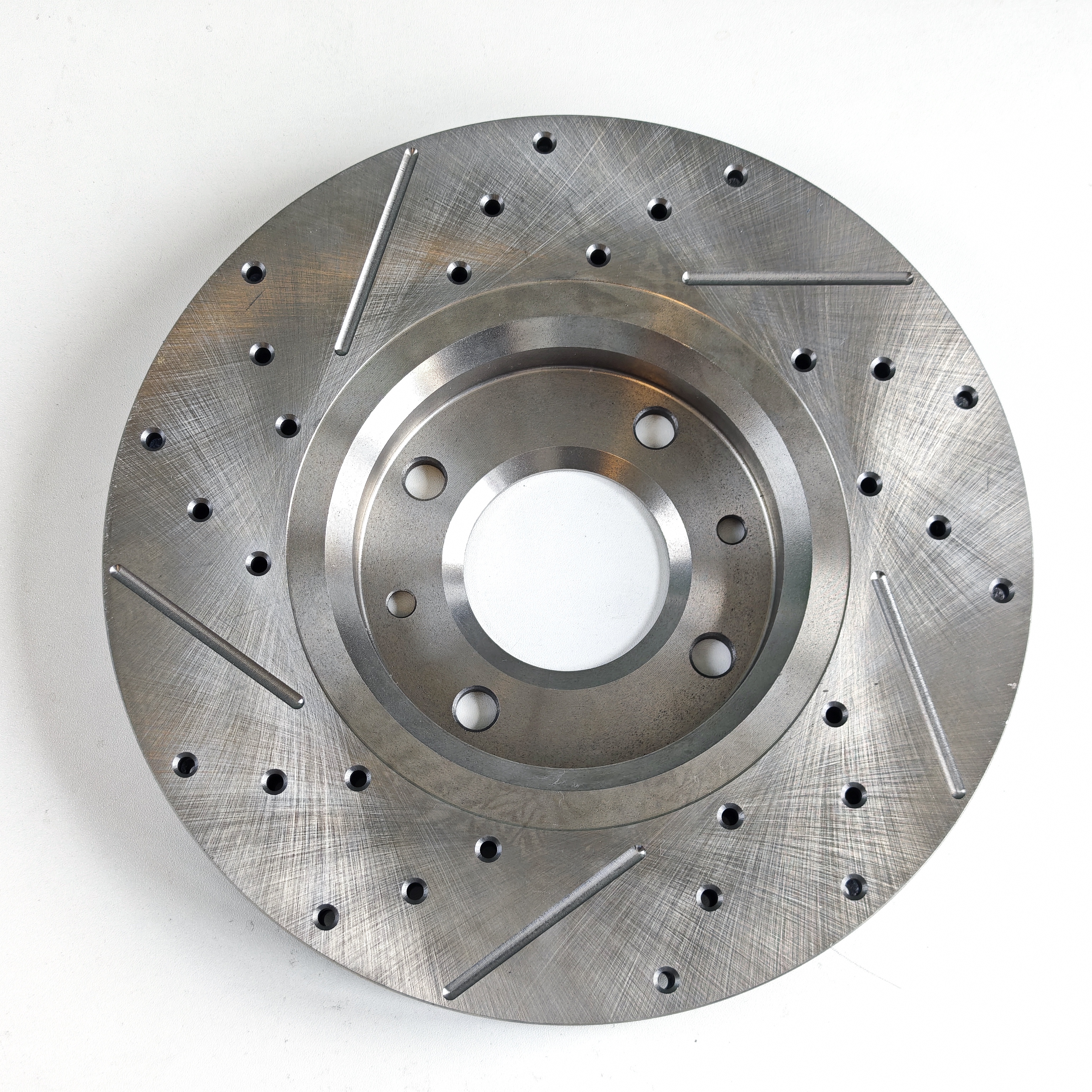
Before ordering a replacement disc, verify the vehicle identification and catalog application, the front or rear position, overall diameter, thickness, height, center-bore relationship, bolt pattern, and any ventilation or sensor-related design requirements. The part number alone is not a substitute for application confirmation.
For an example of an application-specific catalog discussion, buyers can review the SDCX 1647867480 RN1861V Brake Disc for CITROEN OPEL Motor Factory Sell Front Brake Disc for PEUGEOT. The product page supports an initial catalog conversation, but final compatibility should still be confirmed against the vehicle and the buyer’s required specifications.
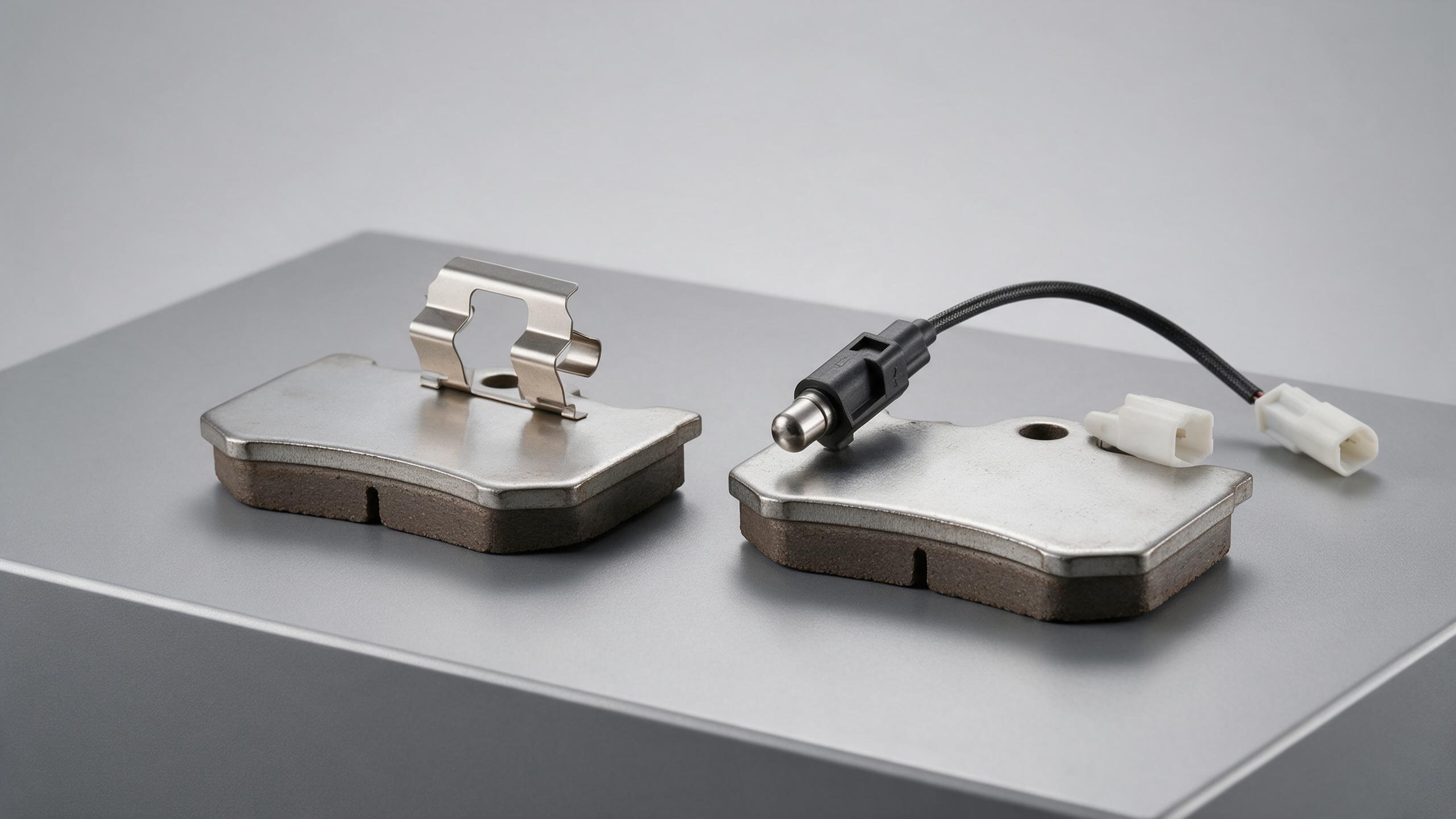
A good receiving checklist also asks whether the disc was stored and handled to protect the braking surfaces, whether the box label matches the order, and whether the installation team will inspect the hub contact surface. Those steps are modest, but they connect product selection with the conditions that influence brake rotor runout after installation.
A practical action plan when vibration is reported
Start by documenting the complaint and measuring before authorizing a replacement. Next, clean and inspect the hub-to-disc contact surface, check the mounting condition, and retest. If the reading changes when the rotor is indexed or the hub is measured separately, the result can help focus the repair decision. If thickness variation, caliper concerns, or bearing play is found, address the whole condition rather than replacing one component in isolation.
For channel partners, the most useful escalation package includes photos of the contact surfaces, vehicle/application details, disc measurements, torque procedure information, and the relevant service limit. This turns a vague brake-disc warping claim into a technical discussion that can be reviewed consistently.
Key takeaway
Brake rotor runout is a measurable relationship between the rotating disc and the hub, not a label to apply whenever braking vibration occurs. Treat it as part of a complete brake inspection: confirm the application, measure against the correct vehicle specification, check thickness and mounting conditions, and document what was found. That approach gives buyers, installers, and aftersales teams a more dependable path from symptom to decision.