High-Performance Automotive Brake Pads: Advanced Safety and Reliability for Modern Vehicles

application/automotive-brake-pad, application/automotive-brake-pad, 
Get a Quote
Get a Quote

automotive brake pad

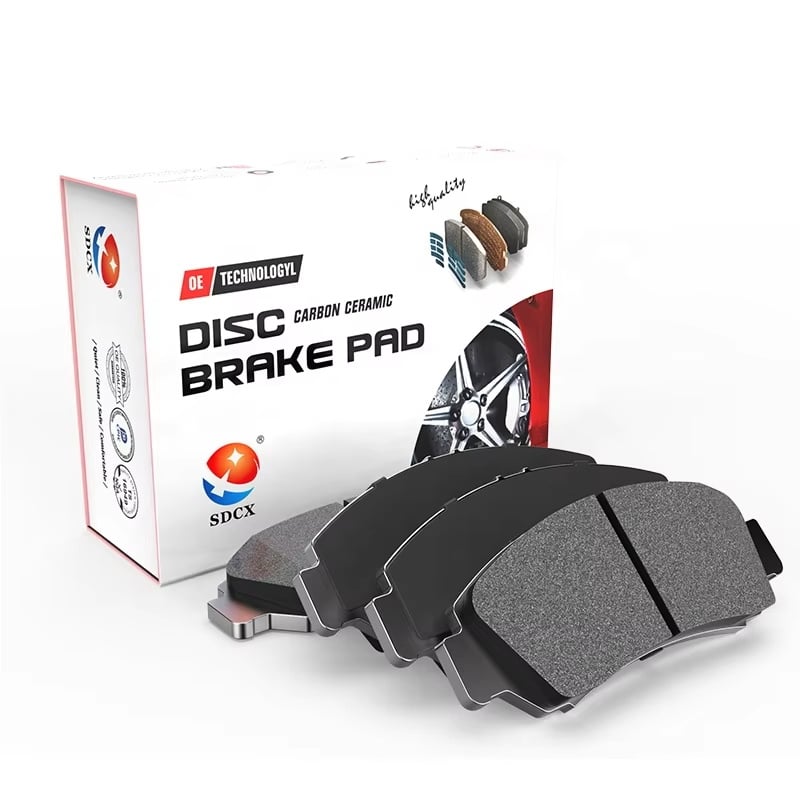
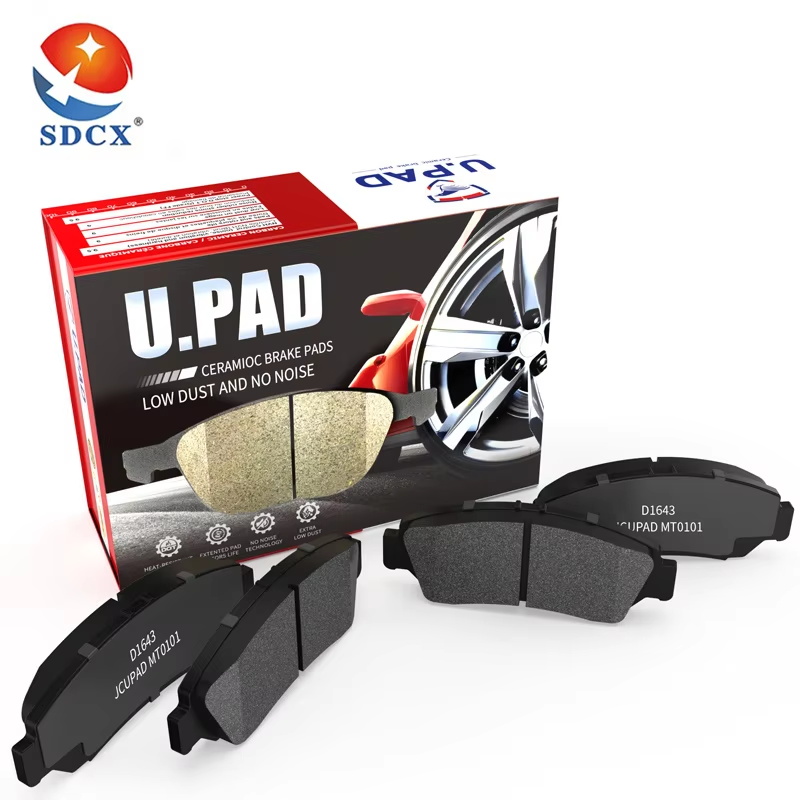
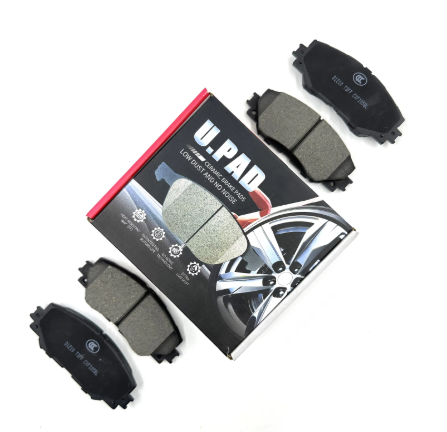
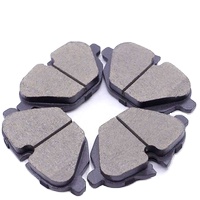
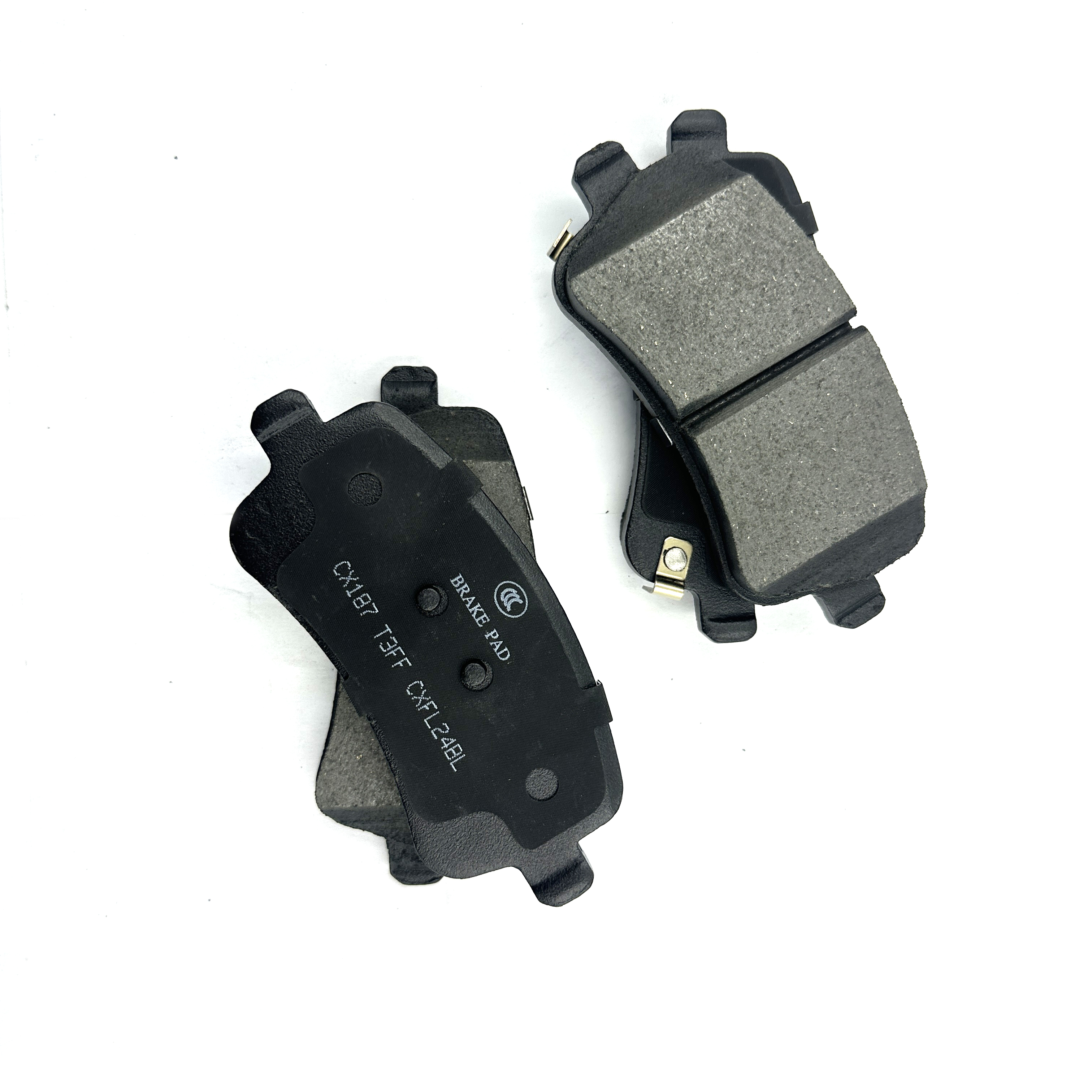
The automotive brake pad stands as a critical safety component in modern vehicles, serving as the primary friction material that enables effective stopping power. These engineered components work in conjunction with the brake rotor to convert kinetic energy into thermal energy through friction, bringing vehicles to a controlled stop. Modern brake pads are manufactured using advanced composite materials, typically consisting of a steel backing plate bonded with friction material containing metallic, organic, and ceramic compounds. This sophisticated composition ensures optimal performance across various driving conditions while maintaining structural integrity under extreme temperatures. The design incorporates multiple layers, including a friction layer, bonding layer, and noise-reduction shims, working together to deliver consistent braking performance while minimizing unwanted noise and vibration. Brake pads are engineered to specific vehicle requirements, taking into account factors such as vehicle weight, intended use, and performance expectations. They undergo rigorous testing to ensure they meet safety standards and provide reliable stopping power throughout their service life. Regular inspection and timely replacement of brake pads are essential for maintaining vehicle safety and optimal braking performance.
Automotive brake pads offer numerous advantages that make them indispensable for vehicle safety and performance. Modern brake pads feature advanced material compositions that provide superior stopping power while maintaining longer service life compared to traditional options. The carefully engineered friction materials ensure consistent performance across a wide range of temperatures, from cold starts to high-speed braking scenarios. Enhanced thermal stability prevents brake fade during prolonged use, maintaining reliable stopping power even under demanding conditions. The incorporation of noise-reduction technology significantly minimizes squealing and vibration, ensuring a quieter, more comfortable driving experience. Contemporary brake pads are designed with environmental consciousness in mind, using materials that reduce dust production and minimize environmental impact. The advanced manufacturing processes result in products that offer improved wear resistance, translating to better value for vehicle owners through extended service intervals. Safety features include wear indicators that provide clear signals when replacement is necessary, preventing potential brake system failures. The compatibility with modern vehicle systems, including ABS and stability control, ensures optimal integration with safety technologies. Additionally, the variety of brake pad formulations available allows drivers to choose options that best match their driving style and vehicle requirements, from daily commuting to high-performance applications.

Practical Tips

What Are the Different Types of Auto Brake Pads and Their Benefits?

20

Mar

What Are the Different Types of Auto Brake Pads and Their Benefits?

Introduction to Auto Brake Pads and Their Role in Vehicle Safety Why Brake Pads Are Critical for Safe Driving Brake pads form part of the disc brake system in vehicles and they create the necessary friction to stop a car when needed. Around 40% of ...
View More
What Are the Signs That Your Auto Brake Pads Need Replacing?

20

Mar

What Are the Signs That Your Auto Brake Pads Need Replacing?

Introduction to Brake Pad Maintenance and Safety Why Brake Pads Are Critical for Vehicle Safety Brake pads play a vital role in keeping vehicles safe since they sit between the rotor and braking system, helping create the stopping power we need. Pr...
View More
How to Choose the Right Automotive Brake Pads for Your Vehicle

25

Apr

How to Choose the Right Automotive Brake Pads for Your Vehicle

Why Choosing the Right Automotive Brake Pads Matters Impact on Vehicle Safety Choosing the right automotive brake pads matters a lot when it comes to keeping vehicles safe on the road. These pads create the necessary friction that allows cars to sl...
View More
How Brake Pads Work: A Simple Explanation

25

Apr

How Brake Pads Work: A Simple Explanation

The Essential Role of Brake Pads in Your Vehicle What Are Brake Pads? The brake pads form an essential part of any car's disc brake setup, basically made up of some friction material attached to a metal backing plate. When pressed against the rotor...
View More

Get a Free Quote

Our representative will contact you soon.
0/1000
Superior Stopping Power and Safety

Superior Stopping Power and Safety

Modern automotive brake pads are engineered with cutting-edge friction materials that deliver exceptional stopping power under various conditions. The advanced compound formulations ensure consistent brake performance from cold starts to high-temperature situations, providing drivers with reliable stopping capability when needed most. The multi-layer construction incorporates pressure-distribution technology that maximizes contact with the rotor surface, resulting in improved braking efficiency and reduced stopping distances. This enhanced safety feature is particularly crucial in emergency braking situations, where every fraction of a second counts. The materials used are specifically chosen to maintain their friction properties even under extreme temperatures, preventing the dangerous phenomenon of brake fade during prolonged use.
Extended Durability and Performance

Extended Durability and Performance

The durability of contemporary brake pads is achieved through sophisticated manufacturing processes and material selection. High-grade friction materials are bonded to steel backing plates using advanced adhesive technologies, ensuring the components remain firmly attached even under extreme stress. The wear-resistant formulations are designed to provide consistent performance throughout the pad's service life, maintaining optimal stopping power while extending replacement intervals. This longevity is further enhanced by the incorporation of wear indicators that allow for precise monitoring of pad condition, preventing unnecessary early replacement while ensuring timely maintenance when needed. The engineering behind these components focuses on maintaining structural integrity under various environmental conditions, from freezing temperatures to intense heat.
Noise Reduction and Comfort Enhancement

Noise Reduction and Comfort Enhancement

One of the most significant advancements in brake pad technology is the integration of noise-reduction features. Modern designs incorporate specially engineered shims and dampening layers that effectively minimize brake squeal and vibration. These noise-reduction components work by absorbing and dissipating the high-frequency vibrations that typically cause unwanted noise during braking. The careful selection of friction materials also contributes to quieter operation, with specific compounds designed to maintain stable friction characteristics without producing excessive noise. This attention to acoustic performance ensures a more pleasant driving experience without compromising on braking effectiveness. The reduction in vibration not only improves comfort but also helps prevent wear on other brake system components.