High-Performance Car Brake Pads: Advanced Safety Technology for Superior Stopping Power

application/car-brake-pads, application/car-brake-pads, 
Get a Quote
Get a Quote

car brake pads

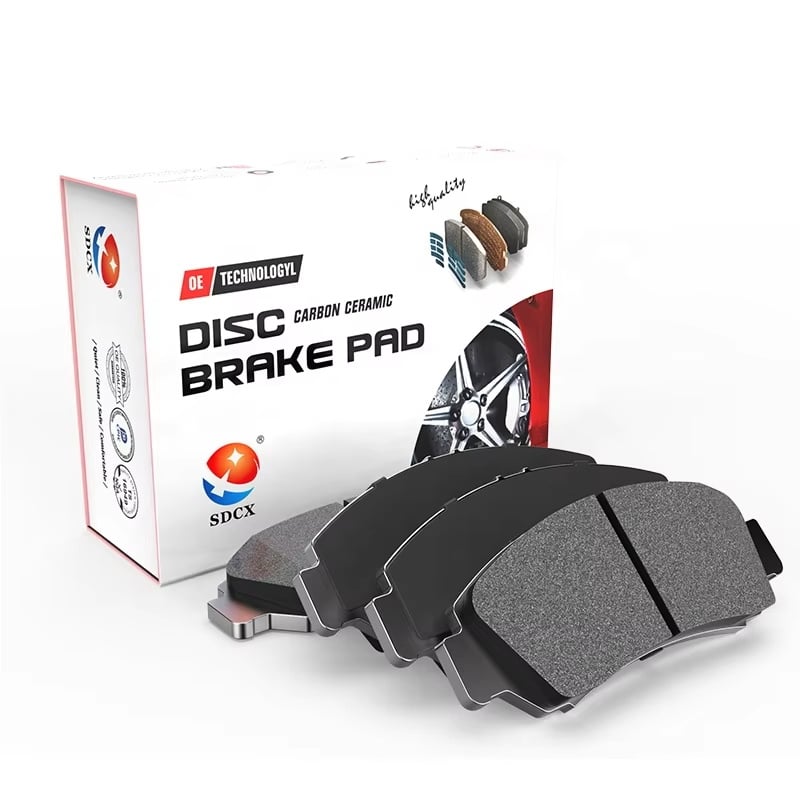
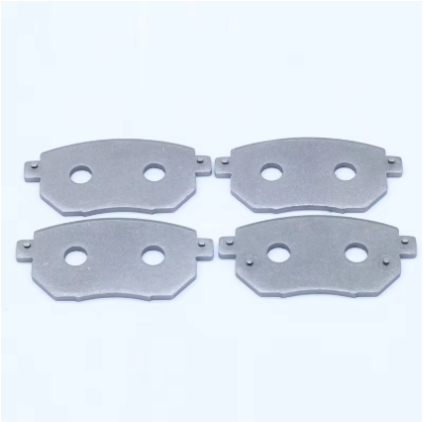
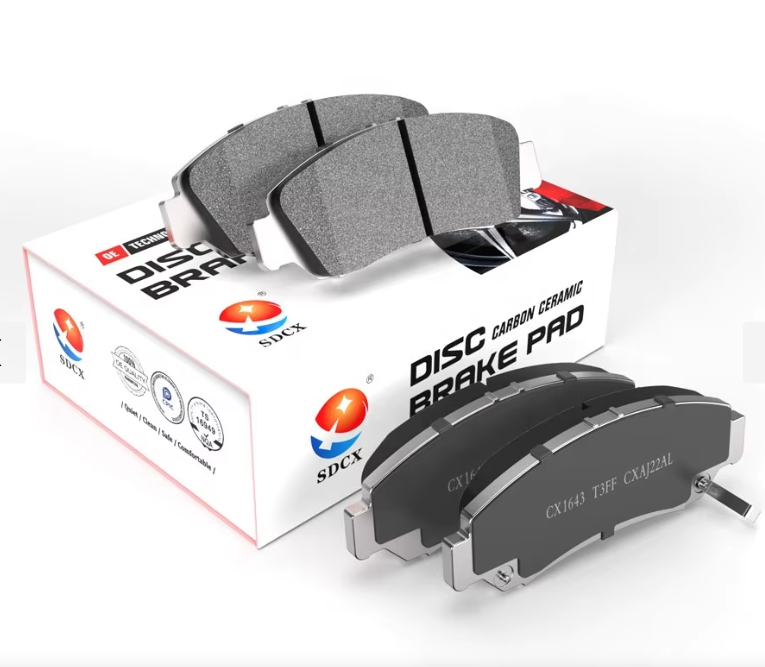
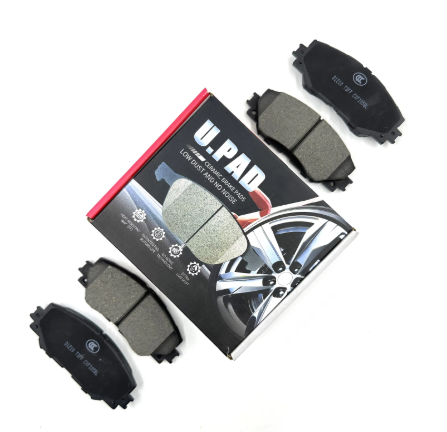
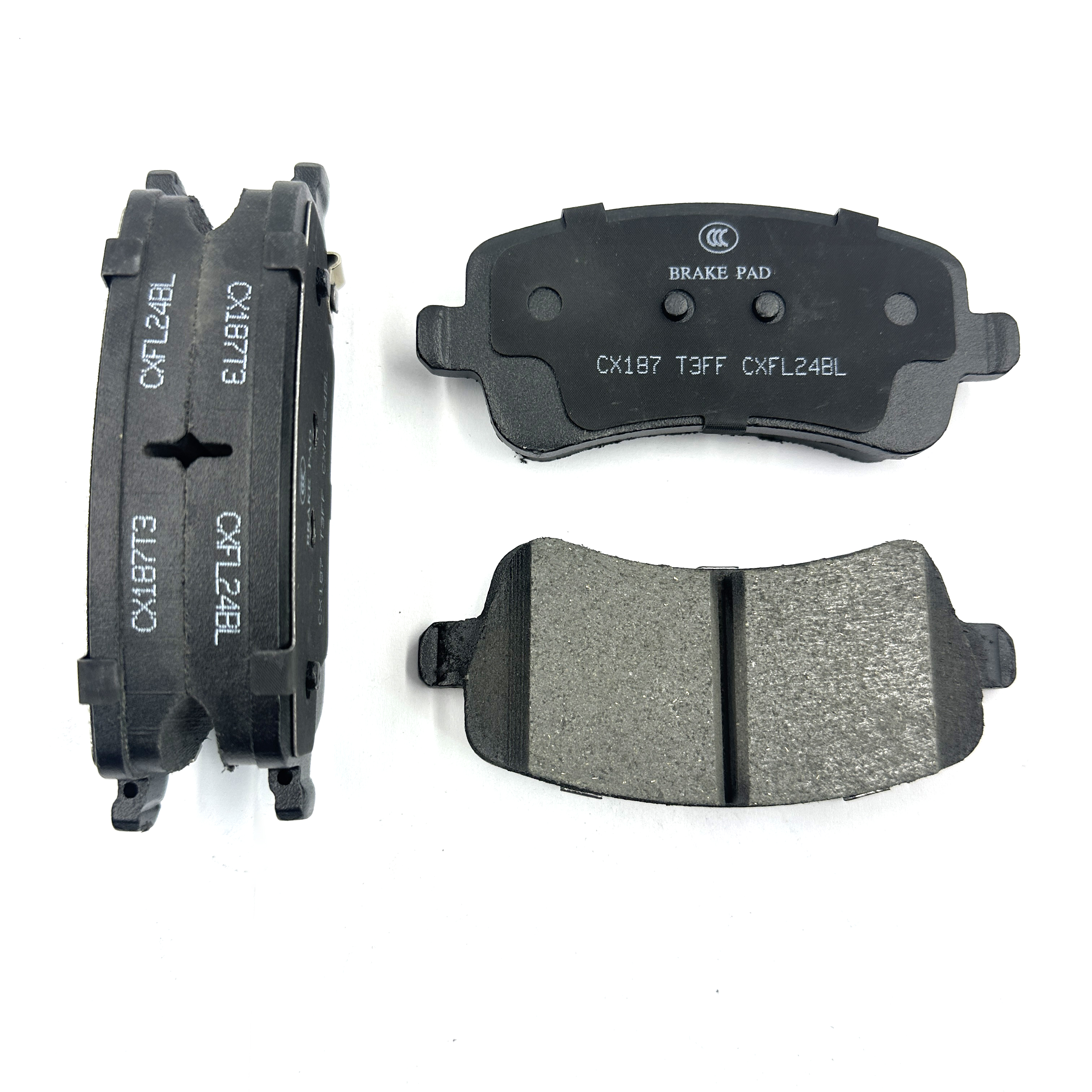
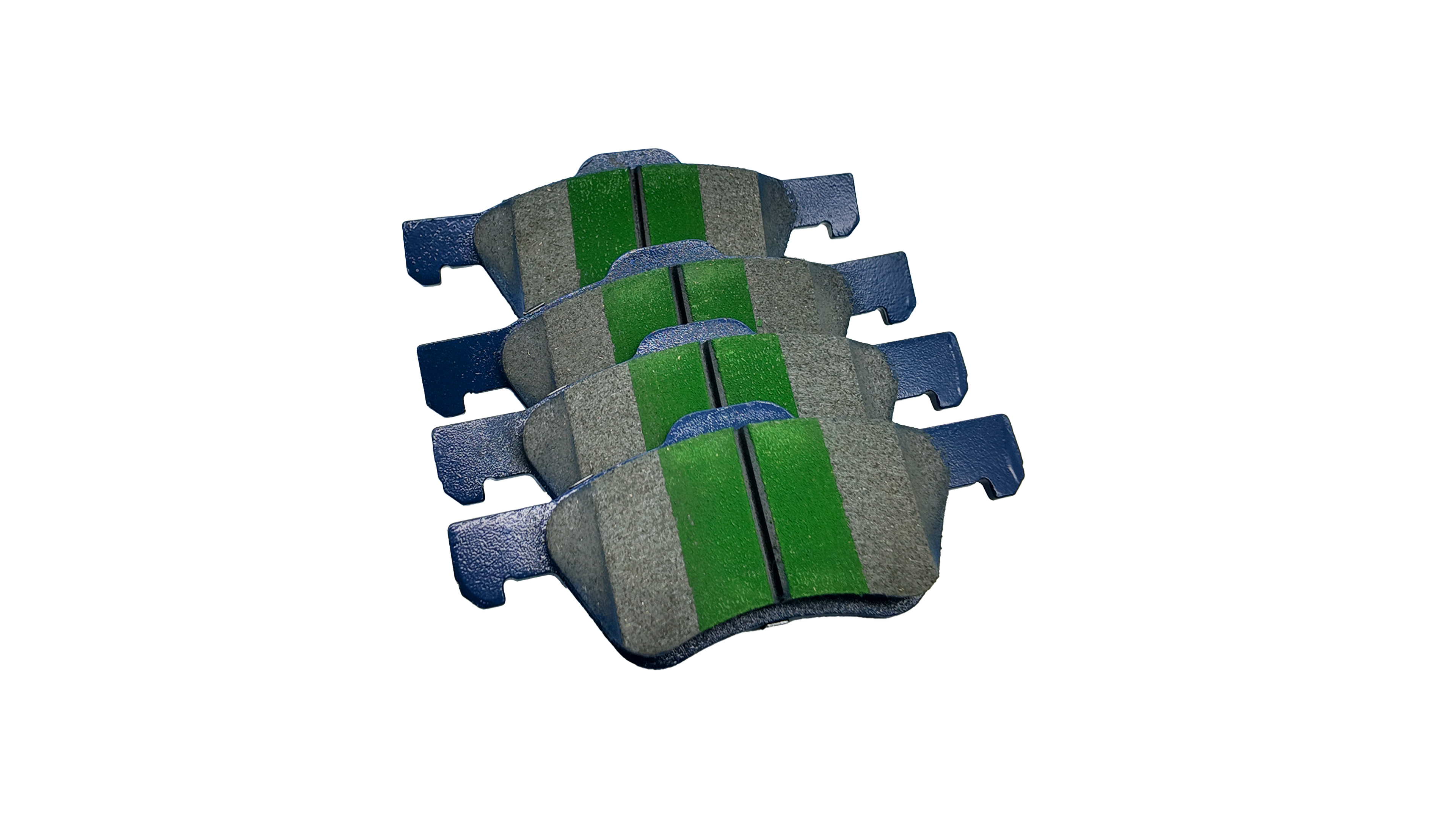
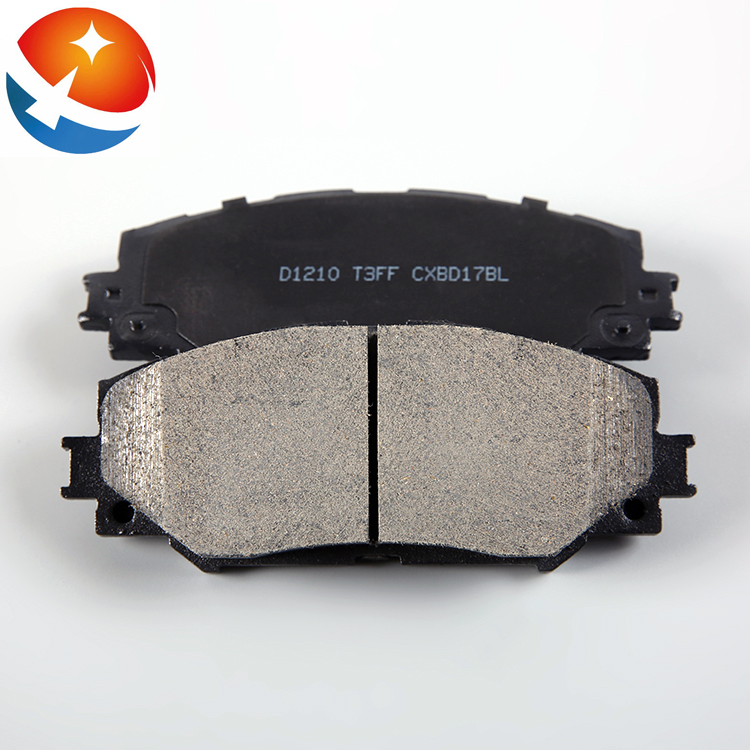
Car brake pads are crucial safety components that serve as the primary friction material in a vehicle's braking system. These engineered components are designed to create the necessary friction against the brake rotors to slow down or stop your vehicle effectively. Modern brake pads are manufactured using advanced composite materials that offer optimal performance across various driving conditions. The composition typically includes a blend of metallic, organic, and ceramic materials, each contributing to specific performance characteristics. These pads are designed to withstand high temperatures, resist fade during prolonged use, and provide consistent braking performance. The technology behind brake pads has evolved significantly, incorporating features such as noise-reducing shims, thermal scorching for better initial performance, and chamfered edges for smoother engagement. They work in conjunction with the vehicle's hydraulic system, converting kinetic energy into thermal energy through friction when pressure is applied to the brake pedal. Quality brake pads are essential for maintaining proper stopping distances, ensuring smooth braking operation, and protecting other brake system components from premature wear.
Car brake pads offer numerous advantages that make them indispensable for safe and reliable vehicle operation. First and foremost, modern brake pads provide exceptional stopping power, allowing drivers to maintain control of their vehicles in various driving conditions. The advanced materials used in their construction ensure consistent performance across a wide range of temperatures, from cold morning starts to high-heat highway driving. These pads are engineered to minimize noise and vibration, resulting in a quieter, more comfortable driving experience. The durability of contemporary brake pads means they typically last between 30,000 to 70,000 miles, depending on driving habits and conditions. Cost-effectiveness is another significant advantage, as quality brake pads help protect more expensive components of the braking system from wear and damage. They also feature wear indicators that alert drivers when replacement is necessary, preventing potential safety issues. Environmental considerations have led to the development of eco-friendly brake pad materials that reduce harmful particle emissions while maintaining high performance standards. The installation process is relatively straightforward, making maintenance and replacement more accessible and cost-effective. Additionally, modern brake pads are designed to be compatible with various vehicle types and driving styles, from everyday commuting to high-performance applications.

Practical Tips

What Are the Different Types of Auto Brake Pads and Their Benefits?

20

Mar

What Are the Different Types of Auto Brake Pads and Their Benefits?

Introduction to Auto Brake Pads and Their Role in Vehicle Safety Why Brake Pads Are Critical for Safe Driving Brake pads form part of the disc brake system in vehicles and they create the necessary friction to stop a car when needed. Around 40% of ...
View More
Which Brake Pads Are Right for You? Best Options Reviewed

25

Apr

Which Brake Pads Are Right for You? Best Options Reviewed

Types of Brake Pads: Which Option Suits Your Needs? Ceramic Brake Pads: Quiet and Low-Dust Performance Many drivers opt for ceramic brake pads because they run quietly and don't create much dust, which makes sense if someone wants cleaner wheels an...
View More
Best Brake Pads for Every Budget and Vehicle Type

25

Apr

Best Brake Pads for Every Budget and Vehicle Type

Types of Brake Pads and Their Key Features Semi-Metallic Brake Pads: Durability for Performance Driving The automotive world has long favored semi-metallic brake pads because they last forever and perform great when things get hot. These pads typic...
View More
How Brake Pads Work: A Simple Explanation

25

Apr

How Brake Pads Work: A Simple Explanation

The Essential Role of Brake Pads in Your Vehicle What Are Brake Pads? The brake pads form an essential part of any car's disc brake setup, basically made up of some friction material attached to a metal backing plate. When pressed against the rotor...
View More

Get a Free Quote

Our representative will contact you soon.
0/1000
Superior Heat Management Technology

Superior Heat Management Technology

Modern car brake pads incorporate advanced heat management technology that sets them apart from conventional braking components. This innovative feature utilizes specially engineered thermal barriers and heat-dissipating materials to maintain optimal operating temperatures during intense braking scenarios. The technology prevents brake fade, a common issue where braking effectiveness decreases due to excessive heat buildup. This is particularly crucial during demanding driving conditions such as descending long hills or during performance driving. The thermal management system includes strategically placed ventilation channels and heat-resistant compounds that work together to quickly dissipate heat, ensuring consistent braking performance even under extreme conditions. This technology not only enhances safety but also significantly extends the lifespan of both the brake pads and rotors.
Noise Reduction Engineering

Noise Reduction Engineering

The latest generation of car brake pads features sophisticated noise reduction engineering that dramatically improves the driving experience. This technology incorporates multiple layers of sound-dampening materials and specially designed shims that effectively eliminate the squealing and squeaking commonly associated with brake applications. The engineering process includes precision-cut chamfers and slots that help prevent vibration-induced noise while maintaining optimal braking performance. Advanced computer modeling is used to identify and eliminate potential noise-causing frequencies during the design phase. This attention to noise reduction doesn't just improve comfort; it also serves as an indicator of proper brake pad function and installation. The technology ensures quiet operation across the entire temperature range and throughout the brake pad's service life.
Adaptive Performance Compound

Adaptive Performance Compound

The adaptive performance compound used in modern car brake pads represents a breakthrough in braking technology. This innovative material formulation automatically adjusts its friction characteristics based on various driving conditions and brake temperatures. The compound combines organic, ceramic, and metallic elements in precise ratios to deliver optimal performance across different weather conditions and driving styles. This adaptability ensures consistent braking force whether the pads are cold, hot, wet, or dry. The compound also features self-cleaning properties that help maintain the brake pad's surface condition, preventing glazing and ensuring consistent performance over time. This advanced material technology significantly reduces brake dust accumulation on wheels while providing superior stopping power and extended pad life.