 EN

How Stable Friction Supports Consistent Brake Pad Performance
A brake pad is not defined only by whether it can create stopping force in one moment. For vehicle owners, fleets, distributors, and brake-pad brands, the more useful question is whether that force remains predictable as conditions change. This is where friction stability matters. In ceramic brake pads, a stable friction coefficient helps make braking feel more repeatable across routine stops, changing temperatures, and normal variations in load and road use.
From a brake-material technical perspective, it is important to separate a high friction number from a stable friction response. A material can show strong friction in one test condition yet change noticeably as temperature, pressure, speed, rotor surface, or bedding state changes. Consistency is the ability to keep the braking response within an agreed, suitable operating range under the conditions that matter for the target vehicle.
What a Stable Friction Coefficient Means
The coefficient of friction describes the relationship between the clamping force applied to the brake pad and the friction force developed at the pad-and-rotor interface. It is not a permanent label that applies in every situation. Brake friction is dynamic: heat, contact pressure, sliding speed, humidity, surface films, and the condition of both pad and disc can all influence it.
For ceramic brake pads, stability means the coefficient does not swing excessively during a defined sequence of stops. The goal is not necessarily the highest possible friction value. Instead, the desired result is a controlled response that supports predictable deceleration and a familiar pedal feel. A well-defined target range also gives engineering, purchasing, and quality teams a clearer basis for comparing samples.
It helps to make one practical shift in thinking: do not ask only, “What is the friction coefficient?” Ask, “Across which temperatures, speeds, pressures, and test phases was it measured, and how much did it vary?” That change turns a single data point into a meaningful performance discussion.
Why Consistency Matters in Everyday Braking
When friction behavior changes sharply from one stop to the next, drivers may notice that the vehicle responds differently to similar pedal input. The difference can appear as a changing pedal effort, uneven confidence during repeated braking, or an altered response after the brake system warms up. These effects should be assessed as part of the complete brake system, including the rotor, caliper, hydraulic system, tire condition, vehicle load, and installation quality.
For ceramic brake pads, a stable friction response can support a smoother ownership experience when the formulation and vehicle application are properly matched. It can also help distributors and brand managers communicate performance expectations more accurately. This does not mean every ceramic formulation is suitable for every vehicle or duty cycle. Vehicle use, brake hardware, target market requirements, and validation criteria should all be confirmed before a material decision is made.
The Conditions That Can Change Brake-Pad Friction
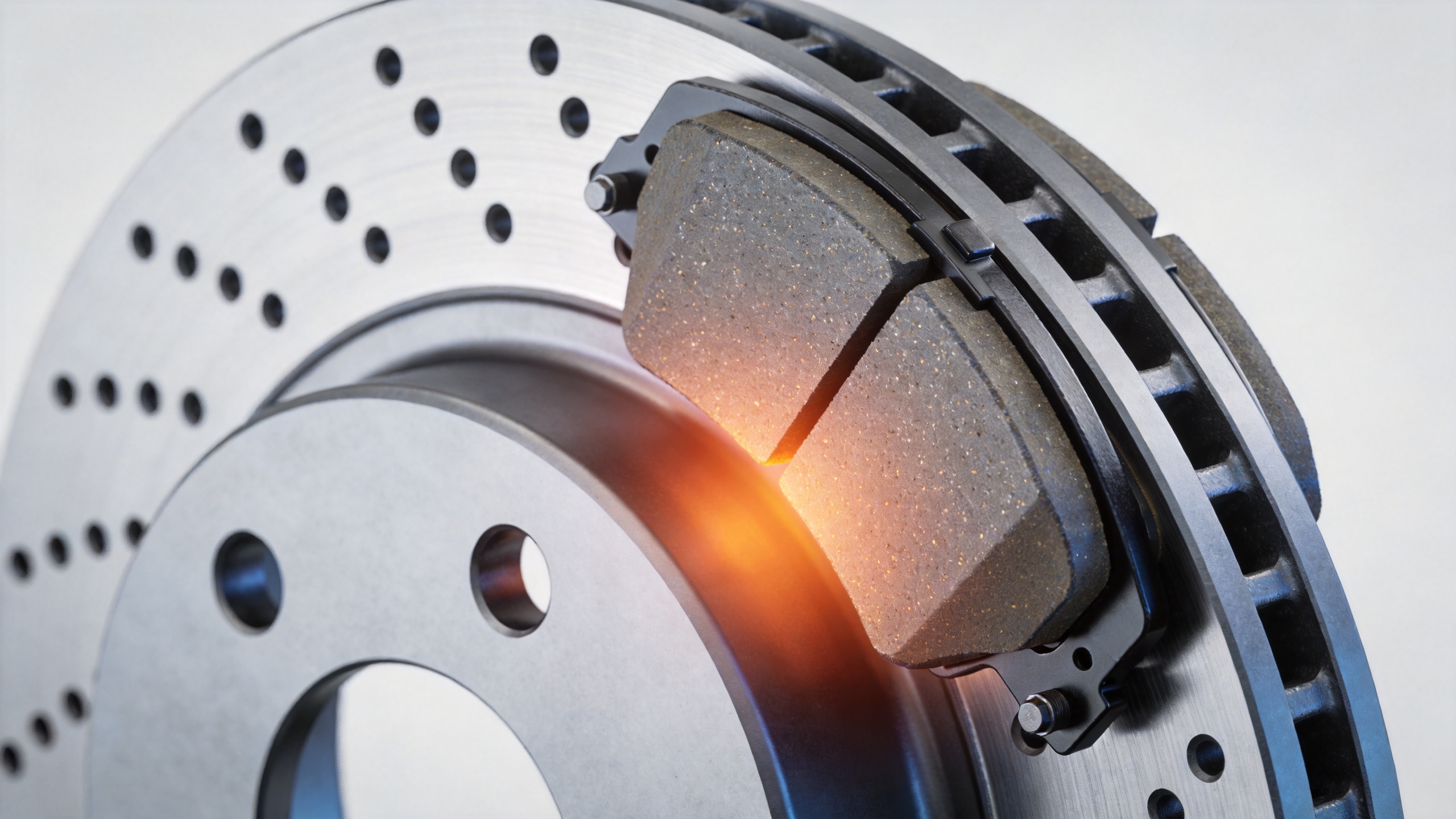
Temperature is one of the most important variables. Friction research and brake-testing practice both recognize that a pad material’s coefficient can change as the interface heats and cools. Repeated stops may create a different response from a cold stop, while recovery behavior after a heat event can be just as important as the initial change. A supplier discussion should therefore include the intended temperature window and how the material performs through the relevant test sequence.
Other conditions deserve the same attention:
- Contact pressure: Changes in braking demand can alter the friction response.
- Sliding speed: Highway, urban, and loaded-vehicle use may expose different braking conditions.
- Rotor condition: Disc material, surface finish, runout, and wear state affect the contact interface.
- Bedding and transfer layer: Initial installation and bedding can influence the surface film that develops between pad and rotor.
- Environment: Moisture, corrosion exposure, dust, and storage conditions can affect early-use behavior.
These variables explain why broad claims about a pad material should be treated carefully. Before presenting ceramic brake pads as a solution, confirm the vehicle platform and the operating conditions that the program is intended to cover.
How Testing Makes Stability Easier to Evaluate
A credible technical conversation needs more than a headline value. Inertia-dynamometer methods, such as the SAE J2522 test procedure, are examples of documented approaches used to screen brake friction material behavior through defined sequences. The relevant point for a buyer is not to assume that every product follows one specific method, but to ask the supplier to identify the actual test method, the conditions used, and the acceptance criteria.
Useful records may include a friction-versus-temperature plot, hot-performance and recovery observations, wear results, noise evaluation notes, and the sample or formulation revision tested. If figures are supplied, request the context: rotor specification, pressure, speed, number of stops, conditioning process, and the definition of any reported average. Those details make it easier to determine whether two results are truly comparable.
A Practical Technical Checklist for Buyers
For an awareness-stage evaluation, start with a concise request for information rather than an immediate material verdict. When reviewing ceramic brake pads, ask for the following:
- The target vehicle, axle position, and intended duty conditions.
- The friction test method and the relevant test sequence.
- The target friction range and the acceptable variation across the stated conditions.
- Hot-performance, fade, and recovery observations where applicable.
- Rotor compatibility and bedding guidance.
- Wear, noise, dust, and fitment criteria that are relevant to the program.
- Traceability for the sample, material revision, and associated validation records.
This checklist does not replace vehicle-level validation. It gives purchasers a structured way to clarify what the proposed friction material is designed to do and where further testing is needed.
How to Read a Ceramic Brake Pads Test Summary
For ceramic brake pads, the most useful report is one that connects each result to a defined test condition. A ceramic brake pads program should identify the sample revision, the rotor used, and the conditioning sequence. If a supplier presents ceramic brake pads data, purchasers should ask whether the result represents cold stops, repeated stops, hot stops, or recovery after heating.
The following evaluation questions keep ceramic brake pads discussions specific:
| Evaluation question | Why it matters for ceramic brake pads |
|---|---|
| What vehicle and axle were used? | Ceramic brake pads must be assessed against the intended brake hardware and load. |
| What temperature range was covered? | Ceramic brake pads can be compared more meaningfully when the operating window is stated. |
| How did friction vary during repeated stops? | A stable response helps show how ceramic brake pads behave beyond one initial stop. |
| Was recovery recorded? | Recovery information adds context when reviewing ceramic brake pads after heat exposure. |
| Which rotor specification was used? | The rotor is part of the friction pair for ceramic brake pads. |
| What was the bedding process? | Bedding conditions can affect the contact layer formed by ceramic brake pads. |
| What acceptance range was agreed? | An agreed range makes ceramic brake pads performance easier to review consistently. |
| Can the sample be traced? | Traceability helps connect ceramic brake pads results to the correct formulation and revision. |
These questions do not declare ceramic brake pads suitable by themselves. They help a buyer compare ceramic brake pads on evidence, identify gaps in a test package, and decide which vehicle-level validation remains necessary. For a brand program, the same framework also helps technical teams explain why one ceramic brake pads sample cannot automatically be generalized to another platform.
Connecting Material Discussion to a Real Product Program
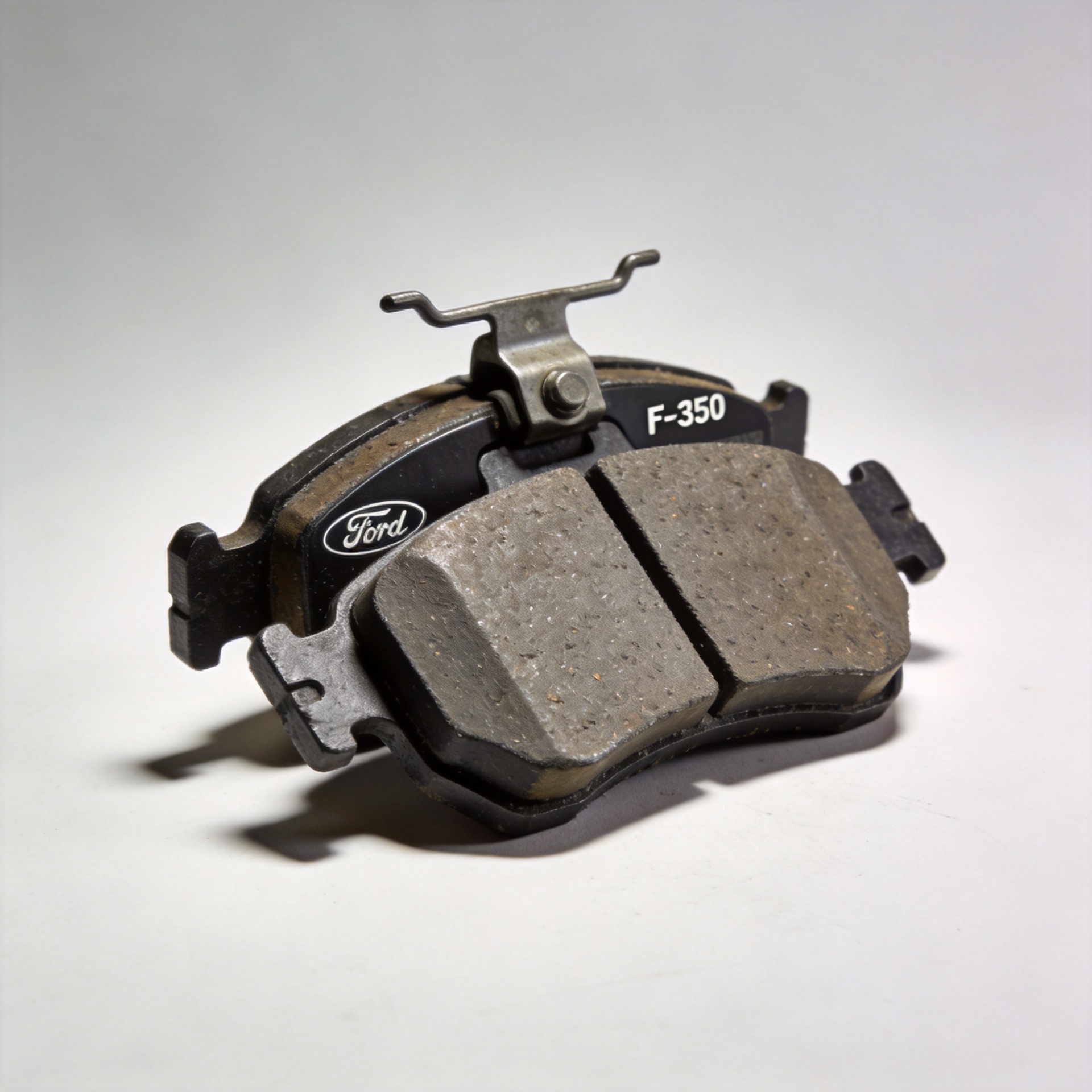
When a replacement brake-pad program is being reviewed, technical information should be linked to the exact application rather than generalized from a product name. For example, the SDCX D1631-8782 / BC3Z-2001-C / BC3Z-2001-E brake pad for Ford Truck F-350 Super Duty 2011–2016 should be evaluated against its stated vehicle application and supporting documentation. A product page alone is not proof of a specific friction curve, certification, or test outcome.
For brake-pad brands and wholesalers, this application-by-application approach improves technical communication. It makes it easier to align sample approval, documentation requests, packaging information, and later quality follow-up with the same verified part number.
Stable Friction Is a Decision Framework, Not a Standalone Claim
Stable friction helps support consistent brake-pad performance because it focuses attention on repeatable behavior, not a single isolated number. For ceramic brake pads, the right evaluation begins with the vehicle and duty cycle, then examines how the material responds to heat, pressure, speed, rotor conditions, and bedding. A clear test record and well-defined acceptance range provide a more reliable basis for technical communication than broad performance promises.
Before finalizing a brake-pad program, confirm the application, request the relevant documentation, and validate the complete system under the conditions that matter to the target market. That disciplined process is how friction stability becomes a useful quality-control concept rather than just a marketing phrase.