High-Performance Industrial Rotors: Advanced Engineering for Optimal Efficiency and Reliability

application/rotors, application/rotors, 
Get a Quote
Get a Quote

rotors

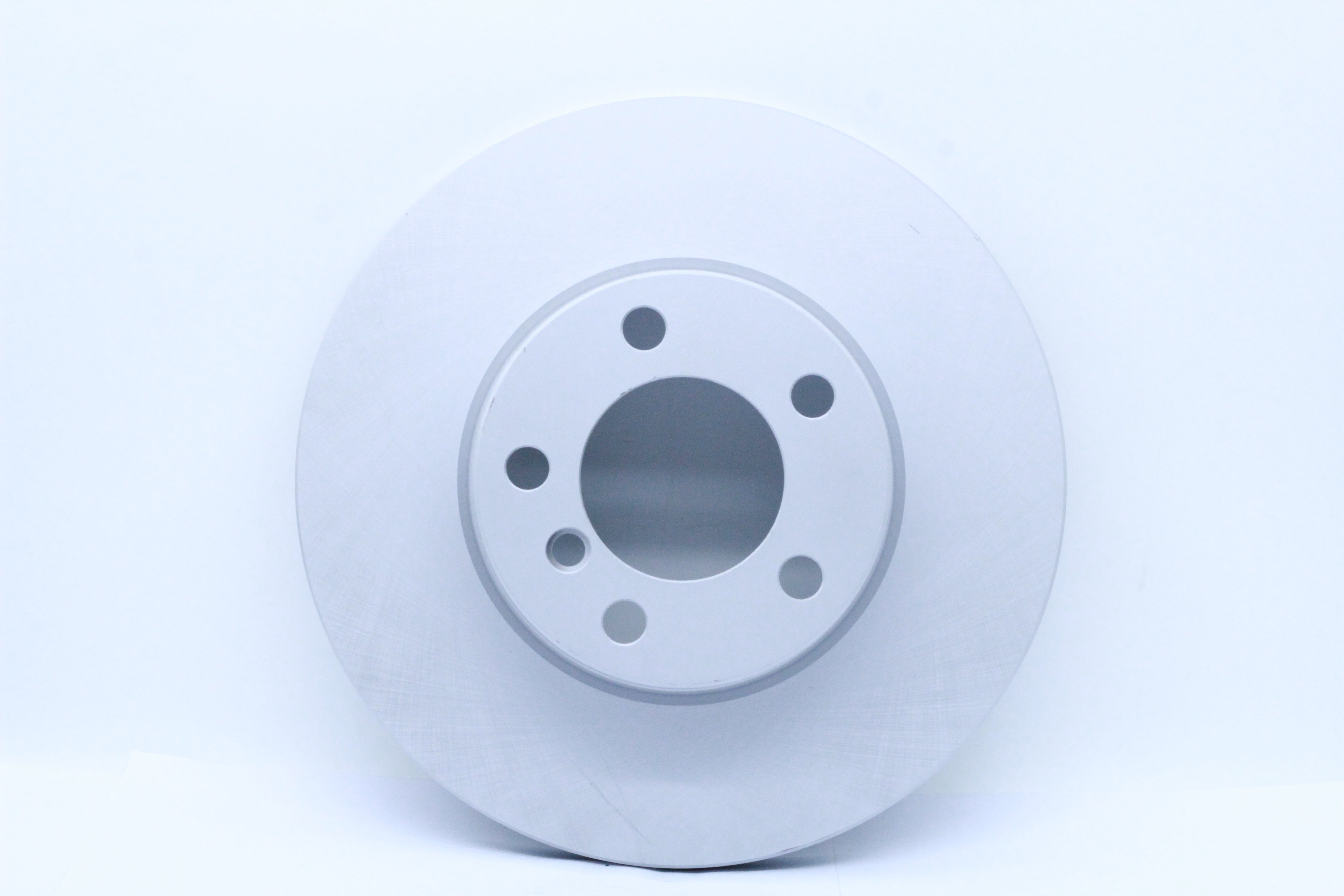
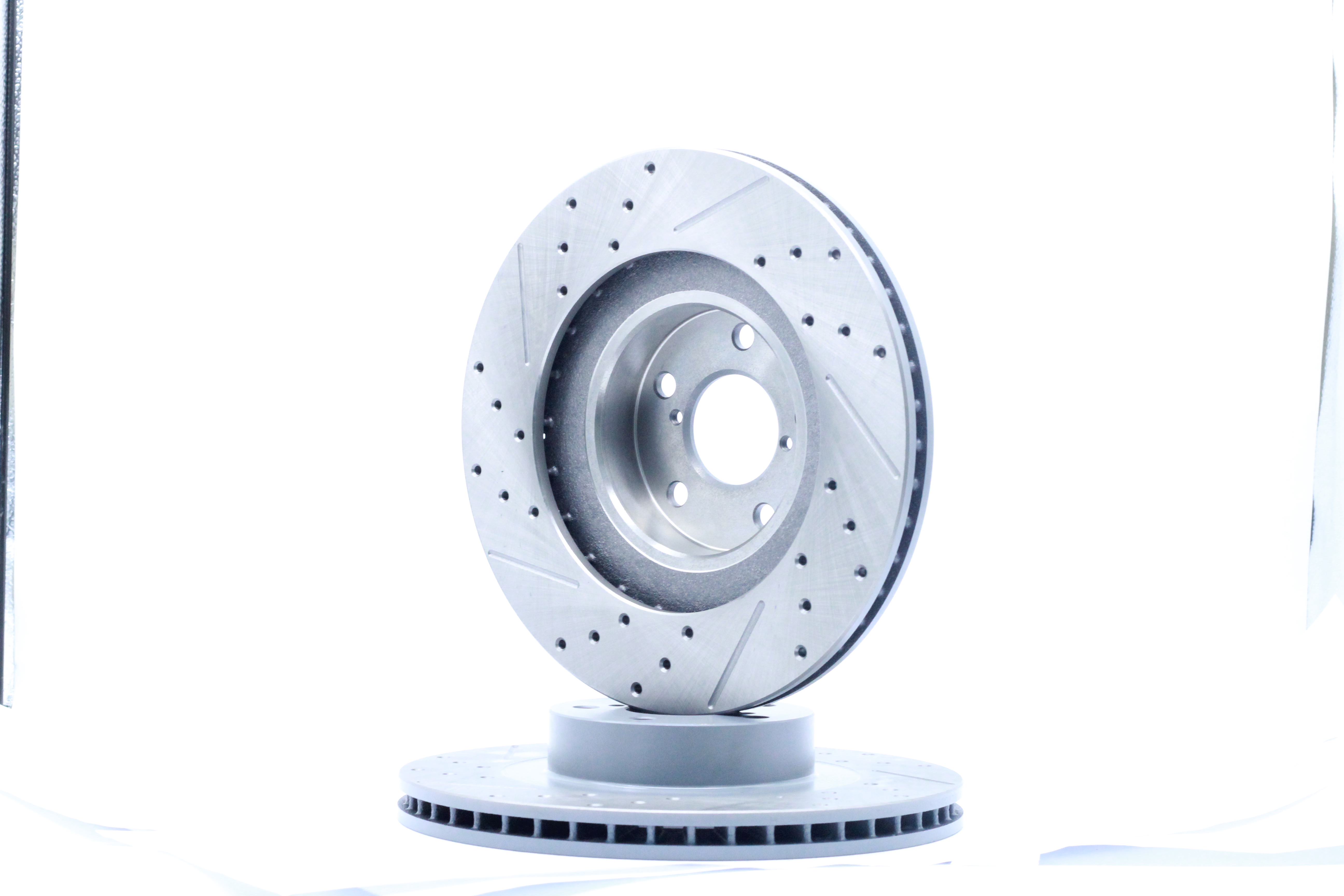
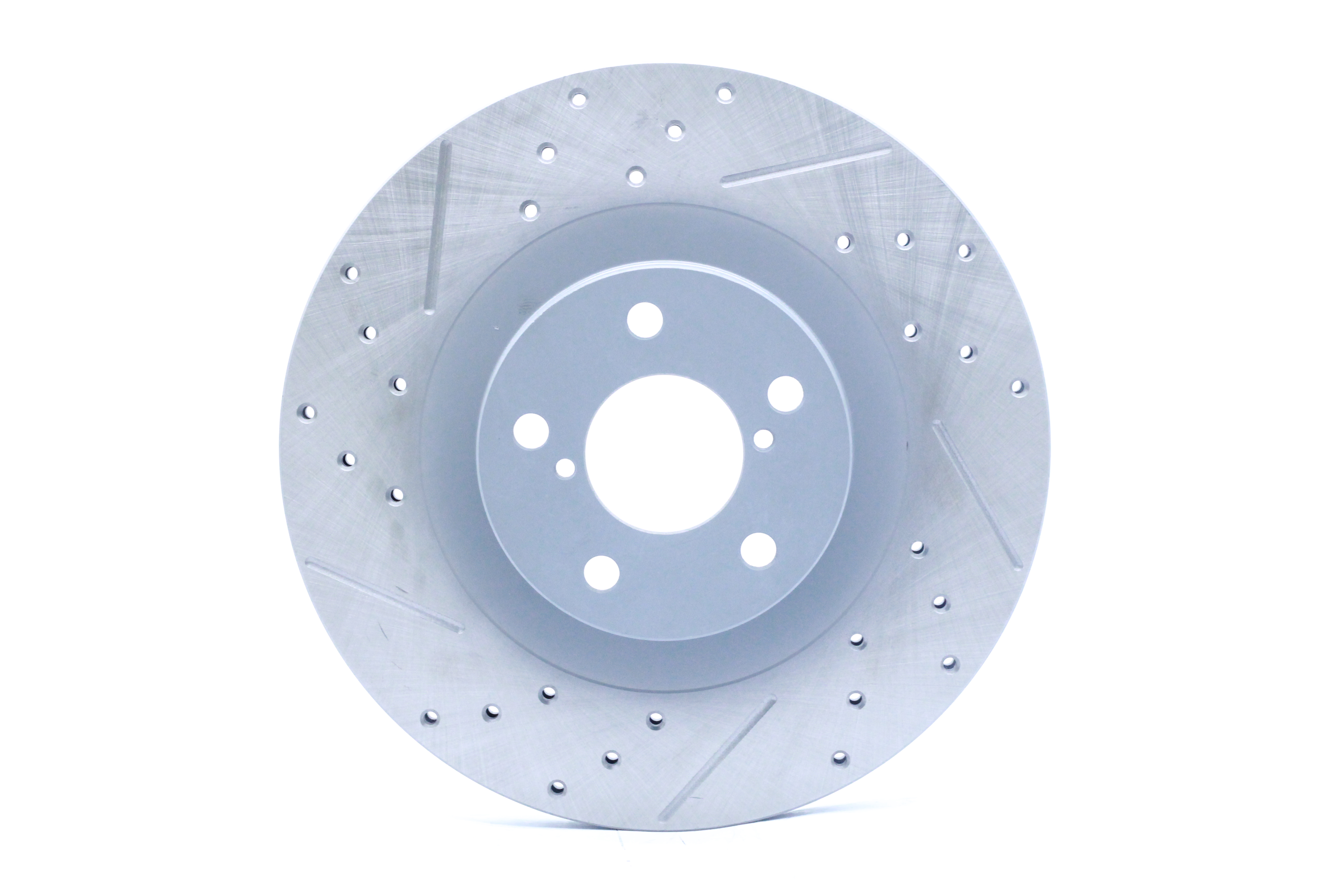
Rotors are fundamental mechanical components that serve as the cornerstone of numerous industrial applications, characterized by their ability to generate rotational motion and power transmission. These precision-engineered devices consist of carefully balanced cylindrical structures designed to rotate around a fixed axis, enabling the conversion of various energy forms into mechanical power. Modern rotors incorporate advanced materials and sophisticated design elements, including precision-machined surfaces, dynamic balancing systems, and specialized coatings that enhance their performance and longevity. In industrial settings, rotors play a crucial role in applications ranging from power generation in turbines to material processing in manufacturing equipment. Their design typically features optimized aerodynamic profiles, engineered stress distribution patterns, and integrated cooling systems that work together to maintain operational efficiency under demanding conditions. The technological evolution of rotors has led to the development of smart monitoring systems that provide real-time performance data, allowing for predictive maintenance and enhanced operational reliability. These innovations have significantly improved the overall efficiency and reliability of rotor-based systems, making them indispensable in modern industrial operations.
Rotors offer significant advantages that make them essential in various industrial applications. Their primary benefit lies in their ability to deliver consistent and reliable power transmission with minimal energy loss, enabling efficient operation across diverse operating conditions. The advanced engineering inherent in modern rotor design results in exceptional durability and longevity, reducing maintenance requirements and operational downtime. These components feature sophisticated balance optimization that minimizes vibration and noise, contributing to smoother operation and reduced wear on associated machinery. The integration of smart monitoring capabilities allows for proactive maintenance scheduling, preventing unexpected failures and optimizing performance throughout the rotor's lifecycle. Modern rotors also demonstrate remarkable adaptability to different operating environments, thanks to their specialized coating technologies and materials science innovations. Their design flexibility enables customization for specific applications, ensuring optimal performance in various industrial settings. The implementation of advanced aerodynamic principles in rotor design has led to significant improvements in energy efficiency, resulting in reduced operating costs and environmental impact. Additionally, the incorporation of precision manufacturing techniques ensures consistent quality and performance reliability, while the use of advanced materials enhances resistance to wear, corrosion, and thermal stress.

Practical Tips

What Are the Different Types of Auto Brake Pads and Their Benefits?

20

Mar

What Are the Different Types of Auto Brake Pads and Their Benefits?

Introduction to Auto Brake Pads and Their Role in Vehicle Safety Why Brake Pads Are Critical for Safe Driving Brake pads form part of the disc brake system in vehicles and they create the necessary friction to stop a car when needed. Around 40% of ...
View More
How to Install Auto Brake Pads: A Step-by-Step Guide?

20

Mar

How to Install Auto Brake Pads: A Step-by-Step Guide?

The Critical Role of Brakes in Vehicle Safety Working brakes are absolutely essential for keeping cars safe on the road because they stop vehicles when needed, giving drivers control and helping avoid accidents altogether. Statistics from the NHTSA...
View More
How Brake Pads Work: A Simple Explanation

25

Apr

How Brake Pads Work: A Simple Explanation

The Essential Role of Brake Pads in Your Vehicle What Are Brake Pads? The brake pads form an essential part of any car's disc brake setup, basically made up of some friction material attached to a metal backing plate. When pressed against the rotor...
View More
Why Brake Pads Are Essential for Safe Driving

25

Apr

Why Brake Pads Are Essential for Safe Driving

The Role of Brake Pads in Vehicle Safety Friction: The Core Mechanism of Braking Brake pads are really important for keeping vehicles safe since they create friction against the brake rotors when drivers need to slow down or stop completely. The am...
View More

Get a Free Quote

Our representative will contact you soon.
0/1000
Advanced Material Technology and Durability

Advanced Material Technology and Durability

Modern rotors leverage cutting-edge material science to deliver unprecedented durability and performance. The implementation of high-strength alloys and composite materials results in components that maintain structural integrity under extreme operating conditions. These advanced materials exhibit superior resistance to thermal stress, mechanical wear, and chemical corrosion, significantly extending the operational lifespan of the rotor system. The carefully selected material composition enables optimal weight distribution and balance, contributing to smoother operation and reduced vibration. This enhanced material technology also facilitates better heat dissipation, preventing thermal degradation and maintaining consistent performance across various operating temperatures.
Intelligent Monitoring and Predictive Maintenance

Intelligent Monitoring and Predictive Maintenance

Contemporary rotor systems incorporate sophisticated sensor networks and monitoring capabilities that revolutionize maintenance approaches. These intelligent systems continuously collect and analyze operational data, including vibration patterns, temperature variations, and performance metrics. This real-time monitoring enables early detection of potential issues, allowing maintenance teams to address problems before they escalate into critical failures. The integration of machine learning algorithms helps predict maintenance requirements with unprecedented accuracy, optimizing maintenance schedules and reducing unnecessary downtime. This predictive capability significantly enhances operational reliability while minimizing maintenance costs and extending equipment life.
Energy Efficiency and Sustainable Operation

Energy Efficiency and Sustainable Operation

Modern rotor designs prioritize energy efficiency through optimized aerodynamic profiles and reduced friction losses. The implementation of advanced sealing technologies and precision-engineered surfaces minimizes energy waste, resulting in lower operational costs and reduced environmental impact. These efficiency improvements are achieved through careful consideration of fluid dynamics and thermal management, ensuring optimal performance under various load conditions. The integration of energy-recovery systems and smart power management features further enhances the sustainability of rotor-based operations, making them increasingly attractive for environmentally conscious industries.