High-Performance Brake Rotors: Advanced Safety and Reliability Solutions

application/rotor-and-brakes, application/rotor-and-brakes, 
Get a Quote
Get a Quote

rotor and brakes

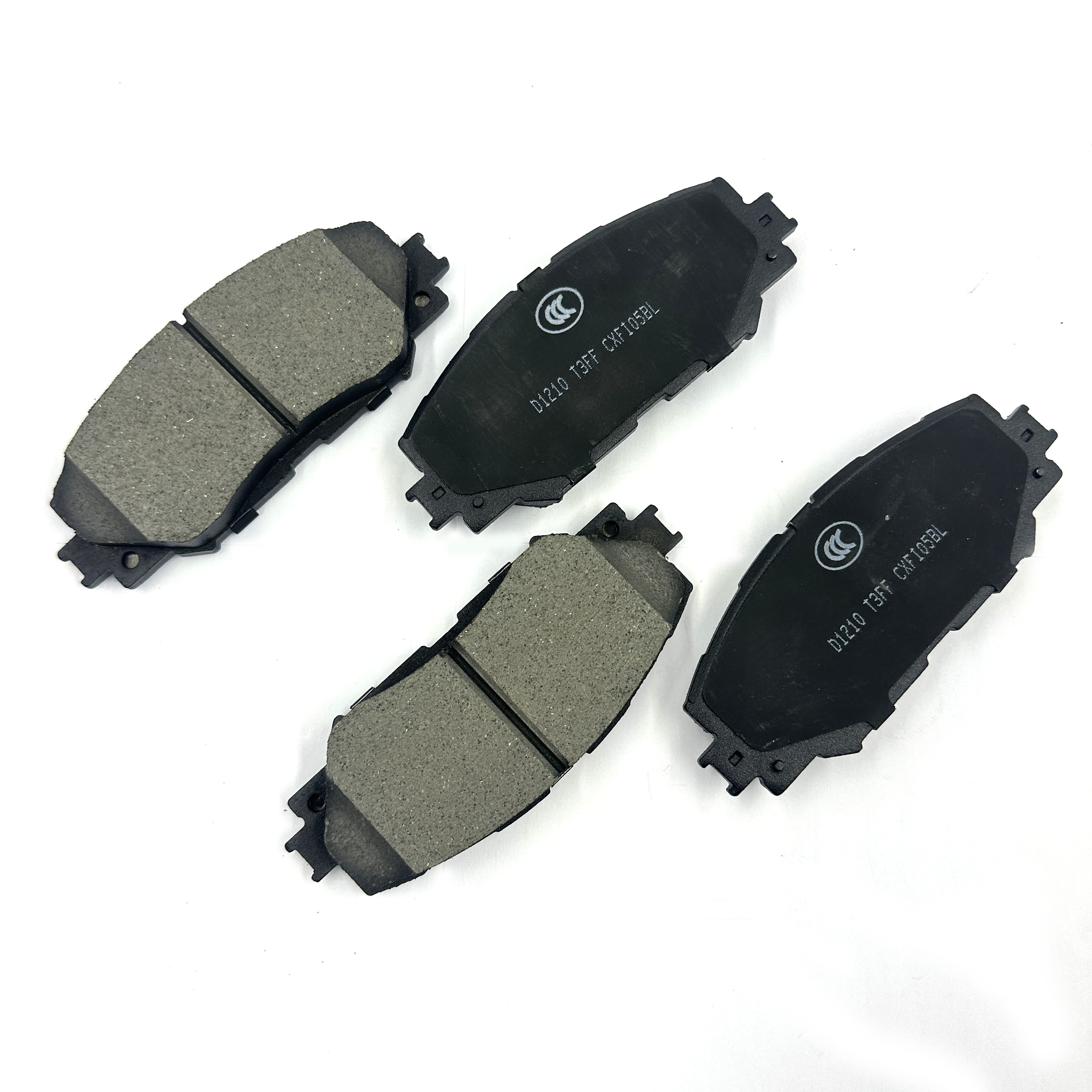
Rotors and brakes represent essential components in modern vehicle safety and performance systems. The rotor, a circular disc typically manufactured from high-grade steel or carbon-ceramic materials, works in conjunction with brake pads to create the friction necessary for vehicle deceleration. These components utilize advanced metallurgy and precise engineering to maintain optimal performance under varying conditions, from everyday commuting to high-performance applications. The system operates through a hydraulic mechanism where brake fluid transfers force from the pedal to the calipers, which then compress the pads against the rotor surface. Modern rotors often feature innovative cooling designs, including internal ventilation channels and cross-drilled patterns, that help dissipate heat more effectively during intense braking situations. The technology has evolved to include sophisticated wear indicators, anti-noise features, and corrosion-resistant coatings that extend service life and enhance reliability. In performance applications, these components are often upgraded with larger diameter rotors and multi-piston calipers to provide enhanced stopping power and better heat management.
The implementation of advanced rotor and brake systems offers numerous compelling advantages for vehicle owners and operators. First, modern brake systems provide significantly improved stopping power and control, enabling shorter braking distances and enhanced safety in emergency situations. The sophisticated materials used in contemporary rotors offer superior heat dissipation, reducing brake fade during extended use and ensuring consistent performance. These systems also feature improved durability, with many modern rotors lasting significantly longer than their predecessors due to advanced metallurgy and coating technologies. The integration of electronic brake force distribution and anti-lock braking systems further enhances the effectiveness of these components, providing optimal braking force to each wheel based on driving conditions. Additionally, today's rotors and brakes require less maintenance, thanks to wear-resistant materials and protective coatings that guard against corrosion and environmental damage. The reduced noise and vibration characteristics of modern systems contribute to a more comfortable driving experience, while the improved modulation allows for more precise control during braking maneuvers. From an economic perspective, the longevity and reliability of these components often result in lower long-term ownership costs, despite potential higher initial investment.

Latest News

What Are the Signs That Your Auto Brake Pads Need Replacing?

20

Mar

What Are the Signs That Your Auto Brake Pads Need Replacing?

Introduction to Brake Pad Maintenance and Safety Why Brake Pads Are Critical for Vehicle Safety Brake pads play a vital role in keeping vehicles safe since they sit between the rotor and braking system, helping create the stopping power we need. Pr...
View More
How to Install Auto Brake Pads: A Step-by-Step Guide?

20

Mar

How to Install Auto Brake Pads: A Step-by-Step Guide?

The Critical Role of Brakes in Vehicle Safety Working brakes are absolutely essential for keeping cars safe on the road because they stop vehicles when needed, giving drivers control and helping avoid accidents altogether. Statistics from the NHTSA...
View More
Best Brake Pads for Every Budget and Vehicle Type

25

Apr

Best Brake Pads for Every Budget and Vehicle Type

Types of Brake Pads and Their Key Features Semi-Metallic Brake Pads: Durability for Performance Driving The automotive world has long favored semi-metallic brake pads because they last forever and perform great when things get hot. These pads typic...
View More
Why Brake Pads Are Essential for Safe Driving

25

Apr

Why Brake Pads Are Essential for Safe Driving

The Role of Brake Pads in Vehicle Safety Friction: The Core Mechanism of Braking Brake pads are really important for keeping vehicles safe since they create friction against the brake rotors when drivers need to slow down or stop completely. The am...
View More

Get a Free Quote

Our representative will contact you soon.
0/1000
Advanced Heat Management Technology

Advanced Heat Management Technology

Modern rotor and brake systems incorporate sophisticated heat management features that represent a significant advancement in braking technology. The innovative design includes strategically placed ventilation channels that create a cooling effect during rotation, effectively dissipating heat generated during braking. This advanced thermal management system prevents brake fade, a common issue in older systems where repeated heavy braking leads to decreased performance. The implementation of cross-drilled patterns and slot designs further enhances cooling efficiency while also helping to clear water and debris from the braking surface. These features work together to maintain optimal operating temperatures, ensuring consistent brake performance even under demanding conditions.
Enhanced Durability and Longevity

Enhanced Durability and Longevity

The latest generation of rotors and brakes showcases remarkable improvements in durability through the use of advanced materials and manufacturing processes. High-carbon steel alloys and specialized heat treatments create rotors that resist warping and wear, even under extreme conditions. The application of anti-corrosion coatings protects against environmental factors, significantly extending service life. These improvements in material science and manufacturing result in components that maintain their structural integrity and performance characteristics over extended periods, reducing the frequency of replacement and maintenance intervals.
Precision Engineering for Superior Performance

Precision Engineering for Superior Performance

The engineering behind modern rotor and brake systems represents a perfect balance of performance and reliability. Advanced computer-aided design and precision manufacturing techniques ensure exact tolerances and optimal geometry for maximum braking efficiency. The integration of multi-piston calipers provides even pressure distribution across the brake pad surface, resulting in more consistent braking performance and reduced pad wear. This precision engineering extends to the design of the friction surfaces, where sophisticated patterns and textures help optimize the interaction between pads and rotors, leading to improved braking response and reduced noise levels.